10 Reasons Why You Are Having Headaches: A Comprehensive Guide to Diagnosis and Relief
Introduction: The Complex Language of Pain
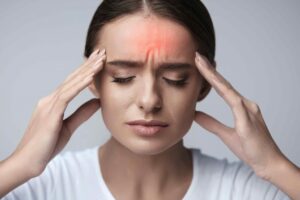
Headache is one of humanity’s most common, yet poorly understood, afflictions. Far from being a singular disorder, it is a complex neurological symptom—a language your brain and body use to signal that something is amiss. The International Classification of Headache Disorders (ICHD-3) catalogs over 150 distinct types, ranging from benign nuisances to harbingers of serious disease. Understanding the “why” behind your headache is the critical first step toward effective, personalized management. This guide explores ten of the most prevalent underlying reasons for headaches, moving beyond a simple list of triggers to explain the physiological mechanisms at play. By learning to recognize these patterns, you can move from passive suffering to empowered action.
1. The Primary Culprit: Migraine – A Brain in Hyperdrive
What it is: Migraine is not just a “bad headache.” It is a genetically influenced, neurological disorder characterized by recurrent, moderate-to-severe attacks.
The Mechanism: It involves a wave of abnormal electrical activity (cortical spreading depression) across the brain, followed by inflammation and sensitization of the trigeminovascular system—the pain pathway for the head and face. Neurotransmitters like calcitonin gene-related peptide (CGRP) are central players.
Why it Feels Like That:
Throbbing, often one-sided pain.
Sensitivity to light (photophobia), sound (phonophobia), and smell.
Nausea and vomiting.
Aura in 25% of sufferers: temporary neurological symptoms like visual disturbances (zigzag lines, blind spots), tingling, or speech difficulties.
Common Triggers: Hormonal changes (menstruation), stress (let-down after stress), certain foods (aged cheese, processed meats, MSG), skipped meals, weather changes, and poor sleep.
2. The Tension-Type Headache (TTH) – The Body’s Stress Barometer
What it is: The most common headache type, often described as a constant, band-like pressure or tightness around the head.
The Mechanism: The exact cause is debated, but it’s linked to peripheral sensitization of muscles and fascia in the head, neck, and scalp. Central pain processing pathways in the brain may also become sensitized in chronic cases.
Why it Feels Like That:
Bilateral, pressing/tightening quality (not throbbing).
Mild to moderate intensity.
Not aggravated by routine physical activity.
No nausea/vomiting (may have sensitivity to light or sound, but not both).
Common Triggers: Psychological stress, anxiety, poor posture (desk work), clenching the jaw (bruxism), eye strain, and dehydration.
3. The Cervicogenic Headache – A Pain in the Neck (Literally)
What it is: A secondary headache caused by a disorder in the cervical spine (neck) or surrounding soft tissues.
The Mechanism: Pain from structures in the upper neck—such as facet joints, discs, ligaments, or muscles—is referred to the head via the trigeminocervical nucleus, a nerve convergence center in the brainstem. It is a true “pain in the neck” that you feel in your head.
Why it Feels Like That:
Pain typically starts in the neck/occipital region and radiates to the frontotemporal area (forehead, temple, behind the eye).
Triggered or worsened by specific neck movements or sustained postures.
May be associated with reduced neck range of motion.
Common Triggers: Whiplash injury, degenerative disc disease, arthritis of the neck, poor workstation ergonomics, and muscle strain.
4. The Medication Overuse Headache (MOH) – The Rebound Trap
What it is: A vicious cycle where the frequent use of headache medication to treat headaches paradoxically causes more frequent and more severe headaches.
The Mechanism: The brain’s pain-modulating pathways become dependent on the medication. When the drug wears off, it triggers a withdrawal-like response, leading to a rebound headache, prompting more medication.
Why it Feels Like That:
Headache is present ≥15 days/month.
Often a dull, persistent, daily background ache.
Worsens in the early morning or upon medication withdrawal.
The Culprits: Overuse of acute medications like triptans, ergotamines, opioids, and especially simple analgesics (ibuprofen, acetaminophen, aspirin) or combination medications (Excedrin) when taken for ≥10-15 days per month.
5. The Dehydration Headache – A Fluid Deficit Signal
What it is: A headache caused by the body’s overall loss of fluids and electrolytes.
The Mechanism: Dehydration causes a temporary shrinkage of brain tissue, pulling it away from the skull and triggering pain receptors. It also reduces blood volume and oxygen flow to the brain, and can cause electrolyte imbalances that affect nerve function.
Why it Feels Like That:
Can resemble a tension-type headache or migraine.
Often worsens with movement, especially bending over.
Accompanied by other signs of dehydration: thirst, dark urine, fatigue, dizziness.
Common Triggers: Inadequate fluid intake, excessive sweating (exercise, heat), vomiting, diarrhea, and diuretic medications.
6. The Caffeine Headache – A Double-Edged Sword
What it is: Headaches caused by either caffeine consumption or withdrawal.
The Mechanism:
Withdrawal: Caffeine constricts blood vessels in the brain. With regular use, the brain adapts. When caffeine is absent, blood vessels dilate excessively, causing a withdrawal headache. This can occur with as little as 100mg/day (one cup of coffee) for over two weeks.
Overuse: Similar to MOH, as caffeine is a common ingredient in combination headache pills.
Why it Feels Like That:
Withdrawal Headache: Diffuse, throbbing pain that resolves rapidly with caffeine intake.
Often part of a withdrawal syndrome including fatigue, irritability, and difficulty concentrating.
7. The Sinus Headache – Often a Misnomer
What it is: A headache attributed to sinus infection (sinusitis) or inflammation, but true primary sinus headaches are rare.
The Mechanism: Inflammation and pressure in the paranasal sinuses (behind the cheeks, forehead, and eyes) can stimulate pain-sensitive structures.
Why it Feels Like That:
Deep, constant pressure and pain over the affected sinus (cheekbones, forehead, bridge of nose).
Worsens with sudden head movement or straining.
Accompanied by true sinus symptoms: thick, discolored nasal discharge, nasal congestion, fever, and reduced sense of smell.
Critical Distinction: Most self-diagnosed “sinus headaches” are actually migraines or tension-type headaches. True sinus headaches do not occur without acute, purulent sinusitis.
8. The Hormonal Headache – The Estrogen Connection
What it is: Headaches directly linked to fluctuations in reproductive hormones, primarily estrogen.
The Mechanism: Drops in estrogen levels (e.g., just before menstruation, during the placebo week of birth control, postpartum, and perimenopause) can trigger migraine attacks by affecting serotonin levels and neuronal excitability.
Why it Feels Like That:
Typically presents as menstrual migraine, which is often more severe, longer-lasting, and less responsive to treatment than non-menstrual migraines.
Occurs predictably 1-2 days before or during the first 3 days of menstruation.
9. The Sleep-Related Headache – Out of Rhythm
What it is: Headaches triggered by disruptions in sleep quantity, quality, or pattern.
10. The Secondary Headache from Underlying Illness – The Red Flags
What it is: A headache caused by an identifiable, and potentially serious, underlying condition. This is the most critical category to recognize.
The Mechanism: The headache is a symptom of another process: infection, vascular issue, intracranial pressure change, or structural problem.
Why it Feels Like That & The “Red Flags” (SNOOP4):
Systemic Symptoms: Fever, weight loss, night sweats.
Neurologic Symptoms: Confusion, weakness, numbness, visual changes, seizure.
Onset: “Thunderclap” headache (peak intensity in <60 seconds) – suggests aneurysmal subarachnoid hemorrhage.
Older: New headache in someone over 50 (concern for giant cell arteritis, tumor).
Pattern Change: A new or fundamentally different headache, or a progressively worsening headache.
Precipitated by: Headache triggered by Valsalva (coughing, sneezing, straining), suggesting possible intracranial pressure issue.
Conditions Include: Meningitis, brain tumor, intracranial hemorrhage, glaucoma, giant cell arteritis, and severe hypertension.
Conclusion: From Symptom to Strategy
Understanding the ten reasons behind your headache transforms it from an amorphous pain into a decipherable message. The key is pattern recognition: track your headaches, note associated symptoms, and identify potential triggers. For most primary headaches (migraine, TTH), a combination of lifestyle modification, trigger management, and appropriate acute/preventive medications can provide excellent control.
The imperative is this: Always respect the “red flags.” If your headache is sudden, severe, different, or accompanied by neurological symptoms, seek immediate medical attention. For chronic or recurrent headaches, partner with a healthcare provider—a primary care physician or a neurologist/headache specialist—to develop a precise diagnosis and a comprehensive, long-term management plan. Your headache is not your identity; it is a problem to be solved.
Disclaimer: This article is for informational purposes only and is not a substitute for professional medical advice, diagnosis, or treatment. Always seek the advice of your physician or other qualified health provider with any questions you may have regarding a medical condition, especially headache with “red flag” symptoms.