6 Simple, Science-Backed Tips to Reduce Your Blood Pressure Naturally
Introduction: The Silent Condition You Can Quietly Control
High blood pressure, or hypertension, is often called the “silent killer” because it damages your cardiovascular system for years without obvious symptoms. Yet, this silence is matched by quiet power: you have remarkable control over your blood pressure through daily lifestyle choices. For many people, these simple, consistent adjustments can lower numbers significantly, sometimes reducing or delaying the need for medication. This guide details six foundational, evidence-based strategies that form a powerful, natural approach to blood pressure management.
The Foundation: Understanding Your Numbers
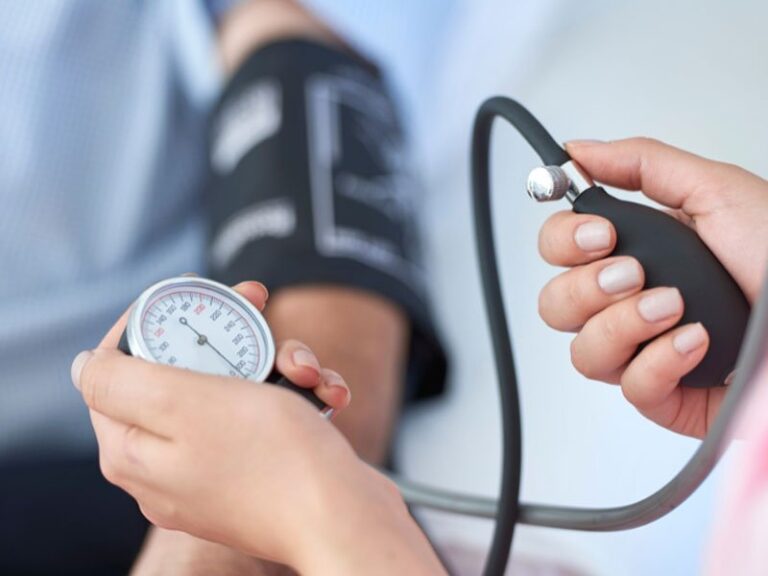
Before implementing changes, know your baseline:
Important: These tips complement medical treatment. Never stop or alter medications without consulting your doctor. Consistency is more powerful than perfection.
Tip 1: Master the Sodium-Potassium Balance
The Science:
Sodium pulls water into your bloodstream, increasing volume and pressure. Potassium relaxes blood vessel walls and helps excrete sodium. The modern diet has inverted our natural potassium-to-sodium ratio—we consume too much sodium and too little potassium.
Actionable Steps:
Reduce Sodium:
Cook at Home More: 75% of dietary sodium comes from processed/restaurant foods.
Read Labels Religiously: Aim for <600 mg sodium per meal. Watch for “hidden” sodium in bread, cereal, canned soups, sauces, and condiments.
Flavor Without Salt: Use garlic, onion, citrus juice, vinegar, herbs (basil, rosemary, thyme), spices (cumin, paprika), and salt-free blends.
Rinse Canned Goods: A 30-second rinse of beans or vegetables removes up to 40% of added sodium.
Be Restaurant Smart: Request dressings/sauces on the side, choose grilled over fried, and ask for dishes to be prepared without added salt.
Increase Potassium:
Daily Goal: 3,500–4,700 mg from food.
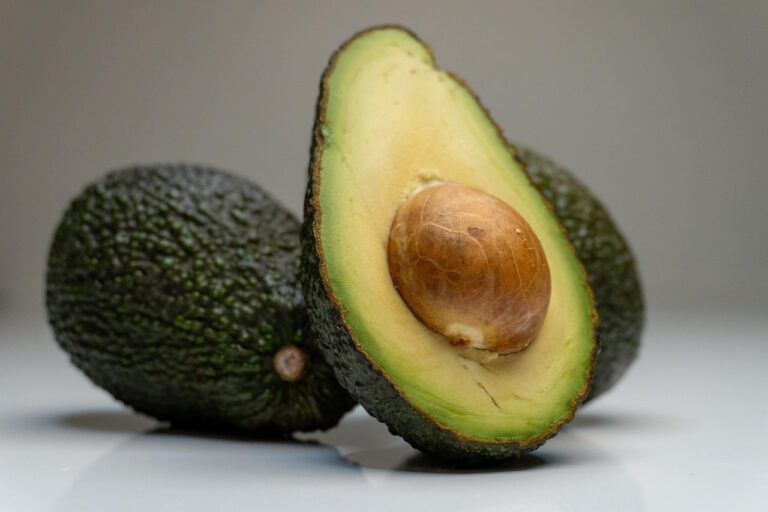
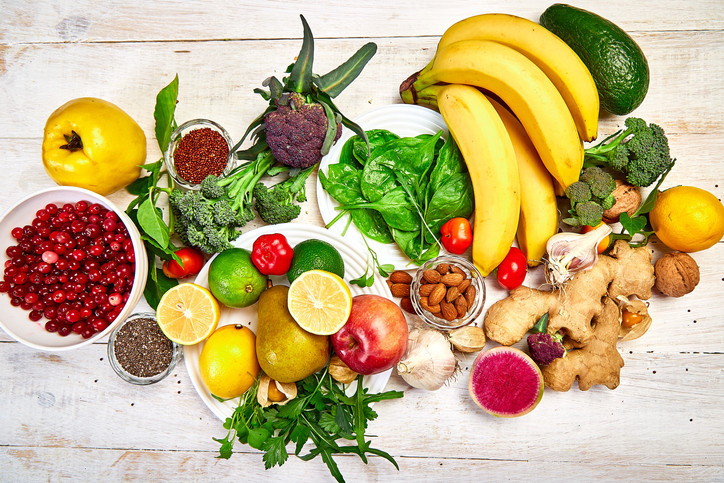
Top Sources: Sweet potatoes (1 medium: 540 mg), spinach (1 cup cooked: 840 mg), avocados (1 whole: 975 mg), bananas (1 medium: 422 mg), coconut water (1 cup: 600 mg), white beans (1 cup: 1,000 mg), salmon (3 oz: 534 mg).
Simple Swap: Replace a processed snack with a potassium-rich piece of fruit or handful of nuts.
Quick Impact:
Reducing sodium by 1,000 mg daily can lower systolic pressure by 5-6 mmHg. Adequate potassium can drop it another 4-5 mmHg.
Tip 2: Adopt the DASH Diet Principles (Even Lightly)
The Science:
The Dietary Approaches to Stop Hypertension (DASH) diet is clinically proven to lower blood pressure. It emphasizes foods rich in calcium, potassium, magnesium, fiber, and protein while limiting saturated fat and sodium.
Actionable Steps (Simplified Version):
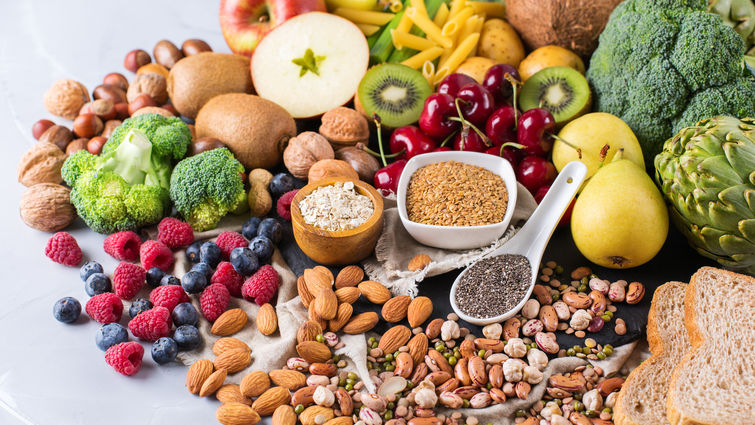
Fill Half Your Plate with Vegetables and Fruit at Every Meal. Focus on color and variety.
Choose Whole Grains: Switch to brown rice, quinoa, oats, and 100% whole-wheat bread.
Include Lean Protein: Prioritize fish (especially fatty fish like salmon twice weekly), skinless poultry, legumes, and nuts. Limit red meat.
Incorporate Low-Fat Dairy: 2-3 servings daily (e.g., yogurt, milk) for calcium and protein.
Use Healthy Fats: Avocado, olive oil, nuts, and seeds. Limit butter, margarine, and fatty meats.
Plan a Sample Day:
Breakfast: Oatmeal with berries and walnuts.
Lunch: Large salad with grilled chicken, chickpeas, and olive oil vinaigrette.
Snack: Apple with a tablespoon of almond butter.
Dinner: Baked salmon, quinoa, and steamed broccoli.
Quick Impact:
Following DASH principles can lower systolic blood pressure by 8-14 mmHg within weeks.
Tip 3: Move Consistently—Exercise is Medicine
The Science:
Regular physical activity makes your heart stronger. A stronger heart can pump more blood with less effort, decreasing the force on your arteries. Exercise also helps manage stress and weight, two other key contributors.
Actionable Steps:
Find Your “Moderate” Intensity: You should be able to talk but not sing. Brisk walking, cycling, swimming, and dancing are perfect.
Follow the 150-Minute Rule: Aim for at least 150 minutes per week of moderate aerobic activity. That’s just 30 minutes, 5 days a week.
Break It Up: Three 10-minute walks are nearly as effective as one 30-minute session.
Add Strength Training: Include muscle-strengthening activities (weights, resistance bands, bodyweight exercises) at least 2 days per week. Building muscle improves metabolic health.
Incorporate NEAT: Increase Non-Exercise Activity Thermogenesis—take the stairs, park farther away, walk during phone calls, do light yard work.
Start Slow: If new to exercise, begin with 10-15 minute sessions and gradually increase.
Quick Impact:
Regular aerobic exercise can lower systolic pressure by 5-8 mmHg. Benefits begin immediately and are most noticeable about one to three months into a consistent routine.
Tip 4: Manage Stress with Intention
The Science:
Chronic stress keeps your body in a constant “fight-or-flight” mode, elevating hormones like cortisol and adrenaline that increase heart rate and constrict blood vessels.
Actionable Steps (Find What Works for You):
Practice Deep Breathing: The 4-7-8 technique (inhale 4 sec, hold 7 sec, exhale 8 sec) for 5 minutes daily activates the parasympathetic nervous system, promoting relaxation.
Try Mindfulness or Meditation: Even 10 minutes daily using an app like Calm or Headspace can reduce stress reactivity.
Connect with Nature: “Forest bathing” or a simple 20-minute walk in a park lowers cortisol levels.
Schedule Worry Time: Designate 15 minutes to write down worries, then mentally “close the book” on them until the next day.
Engage in Enjoyable Hobbies: Gardening, knitting, playing music, or crafting provide a mental break.
Improve Sleep Hygiene: Stress and poor sleep create a vicious cycle. Aim for 7-9 hours of quality sleep.
Quick Impact:
Consistent stress management can lower systolic pressure by 4-5 mmHg and protects against stress-induced spikes.
Tip 5: Limit Alcohol and Eliminate Smoking
The Science:
Alcohol: In small amounts, it may relax blood vessels. But beyond moderation, it becomes a vasoconstrictor, raises heart rate, and contributes to weight gain.
Smoking/Nicotine: Each cigarette causes an immediate, temporary spike in blood pressure. The chemicals in tobacco damage artery linings, causing inflammation and narrowing.
Actionable Steps:
For Alcohol:
Follow Strict Limits: Men: ≤2 drinks/day. Women: ≤1 drink/day. (1 drink = 12 oz beer, 5 oz wine, 1.5 oz spirits).
Have “Dry” Days: Commit to several alcohol-free days each week.
Dilute and Pace: Opt for a spritzer (wine with sparkling water), and drink a glass of water between alcoholic beverages.
For Smoking:
Seek Help: Quitting is difficult. Use combination support: counseling (call 1-800-QUIT-NOW) + nicotine replacement therapy (patch, gum) or prescription medications.
Avoid Triggers: Change routines associated with smoking. Clean your car and home to remove the smell.
Remember the 20-Minute Rule: Blood pressure and pulse start to normalize just 20 minutes after your last cigarette.
Quick Impact:
Staying within alcohol limits can lower systolic pressure by 2-4 mmHg. Quitting smoking reduces cardiovascular risk dramatically, with blood pressure benefits beginning immediately.
Tip 6: Achieve and Maintain a Healthy Weight
The Science:
Excess weight, especially around the abdomen, forces your heart to work harder to pump blood throughout your body. Fat tissue also releases inflammatory hormones that stiffen arteries.
Actionable Steps:
Focus on Waist Circumference: A goal of <40 inches for men and <35 inches for women is as important as the number on the scale.
Lose Gradually: Aim for 1-2 pounds per week. Slow, steady loss is more sustainable and gives your body time to adjust.
Prioritize Protein and Fiber: They promote satiety, making it easier to maintain a calorie deficit without feeling hungry. Include them at every meal.
Practice Mindful Eating: Eat without screens, chew thoroughly, and stop at 80% full.
Weigh Weekly: Regular monitoring helps catch small gains before they become large ones.
Quick Impact:
Losing just 5-10% of your body weight (10-20 lbs if you weigh 200 lbs) can lower systolic blood pressure by 5 mmHg or more. For every 2.2 lbs lost, systolic pressure drops by approximately 1 mmHg.
Putting It All Together: The Synergy Effect
The true power lies in combining these tips. While each strategy works independently, their effects are additive and synergistic.
Example of Combined Impact:
If you reduce sodium and increase potassium and walk 30 minutes daily and manage stress, you could potentially lower your systolic blood pressure by:
5 (Na/K) + 7 (Exercise) + 4 (Stress) = 16 mmHg
That could move someone from Stage 1 Hypertension (135 mmHg) back into the Elevated range (119 mmHg)—a monumental shift in health risk.
7-Day Kickstart Plan:
Days 1-2: Focus on food. Cook two meals at home, adding extra vegetables and using herbs instead of salt.
Days 3-4: Add movement. Take a 15-minute brisk walk after lunch or dinner.
Days 5-6: Practice stress management. Try 5 minutes of deep breathing before bed.
Day 7: Reflect and plan. Which changes felt easiest? Build on those for the coming week.
When to See Your Doctor
While lifestyle changes are powerful, they are part of a complete management plan:
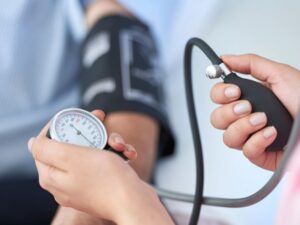
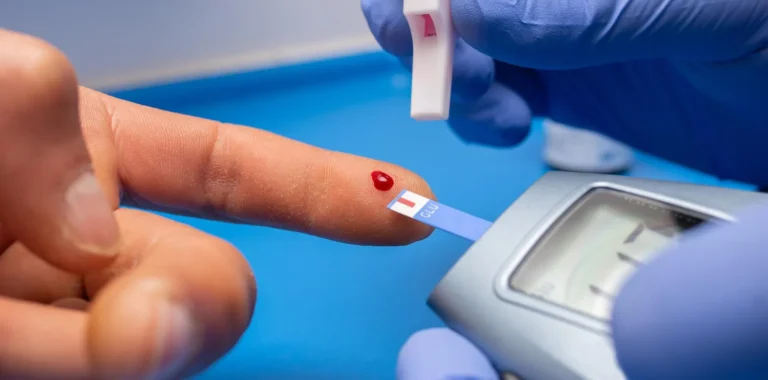
Monitor at home: Use a validated, arm-cuff monitor. Check at the same times daily (morning and evening, before medication/food).
Keep a log: Share your BP and lifestyle logs with your doctor.
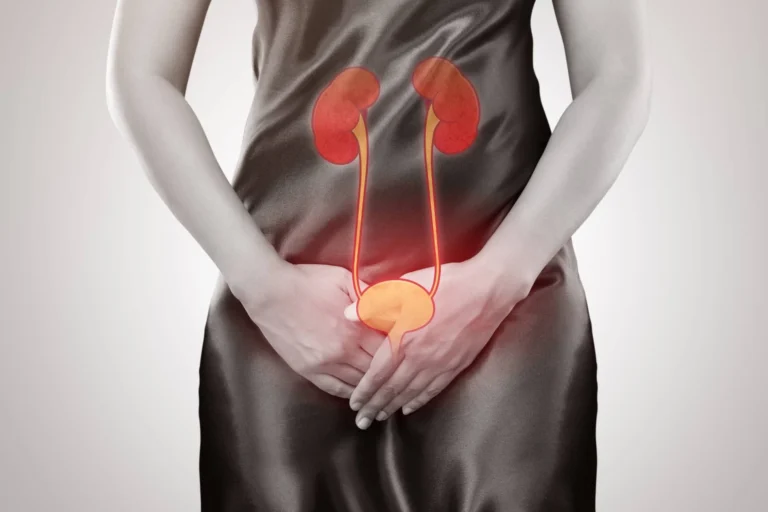
Medication is not failure: For many, lifestyle changes and medication are the optimal strategy to prevent heart attack, stroke, and kidney damage.
Conclusion: Your Daily Choices, Your Lasting Health
Reducing blood pressure isn’t about a radical overnight overhaul. It’s about the cumulative power of consistent, simple choices: choosing an apple over chips, taking the stairs, breathing deeply during a stressful moment, and enjoying a home-cooked meal. Each positive decision is a brick in the foundation of your cardiovascular health.
Start with one tip that feels most achievable. Master it, then add another. This gradual, layered approach builds sustainable habits that don’t just lower your blood pressure numbers—they enhance your energy, mood, and overall vitality for years to come. Your heart is your most loyal muscle; these six tips are how you can return the favor.