7 Foods to Fight Cancer: A Science-Based Guide to Nutritional Defense
Introduction: The Plate as a Preventative Tool
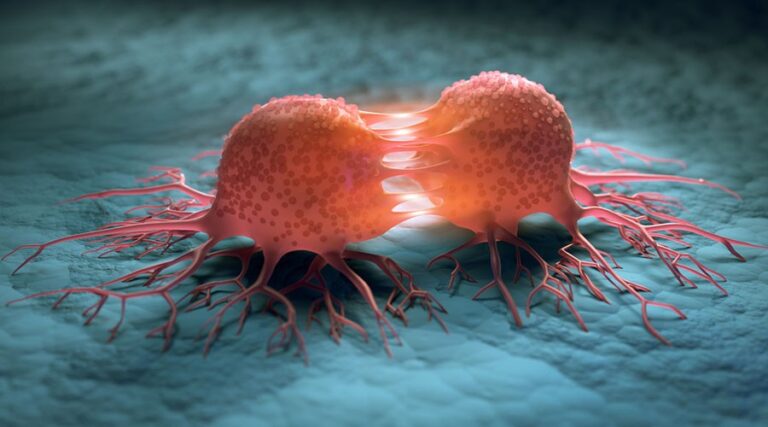
In the complex battle against cancer, nutrition is one of the most powerful and accessible weapons in our arsenal. While no single food can prevent or cure cancer, a consistent pattern of eating rich in specific, scientifically-studied compounds can create a biochemical environment in the body that is hostile to cancer development and progression. This approach is not about miracle cures or restrictive “cancer diets,” but about leveraging everyday foods to reduce inflammation, protect DNA, inhibit tumor blood supply, and even promote the death of damaged cells—a process known as apoptosis.
This guide details seven of the most potent, evidence-backed cancer-fighting foods, explaining the specific compounds they contain and the mechanisms by which they act. The goal is to empower you to build a diet that supports your body’s intrinsic defense systems.
1. Cruciferous Vegetables: The Cellular Detoxifiers
Examples: Broccoli, cauliflower, Brussels sprouts, kale, cabbage, bok choy, arugula.
Key Compound: Sulforaphane (particularly abundant in broccoli sprouts), along with other glucosinolates and indole-3-carbinol.
How They Fight Cancer:
Enhance Detoxification: They activate Phase II detoxification enzymes in the liver, helping to neutralize and eliminate potential carcinogens from the body.
Induce Apoptosis: Sulforaphane has been shown to promote programmed cell death in cancer cells while sparing healthy cells.
Anti-Angiogenesis: They may inhibit the formation of new blood vessels that tumors need to grow (angiogenesis).
Maximize Benefit: Chop or chew raw broccoli/broccoli sprouts, then let them sit for 30-40 minutes before cooking. This allows the enzyme myrosinase to convert glucoraphanin into the active sulforaphane. Light steaming (under 5 minutes) is better than boiling, which leaches compounds into the water.
2. Berries: The Antioxidant Powerhouses
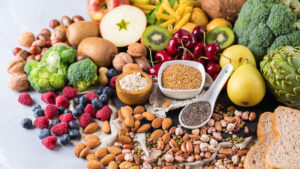
Examples: Blueberries, strawberries, raspberries, blackberries, cranberries.
Key Compounds: Anthocyanins (blue/purple/red pigments) and ellagic acid, along with high levels of vitamin C and fiber.
How They Fight Cancer:
Combat Oxidative Stress: Their high antioxidant capacity neutralizes free radicals—unstable molecules that can damage DNA and initiate cancer.
Reduce Inflammation: Chronic inflammation is a known driver of cancer. Berry compounds inhibit pro-inflammatory pathways.
Slow Cancer Cell Growth: Ellagic acid and other polyphenols have been shown in lab studies to slow the proliferation of cancer cells and stimulate apoptosis.
Maximize Benefit: Eat a variety of colors (different berries have different phytochemical profiles). Choose frozen berries when fresh are out of season; they are flash-frozen at peak ripeness and retain their nutrients.
3. Allium Vegetables: The Immune Modulators
Examples: Garlic, onions, leeks, shallots, chives.
Key Compound: Allicin (which gives garlic its pungent smell), along with organosulfur compounds.
How They Fight Cancer:
Block Carcinogen Formation: These compounds can inhibit the formation of nitrosamines—carcinogens formed in the stomach and intestines.
Enhance DNA Repair: They support enzymes that repair damaged DNA before it can lead to cancerous mutations.
Anti-Proliferative Effects: Studies, particularly on gastric and colorectal cancers, have shown an association between high allium vegetable consumption and reduced risk.
Maximize Benefit: Crush or chop garlic and let it sit for 10 minutes before cooking. This activates the alliinase enzyme, which converts alliin into the bioactive allicin.
4. Tomatoes: The Hormonal Balancers
Examples: Cooked tomatoes, tomato sauce, tomato paste, sun-dried tomatoes.
Key Compound: Lycopene, a potent carotenoid antioxidant that gives tomatoes their red color.
How They Fight Cancer: Lycopene is particularly studied for its role in prostate cancer prevention.
Antioxidant & Anti-Inflammatory: Protects cell membranes and DNA from oxidative damage.
Regulates Cell Growth: May interfere with growth factor signaling that drives cancer cell proliferation.
Synergistic Effect: Cooking tomatoes with a little healthy fat (like olive oil) dramatically increases the bioavailability of lycopene, allowing your body to absorb more.
5. Leafy Green Vegetables: The Folate Providers
Examples: Spinach, Swiss chard, romaine lettuce, collard greens, mustard greens.
Key Compounds: Folate (a B-vitamin), lutein, zeaxanthin, beta-carotene, and fiber.
How They Fight Cancer:
DNA Synthesis and Repair: Folate is essential for proper DNA synthesis and repair. A deficiency can lead to DNA damage that may promote cancer.
Detoxification Support: Chlorophyll, the green pigment, may bind to potential carcinogens, inhibiting their absorption.
Broad Nutrient Density: They provide a wide array of vitamins, minerals, and antioxidants that support overall cellular health and immune function.
6. Turmeric (Curcumin): The Anti-Inflammatory Spice
Primary Form: The golden-yellow spice, with its active compound curcumin.
How It Fights Cancer: Curcumin is one of the most intensely studied natural anti-cancer compounds.
Master Inflammation Regulator: It downregulates NF-kB, a key protein complex that turns on genes for inflammation and cell survival, which are often hijacked by cancer cells.
Inhibits Multiple Pathways: It interferes with cancer cell growth, invasion, and metastasis at multiple molecular levels.
Synergistic with Treatment: Some research suggests it may enhance the effects of certain chemotherapy drugs while protecting healthy cells.
Maximize Benefit: Always pair turmeric with black pepper. Piperine, a compound in black pepper, increases the bioavailability of curcumin by up to 2000%. Consume it with a healthy fat (like in curry with coconut milk) for better absorption.
7. Legumes (Beans & Lentils): The Fiber and Phytochemical Duo
Examples: Black beans, kidney beans, chickpeas (garbanzo beans), lentils, peas.
The Foundational Principle: Synergy and Pattern
The true power of these foods lies not in isolation, but in their synergy and within the context of an overall dietary pattern.
The “Food Matrix”: The combination of fiber, vitamins, minerals, and thousands of phytochemicals in whole foods works together in ways that isolated supplements cannot replicate.
The Overall Dietary Pattern: These foods are cornerstones of recognized cancer-protective diets, such as:
The Mediterranean Diet: Rich in vegetables, fruits, legumes, whole grains, olive oil, and fish.
Plant-Based/Plant-Forward Diets: Emphasizing whole, minimally processed plant foods.
What to Limit: A cancer-protective diet is also defined by what it minimizes: processed and red meats, sugar-sweetened beverages, ultra-processed foods, and refined carbohydrates.
Conclusion: Empowerment on Your Plate
Fighting cancer with food is an act of daily, proactive empowerment. It shifts the focus from fear to nourishment. By consistently incorporating these seven food groups—cruciferous vegetables, berries, alliums, tomatoes, leafy greens, turmeric, and legumes—you are not guaranteeing immunity, but you are actively stacking the odds in your body’s favor. You are providing the raw materials for cellular repair, creating an internal environment less conducive to cancer growth, and supporting your overall vitality. Let your plate be colorful, diverse, and whole-food based. It is one of the most profound and positive steps you can take for long-term health.
Important Disclaimers:
This information is for educational and preventive purposes only. It is not a treatment plan for those diagnosed with cancer.
Always consult with your oncologist or a registered dietitian specializing in oncology before making significant dietary changes, especially during active treatment, as some foods (like grapefruit) can interfere with chemotherapy.
Do not replace conventional cancer treatment with dietary approaches. Nutrition is a vital complementary strategy, not an alternative.
The Final Word: Think of these foods as part of your lifelong health defense system, nourishing you one meal at a time.