Addictive Behaviors
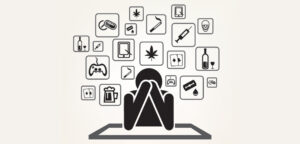
Addictive behaviors are complex patterns of behavior characterized by a persistent and intense urge to engage in certain activities, despite harmful consequences. These behaviors can involve substances like drugs and alcohol, or non-substance-related activities like gambling, gaming, or even social media use. Here’s a detailed look at addictive behaviors:
Understanding Addictive Behaviors:
- The Brain’s Role:
- Addiction fundamentally alters the brain’s reward system. Activities that trigger the release of dopamine, a neurotransmitter associated with pleasure, can become highly reinforcing.
- Over time, the brain adapts to these repeated surges of dopamine, requiring increasingly intense stimuli to achieve the same level of satisfaction. This leads to tolerance and dependence.
- Changes occur in brain areas that control judgement, decision making, and self control.
- Key Characteristics:
- Compulsion: A strong, uncontrollable urge to engage in the behavior.
- Loss of control: Difficulty limiting or stopping the behavior.
- Continued use despite harm: Persisting in the behavior despite negative consequences.
- Tolerance: Needing increasing amounts or intensity to achieve the desired effect.
- Withdrawal: Experiencing unpleasant physical or emotional symptoms when the behavior is reduced or stopped.
- Preoccupation: Spending excessive time thinking about or planning the behavior.
Types of Addictive Behaviors:
- Substance-Related Addictions:
- Alcohol
- Nicotine
- Opioids
- Stimulants (e.g., cocaine, methamphetamine)
- Cannabis
- Behavioral Addictions:
- Gambling
- Gaming
- Internet and social media use
- Shopping
- Eating disorders
- Sex addiction
- Work addiction
Factors Contributing to Addictive Behaviors:
- Genetic Predisposition: Some individuals may have a genetic vulnerability to addiction.
- Environmental Factors:
- Exposure to substance use or addictive behaviors in the family or peer group.
- Stressful life events.
- Lack of social support.
- Easy access to addictive substances or activities.
- Psychological Factors:
- Mental health disorders (e.g., depression, anxiety, PTSD).
- Low self-esteem.
- Difficulty coping with emotions.
- Impulsivity.
Consequences of Addictive Behaviors:
- Physical Health Problems: Organ damage, cardiovascular disease, respiratory problems, and other health complications.
- Mental Health Problems: Depression, anxiety, psychosis, and increased risk of suicide.
- Social Problems: Relationship difficulties, job loss, financial problems, and social isolation.
- Legal Problems: Arrests, imprisonment, and other legal consequences.
Treatment and Prevention:
- Treatment:
- Therapy (e.g., cognitive behavioral therapy, motivational interviewing).
- Medication (for substance-related addictions).
- Support groups (e.g., Alcoholics Anonymous, Narcotics Anonymous).
- Rehabilitation programs.
- Prevention:
- Education about the risks of addictive behaviors.
- Promoting healthy coping mechanisms.
- Strengthening social support networks.
- Early intervention for individuals at risk.
It’s important to recognize that addictive behaviors are a serious health issue. With appropriate treatment and support, individuals can overcome addiction and lead healthy, fulfilling lives.