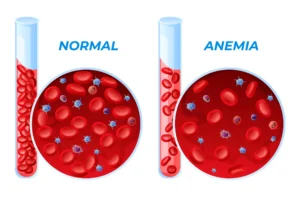
Anemia, a condition characterized by a deficiency of red blood cells or hemoglobin in the blood, leads to reduced oxygen transport throughout the body. This results in various symptoms, ranging from mild fatigue to severe complications. Understanding the different types, causes, symptoms, and treatments of anemia is crucial for effective management.
The Role of Red Blood Cells and Hemoglobin:
Red blood cells contain hemoglobin, a protein that binds to oxygen in the lungs and carries it to tissues throughout the body.
When red blood cell count or hemoglobin levels are low, tissues and organs don’t receive enough oxygen, leading to the symptoms of anemia.
Types of Anemia:
Anemia can be categorized based on its underlying cause:
- Iron-Deficiency Anemia:
- The most common type, caused by a lack of iron, essential for hemoglobin production.
- Common causes include blood loss (e.g., heavy menstruation, gastrointestinal bleeding), inadequate iron intake, and impaired iron absorption.
- Vitamin-Deficiency Anemia:
- Caused by deficiencies in vitamin B12 or folate, both crucial for red blood cell production.
- Pernicious anemia, an autoimmune condition, impairs vitamin B12 absorption.
- Aplastic Anemia:
- A rare and serious condition where the bone marrow fails to produce enough blood cells.
- Can be caused by infections, autoimmune diseases, exposure to toxic chemicals, or certain medications.
- Hemolytic Anemias:
- Occur when red blood cells are destroyed faster than the bone marrow can replace them.
- Can be inherited (e.g., sickle cell anemia, thalassemia) or acquired (e.g., autoimmune hemolytic anemia).
- Sickle Cell Anemia:
- An inherited disorder causing red blood cells to become sickle-shaped, leading to blockages in blood flow and severe pain.
- Thalassemia:
- An inherited blood disorder causing the body to produce abnormal hemoglobin.
- This condition results in the destruction of large numbers of red blood cells.
- Anemia of Chronic Disease:
- Associated with chronic inflammatory conditions, such as kidney disease, cancer, and rheumatoid arthritis.
- These conditions can interfere with red blood cell production.
Causes of Anemia:
- Blood Loss:
- Heavy menstruation.
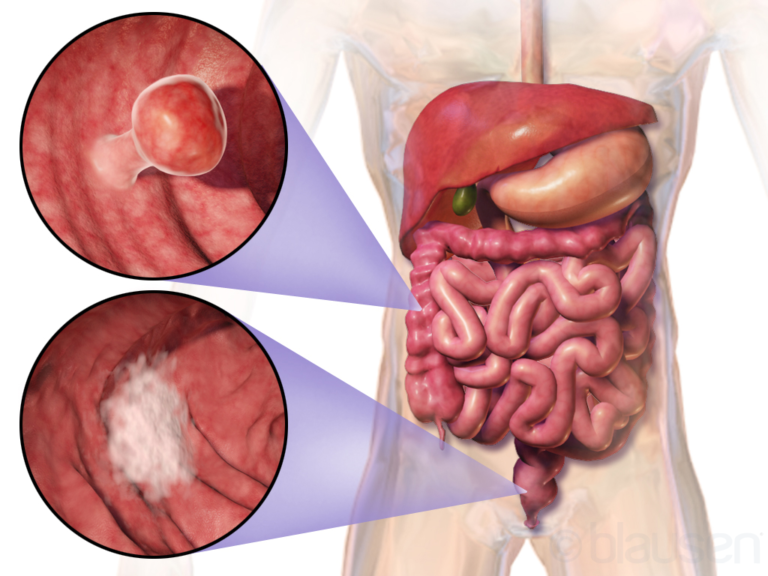
- Gastrointestinal bleeding (e.g., ulcers, polyps, cancer).
- Trauma or surgery.
- Decreased Red Blood Cell Production:
- Iron deficiency.
- Vitamin B12 or folate deficiency.
- Bone marrow disorders.
- Chronic diseases.
- Increased Red Blood Cell Destruction:
- Inherited hemolytic anemias.
- Acquired hemolytic anemias.
Symptoms of Anemia:
Symptoms vary depending on the severity and type of anemia, but common signs include:
- Fatigue and weakness.
- Pale skin.
- Shortness of breath.
- Dizziness or lightheadedness.
- Headaches.
- Cold hands and feet.
- Chest pain.
- Rapid or irregular heartbeat.
Diagnosis of Anemia:
Diagnosis typically involves:
- Complete Blood Count (CBC): Measures red blood cell count, hemoglobin, and hematocrit levels.
- Peripheral Blood Smear: Examines the size, shape, and number of red blood cells.
- Iron Studies: Measures iron levels in the blood.
- Vitamin B12 and Folate Levels: Assesses vitamin deficiencies.
- Bone Marrow Biopsy: May be necessary in cases of aplastic anemia or other bone marrow disorders.
- Genetic testing, to identify inherited anemias.
Treatment of Anemia:
Treatment depends on the underlying cause and severity of anemia:
- Iron-Deficiency Anemia:
- Iron supplements.
- Dietary changes to increase iron intake.
- Vitamin-Deficiency Anemia:
- Vitamin B12 or folate supplements.
- Vitamin B12 injections for pernicious anemia.
- Aplastic Anemia:
- Blood transfusions.
- Medications to stimulate bone marrow production.
-
- Bone marrow transplantation.
- Hemolytic Anemias:
- Medications to suppress the immune system.
- Blood transfusions.
- Splenectomy (removal of the spleen).
- Sickle Cell Anemia:
- Pain management.
- Blood transfusions.
- Medications to stimulate fetal hemoglobin production.
- Bone marrow transplant.
- Thalassemia:
- Blood transfusions.
- Chelation therapy (to remove excess iron).
- Bone marrow transplant.
- Anemia of Chronic Disease:
- Treatment of the underlying chronic disease.
- Erythropoiesis-stimulating agents (ESAs) in some cases.
Prevention:
- Iron-Rich Diet: Consuming foods rich in iron, such as red meat, leafy greens, and fortified cereals.
- Vitamin-Rich Diet: Ensuring adequate intake of vitamin B12 and folate through diet or supplements.
- Regular Checkups: Early detection and treatment of underlying conditions.
Anemia is a common but treatable condition. Early diagnosis and appropriate management can significantly improve quality of life and prevent serious complication