Cholera
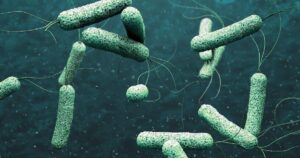 Cholera is an acute diarrheal infection caused by the bacterium Vibrio cholerae. It’s a disease of poverty and unsanitary conditions, primarily spread through contaminated water and food. While treatable, cholera can cause rapid dehydration and death if left untreated, particularly in vulnerable populations. Understanding its causes, symptoms, transmission, treatment, and prevention is crucial for controlling outbreaks and saving lives.
The Causative Agent and Pathogenesis:
- Vibrio cholerae: This bacterium produces a potent enterotoxin that disrupts the normal function of the intestinal lining.
- Pathogenesis:
- When ingested, V. cholerae colonizes the small intestine.
- The cholera toxin triggers the release of large amounts of electrolytes and water into the intestinal lumen.
- This leads to profuse watery diarrhea, the hallmark symptom of cholera.
- Severe dehydration and electrolyte imbalances can quickly develop, leading to shock and death.
Transmission:
Cholera is primarily transmitted through the fecal-oral route, meaning the ingestion of contaminated water or food. Common modes of transmission include:
- Contaminated water: Drinking water contaminated with the feces of an infected person.
- Contaminated food: Eating food contaminated with V. cholerae, often due to poor hygiene during preparation or handling.
- Raw or undercooked seafood: Especially shellfish from contaminated waters.
- Person-to-person transmission: while less common, it can occur through direct contact with the feces of an infected person. It is importnat to note that casual contact with someone that has cholera, is unlikely to cause a person to contract cholera.
Symptoms:
Cholera symptoms can range from mild to severe.
- Mild to moderate cases: Watery diarrhea, sometimes accompanied by vomiting.
- Severe cases:
- Profuse, watery diarrhea (often described as “rice-water stool”).
- Rapid dehydration.
- Vomiting.
- Muscle cramps.
- Shock.
- In severe cases, death can occur within hours if left untreated.
Diagnosis:
Cholera is diagnosed through:
- Stool culture: Identifying V. cholerae in a stool sample.
- Rapid diagnostic tests (RDTs): These tests can provide quick results, especially during outbreaks.
Treatment:
Prompt and effective treatment is essential for cholera.
- Rehydration: Oral rehydration salts (ORS) are the cornerstone of treatment. In severe cases, intravenous fluids may be necessary.
- Antibiotics: Antibiotics can shorten the duration of illness and reduce the severity of symptoms. However, rehydration remains the priority.
- Zinc supplementation: This can help reduce the duration and severity of diarrhea in children.
Prevention:
Preventing cholera involves improving sanitation and hygiene practices. Key preventive measures include:
- Safe water:
- Boiling water.Chlorinating water.
- Using safe water storage practices.
- Sanitation:
- Proper disposal of feces.
- Maintaining clean latrines.
- Handwashing with soap and water, especially after using the toilet and before preparing food.
- Food safety:
- Thoroughly cooking food.
- Avoiding raw or undercooked seafood.
- Washing fruits and vegetables.
- Oral cholera vaccines (OCVs): These vaccines can provide protection against cholera, particularly during outbreaks.
- Public health education: Informing communities about the risks of cholera and how to prevent it.
Global Impact and Outbreaks:
Cholera remains a major public health problem in many parts of the world, particularly in areas with poor sanitation and limited access to clean water. Outbreaks often occur after natural disasters or in regions experiencing conflict.
Key Public Health measures:
- Rapid response to outbreaks.
- Improved sanitation and access to clean water.
- Vaccination campaigns.
- Public Health education.
Cholera is a preventable and treatable disease. By implementing effective sanitation and hygiene practices, promoting vaccination, and ensuring access to timely treatment, we can significantly reduce the burden of this disease and save lives.