Chronic Respiratory Diseases
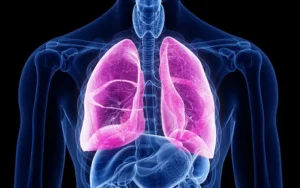 Chronic respiratory diseases (CRDs) are a group of conditions affecting the lungs and airways, leading to persistent respiratory symptoms and limitations in airflow. These diseases are a major cause of morbidity and mortality worldwide, impacting quality of life and placing a substantial burden on healthcare systems. Understanding the various types, causes, symptoms, and management strategies is crucial for improving patient outcomes.
Types of Chronic Respiratory Diseases:
CRDs encompass a wide range of conditions, including:
- Chronic Obstructive Pulmonary Disease (COPD):
- A progressive disease characterized by airflow limitation and lung tissue damage.
- Emphysema and chronic bronchitis are the two main components of COPD.
- Smoking is the primary risk factor.
- A progressive disease characterized by airflow limitation and lung tissue damage.
- Asthma:
- A chronic inflammatory disease of the airways, causing recurrent episodes of wheezing, shortness of breath, chest tightness, and coughing.
- Triggers include allergens, irritants, and respiratory infections.
- A chronic inflammatory disease of the airways, causing recurrent episodes of wheezing, shortness of breath, chest tightness, and coughing.
- Pulmonary Fibrosis:
- A condition characterized by scarring of the lung tissue, making it difficult to breathe.
- Idiopathic pulmonary fibrosis (IPF) is the most common type, with an unknown cause.
- A condition characterized by scarring of the lung tissue, making it difficult to breathe.
- Bronchiectasis:
- A condition in which the bronchial tubes are permanently damaged and widened, leading to mucus buildup and increased risk of infection.
- Causes include previous lung infections, genetic disorders, and immune system problems.
- A condition in which the bronchial tubes are permanently damaged and widened, leading to mucus buildup and increased risk of infection.
- Cystic Fibrosis (CF):
- An inherited genetic disorder that causes thick mucus to build up in the lungs, pancreas, and other organs.
- Leads to recurrent lung infections and progressive lung damage.
- An inherited genetic disorder that causes thick mucus to build up in the lungs, pancreas, and other organs.
- Pulmonary Hypertension:
- High blood pressure in the arteries of the lungs.
- Can lead to heart failure.
- High blood pressure in the arteries of the lungs.
- Occupational Lung Diseases:
- Lung conditions caused by inhaling dusts, chemicals, or other irritants in the workplace (e.g., asbestosis, silicosis).
- Lung conditions caused by inhaling dusts, chemicals, or other irritants in the workplace (e.g., asbestosis, silicosis).
Causes and Risk Factors:
Several factors can contribute to the development of CRDs:
- Smoking: The leading cause of COPD and a significant risk factor for other CRDs.
- Air Pollution: Exposure to indoor and outdoor air pollutants can irritate and damage the lungs.
- Occupational Exposures: Inhaling dusts, chemicals, and fumes in the workplace.
- Genetic Factors: Some CRDs, such as cystic fibrosis and alpha-1-antitrypsin deficiency, are inherited.
- Respiratory Infections: Frequent or severe respiratory infections, especially in childhood, can increase the risk of CRDs.
- Allergies: Allergens can trigger asthma attacks and contribute to airway inflammation.
- Aging: Lung function naturally declines with age, increasing susceptibility to CRDs.
Symptoms:
Common symptoms of CRDs include:
- Chronic cough, with or without mucus production.
- Shortness of breath (dyspnea), especially during exertion.
- Wheezing.
- Chest tightness.
- Frequent respiratory infections.
- Fatigue.
Diagnosis:
Diagnosing CRDs involves:
- Pulmonary Function Tests (PFTs): Measure lung volume and airflow.
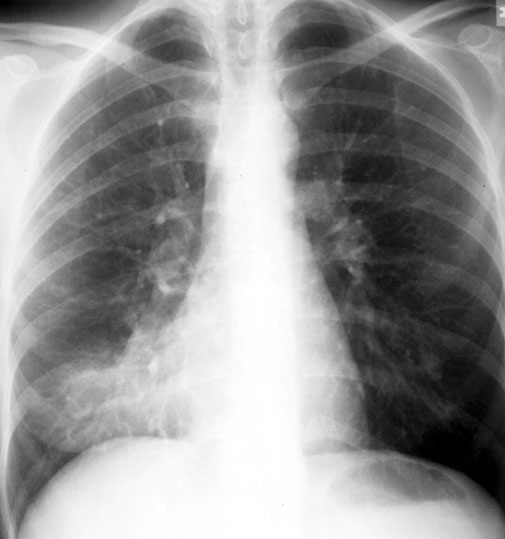
- Chest X-rays and CT Scans: Provide images of the lungs and airways.
- Arterial Blood Gas Analysis: Measures oxygen and carbon dioxide levels in the blood.
- Bronchoscopy: A procedure to examine the airways with a flexible tube.
- Sputum Tests: To identify infections.
- Genetic testing, to identify inherited disorders.
Management and Treatment:
There is no cure for most CRDs, but treatments can help manage symptoms, slow disease progression, and improve quality of life:
- Medications:
- Bronchodilators: To relax the muscles around the airways.
- Inhaled corticosteroids: To reduce airway inflammation.
- Antibiotics: To treat infections.
- Oxygen therapy: To supplement oxygen levels.
- Pulmonary hypertension medications.
- Bronchodilators: To relax the muscles around the airways.
- Pulmonary Rehabilitation:
- A program of exercise, education, and support to improve lung function and quality of life.
- A program of exercise, education, and support to improve lung function and quality of life.
- Lifestyle Modifications:
- Smoking cessation.
- Avoiding air pollution and occupational exposures.
- Maintaining a healthy weight.
- Regular exercise.
- Proper nutrition.
- Smoking cessation.
- Oxygen Therapy:
- Supplemental oxygen for those with low blood oxygen levels.
- Supplemental oxygen for those with low blood oxygen levels.
- Lung Transplantation:
- In severe cases of certain CRDs.
- Vaccinations:
- Flu and pneumonia vaccines.
- Flu and pneumonia vaccines.
Prevention:
Preventing CRDs involves:
- Smoking Cessation: The most effective way to prevent COPD.
- Avoiding Air Pollution: Minimizing exposure to indoor and outdoor air pollutants.
- Occupational Safety: Implementing measures to protect workers from hazardous exposures.
- Vaccinations: Preventing respiratory infections.
- Early diagnosis and treatment of respiratory infections.
Chronic respiratory diseases pose a significant health challenge, but with appropriate management and preventive measures, individuals can maintain a better quality of life.