Contraception
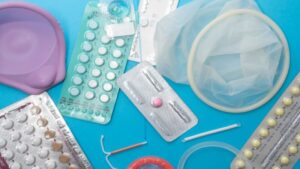 Contraception, or birth control, encompasses a variety of methods used to prevent pregnancy. It plays a crucial role in reproductive health, empowering individuals and couples to make informed choices about family planning. Understanding the different types, their effectiveness, benefits, and potential side effects is essential for choosing the most suitable method.
Types of Contraception:
Contraceptive methods can be broadly categorized as follows:
- Hormonal Methods:
- Combined Oral Contraceptive Pills (COCPs): Contain both estrogen and progestin, preventing ovulation.
- Progestin-Only Pills (POPs): Contain progestin only, thickening cervical mucus and sometimes suppressing ovulation.
- Contraceptive Patch: Releases hormones through the skin.
- Vaginal Ring: A flexible ring inserted into the vagina that releases hormones.
- Contraceptive Injection (Depo-Provera): An injection of progestin that provides long-term contraception.
- Hormonal Implants (Nexplanon): A small rod inserted under the skin that releases progestin.
- Hormonal Intrauterine Devices (IUDs): Release progestin into the uterus, thickening cervical mucus and sometimes suppressing ovulation.
- Barrier Methods:
- Condoms (Male and Female): Physical barriers that prevent sperm from entering the vagina.
- Diaphragm: A dome-shaped cup inserted into the vagina to cover the cervix.
- Cervical Cap: A smaller cup that fits over the cervix.
- Sponge: A foam sponge containing spermicide, inserted into the vagina.
- Intrauterine Devices (IUDs):
- Copper IUD: A non-hormonal IUD that creates an environment hostile to sperm.
- Fertility Awareness Methods (FAMs):
- Methods that involve tracking a woman’s menstrual cycle to identify fertile days and avoid intercourse during those times.
- Includes basal body temperature tracking, cervical mucus monitoring, and calendar methods.
- Sterilization:
- Tubal Ligation (Female): A surgical procedure that blocks the fallopian tubes.
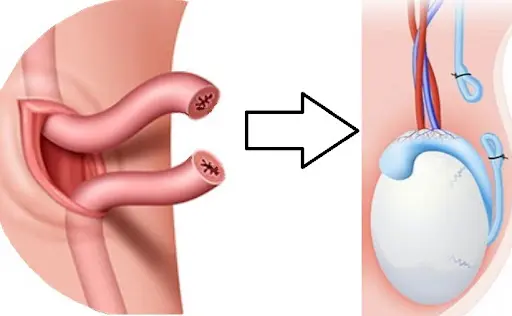
- Vasectomy (Male): A surgical procedure that blocks the vas deferens.
- Emergency Contraception:
- Emergency Contraceptive Pills (ECPs): High doses of hormones taken after unprotected intercourse to prevent pregnancy.
- Copper IUD Insertion: Can be inserted up to five days after unprotected intercourse.
Effectiveness:
The effectiveness of contraceptive methods is often described using two measures:
- Perfect Use: The effectiveness when the method is used consistently and correctly.
- Typical Use: The effectiveness in real-world settings, where errors and inconsistencies may occur.
Generally, hormonal methods and IUDs have the highest effectiveness rates, followed by barrier methods, and then fertility awareness methods. Sterilization is intended to be permanent.
Benefits of Contraception:
- Pregnancy Prevention: The primary benefit.
- Menstrual Cycle Regulation: Hormonal methods can regulate menstrual cycles and reduce menstrual cramps.
- Reduced Risk of Certain Cancers: Some hormonal methods may reduce the risk of ovarian and endometrial cancers.
- Acne Treatment: Hormonal methods can improve acne.
- Management of Endometriosis: Hormonal methods can help manage endometriosis symptoms.
- Reduced Risk of STIs: Condoms provide protection against sexually transmitted infections (STIs).
Potential Side Effects:
- Hormonal Methods: May cause side effects such as nausea, headaches, breast tenderness, mood changes, and spotting.
- Barrier Methods: May cause irritation or allergic reactions.
- IUDs: May cause heavier or more painful periods, especially in the initial months.
- Fertility Awareness Methods: Require strict adherence and may not be suitable for women with irregular cycles.
- Sterilization: Surgical procedures carry risks of complications, such as infection or bleeding.
- Emergency Contraception: May cause nausea, vomiting, or irregular bleeding.
Choosing a Contraceptive Method:
Factors to consider when choosing a contraceptive method:
- Effectiveness: How effective is the method at preventing pregnancy?
- Safety: Are there any potential health risks?
- Convenience: How easy is the method to use?
- Cost: How much does the method cost?
- Reversibility: How quickly can fertility return after stopping the method?
- Protection Against STIs: Does the method protect against STIs?
- Personal Preferences: Individual preferences and lifestyle.
- Health conditions: Certain health conditions may limit the use of some methods.
Importance of Counseling:
It’s crucial to consult with a healthcare professional to discuss contraceptive options and determine the most suitable method. They can provide accurate information, address concerns, and offer personalized recommendations.