Dracunculiasis
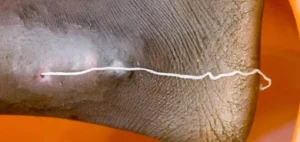 Dracunculiasis, also known as Guinea-worm disease, is a parasitic disease caused by the nematode Dracunculus medinensis. It’s a debilitating disease, primarily affecting impoverished communities with limited access to safe drinking water. While there’s no cure or vaccine, dracunculiasis is on the verge of eradication, thanks to intensive global efforts.
Here’s a detailed overview:
Transmission:
- Dracunculiasis is transmitted exclusively through the consumption of water contaminated with copepods (tiny crustaceans or “water fleas”) that contain infective larvae.
- When a person drinks contaminated water, the copepods are digested in the stomach, releasing the larvae.
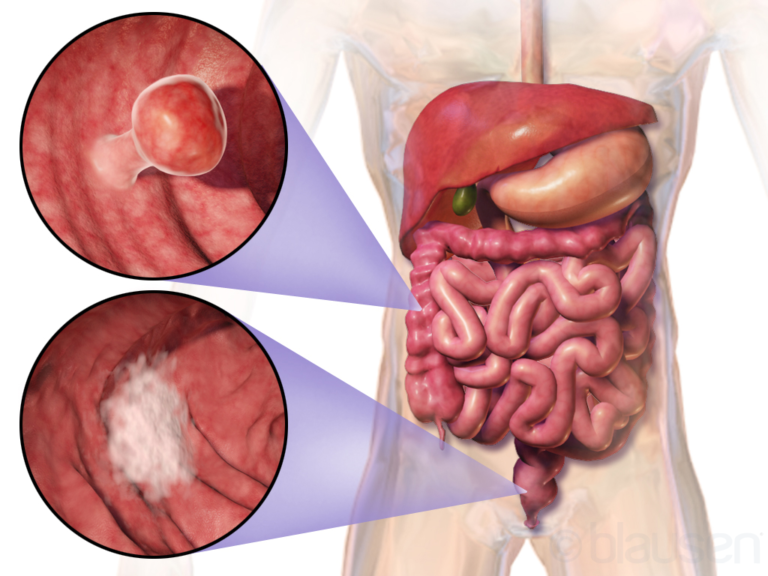
- The larvae penetrate the intestinal wall and mature into adult worms within the body.
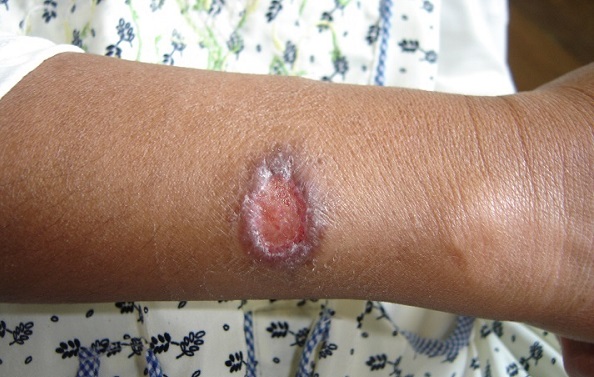
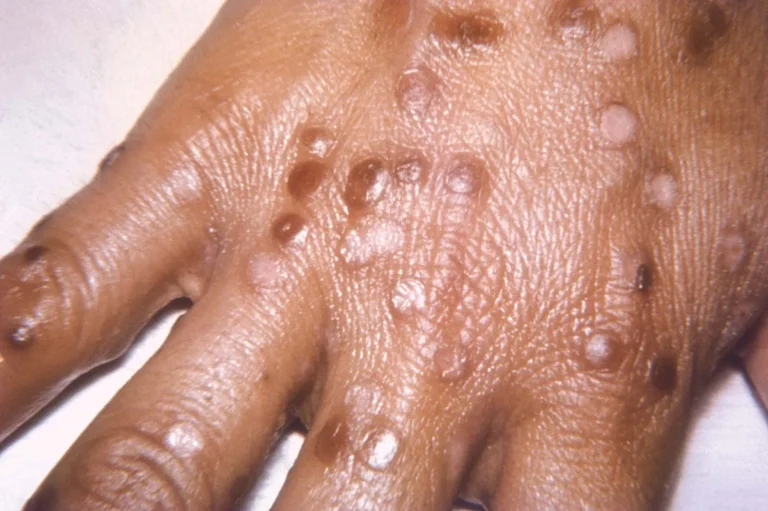
- After roughly a year, the mature female worm migrates to the body’s surface, typically the lower limbs, and forms a blister.
- When the blister ruptures, usually upon contact with water, the female worm releases larvae into the water, restarting the cycle.
Symptoms:
- The most prominent symptom is the painful blister that forms when the mature female worm emerges from the skin.
- This emergence is often accompanied by intense pain, swelling, and localized burning sensations.
- Secondary bacterial infections are common, further exacerbating the pain and disability.
- Other symptoms can include fever, nausea, vomiting, and dizziness.
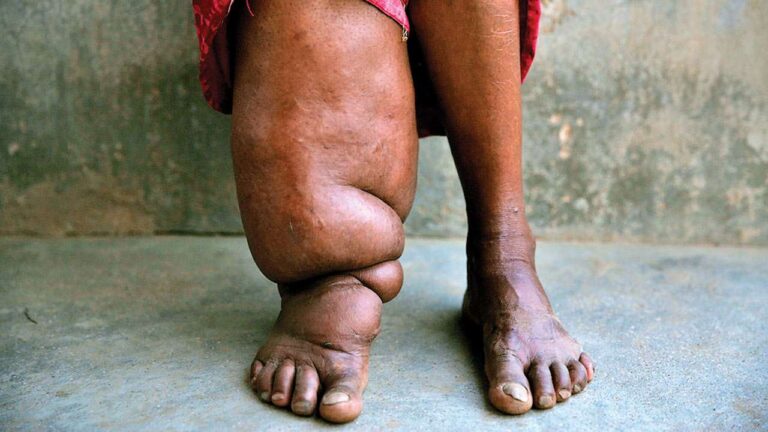
- The effects of the disease can cause long periods of disability.
Prevention:
- Safe Drinking Water: Providing access to clean, filtered, or piped water sources.
- Water Filtration: Filtering contaminated water through fine-mesh cloth.
- Health Education: Educating communities about the disease and its transmission.
- Case Containment: Preventing infected individuals from contaminating water sources.
- Vector Control: Treating contaminated water sources with temephos to kill copepods.
Because there’s no cure or vaccine, prevention is paramount. Key strategies include:
- Safe Drinking Water: Providing access to clean, filtered, or piped water sources.
Eradication Efforts:
- Dracunculiasis is targeted for eradication, and significant progress has been made.
- The World Health Organization (WHO), The Carter Center, and other organizations have led global efforts to eliminate the disease.
- Key strategies include active case surveillance, community-based interventions, and providing access to safe water.
- Challenges remain in remote and conflict-affected areas.
- The infection of dogs, with the same parasite, is also proving to be a challenge to full eradication.
Key Points:
- Dracunculiasis is a waterborne parasitic disease.
- Prevention relies on access to safe drinking water and behavioral changes.
- Global eradication efforts have dramatically reduced cases.
- Continued surveillance and interventions are crucial to achieve complete eradication.
Dracunculiasis serves as a powerful example of how targeted public health interventions can effectively combat a debilitating disease.