Ebola virus disease
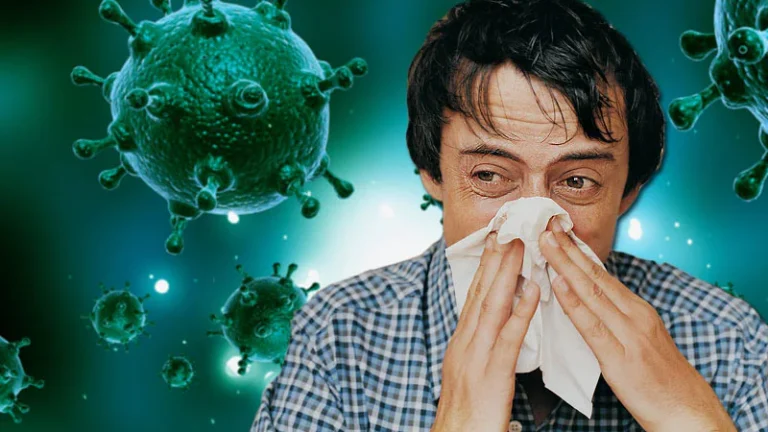
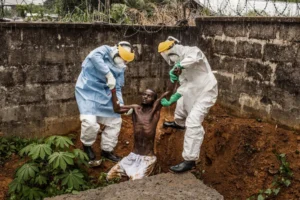 Ebola virus disease (EVD) is a severe, often fatal illness in humans. It is caused by infection with an ebolavirus. Understanding its transmission, symptoms, and prevention is crucial for controlling outbreaks.
Key Characteristics:
- Causative Agent:
- Ebolaviruses, belonging to the Filoviridae family.
- Transmission:
- Primarily through direct contact with the bodily fluids of an infected person (or animal). These fluids can include blood, saliva, urine, vomit, and semen.
- Contact with contaminated objects (e.g., needles, clothing).
- Potential transmission through handling infected animal carcasses.
- Geographical Distribution:
- Primarily in sub-Saharan Africa.
- Severity:
- High fatality rate, varying depending on the specific ebolavirus strain and the quality of healthcare received.
Transmission Details:
- Animal-to-Human Transmission:
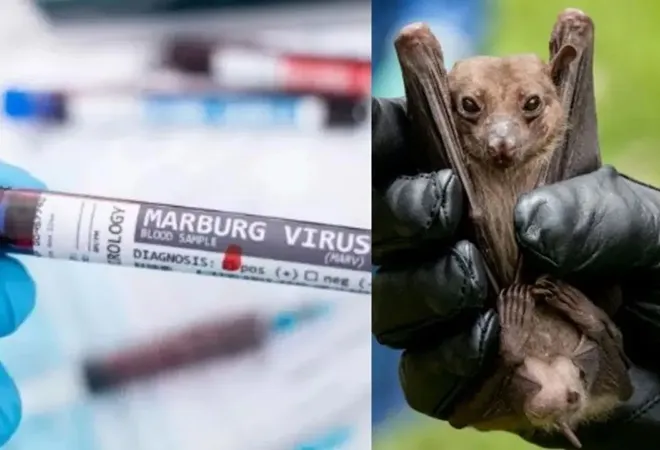
- Believed to originate from animal reservoirs, with fruit bats considered the most likely natural host.
- Humans can become infected through contact with infected wild animals (e.g., bats, primates).
- Human-to-Human Transmission:
- Occurs through direct contact with infected bodily fluids.
- Healthcare workers and family members caring for infected individuals are at high risk.
- Burial practices that involve direct contact with the deceased can also spread the virus.
Symptoms:
- Initial Symptoms:
- Fever
- Fatigue
- Muscle pain
- Headache
- Sore throat
- Later Symptoms:
- Vomiting
- Diarrhea
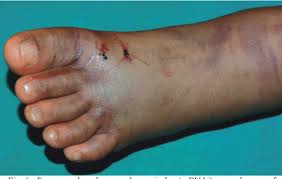
- Rash
- Impaired kidney and liver function
- Internal and external bleeding (hemorrhage)
Diagnosis:
- Laboratory testing is essential for confirming EVD:
- RT-PCR (reverse transcriptase-polymerase chain reaction) to detect the virus’s RNA.
- Antibody detection tests.
Treatment:
- Supportive care is crucial:
- Fluid and electrolyte replacement.
- Symptom management.
- Treatment of complications.
- There are now approved vaccines, and also some approved monoclonal antibody treatments, that have greatly improved patient outcomes.
Prevention:
- Infection Control:
- Strict adherence to infection control measures in healthcare settings.
- Proper use of personal protective equipment (PPE).
- Safe burial practices.
- Public Education:
- Raising awareness about the risks of EVD and preventive measures.
- Vaccination:
- Vaccines are available, and are very important in controlling outbreaks.
- Animal Handling Precautions:
- Avoiding contact with wild animals and their bodily fluids.
Public Health Importance:
- EVD outbreaks can have devastating consequences.
- Rapid response and containment measures are essential to prevent widespread transmission.
- International collaboration is crucial for controlling outbreaks and providing support to affected countries.
It’s important to stay informed about EVD and to follow the guidelines provided by reputable health organizations, such as the World Health Organization (WHO) and the Centers for Disease Control and Prevention (CDC).