Eye care
 Eye care is a vital aspect of overall health, as our vision plays a crucial role in our daily lives. Maintaining healthy eyes involves a combination of preventative measures, regular check-ups, and awareness of potential issues. Here’s a comprehensive overview of essential eye care practices:
Understanding Eye Health:
- The Importance of Vision:
- Vision allows us to navigate our environment, read, work, and enjoy visual experiences.
- Eye health is interconnected with overall health, and certain systemic diseases can affect the eyes.
- Vision allows us to navigate our environment, read, work, and enjoy visual experiences.
- Common Eye Conditions:
- Refractive errors (nearsightedness, farsightedness, astigmatism)
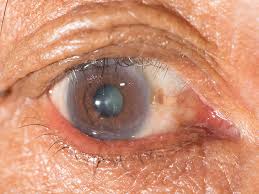
- Cataracts
- Glaucoma
- Macular degeneration
- Dry eye syndrome
- Conjunctivitis (pink eye)
- Refractive errors (nearsightedness, farsightedness, astigmatism)
Essential Eye Care Practices:
- Regular Eye Exams:
- Comprehensive eye exams are crucial for detecting eye diseases in their early stages, even before symptoms appear.
- The frequency of eye exams varies depending on age, health, and risk factors.
- Children should have regular eye screenings to ensure proper visual development.
- Adults should have routine eye exams, especially those with diabetes, high blood pressure, or a family history of eye disease.
- Comprehensive eye exams are crucial for detecting eye diseases in their early stages, even before symptoms appear.
- Protecting Your Eyes:
- Sunglasses: Wear sunglasses that block 99-100% of UVA and UVB rays to protect your eyes from sun damage.
- Protective Eyewear: Use protective eyewear when participating in sports, working with hazardous materials, or doing home repairs.
- Computer Eye Strain:
- Follow the 20-20-20 rule: Every 20 minutes, look at something 20 feet away for 20 seconds.
- Adjust screen brightness and reduce glare.
- Blink frequently to keep your eyes lubricated.
- Follow the 20-20-20 rule: Every 20 minutes, look at something 20 feet away for 20 seconds.
- Sunglasses: Wear sunglasses that block 99-100% of UVA and UVB rays to protect your eyes from sun damage.
- Maintaining a Healthy Lifestyle:
- Healthy Diet: Consume a balanced diet rich in fruits, vegetables, and omega-3 fatty acids, which are beneficial for eye health.
- Maintain a Healthy Weight: Being overweight or obese increases the risk of developing diabetes, which can lead to diabetic retinopathy.
- Avoid Smoking: Smoking increases the risk of developing cataracts, macular degeneration, and other eye diseases.
- Healthy Diet: Consume a balanced diet rich in fruits, vegetables, and omega-3 fatty acids, which are beneficial for eye health.
- Proper Contact Lens Care:
- Wash your hands thoroughly before handling contact lenses.
- Clean and disinfect contact lenses according to your eye care professional’s instructions.
Replace contact lenses as recommended.
- Avoid wearing contact lenses overnight unless they are specifically designed for extended wear.
- Wash your hands thoroughly before handling contact lenses.
- Good Hygiene:
- Avoid rubbing your eyes, especially with dirty hands.
- Remove eye makeup before going to bed.
- Avoid rubbing your eyes, especially with dirty hands.
When to Seek Professional Eye Care:
- Sudden vision changes
- Eye pain
- Redness or irritation
- Double vision
- Flashing lights or floaters
- Sensitivity to light
Types of Eye Care Professionals:
- Ophthalmologists: Medical doctors who specialize in eye and vision care. They can diagnose and treat all eye diseases, perform eye surgery, and prescribe eyeglasses and contact lenses.
- Optometrists: Healthcare professionals who provide primary vision care. They can perform eye exams, diagnose and treat many eye diseases, and prescribe eyeglasses and contact lenses.
- Opticians: Professionals who fit and dispense eyeglasses and contact lenses based on prescriptions from ophthalmologists or optometrists.
By prioritizing eye care, you can help maintain healthy vision throughout your life.