Healthy diet
A healthy diet is fundamental to overall well-being, providing the necessary nutrients for optimal physical and mental health. It’s not about restrictive eating or fad diets, but rather about making informed choices that nourish your body and promote long-term health. Here’s a comprehensive look at the principles of a healthy diet:Understanding the Basics:

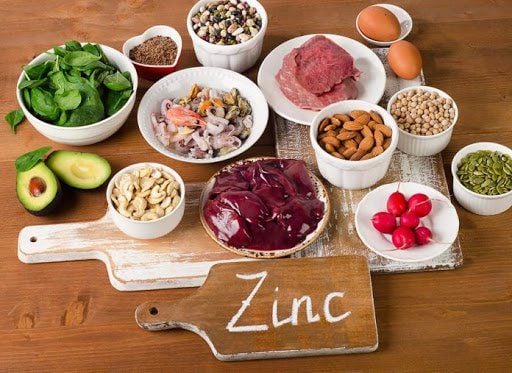
A healthy diet emphasizes a balance of essential nutrients from various food groups. It prioritizes whole, unprocessed foods while minimizing intake of unhealthy fats, sugars, and processed items.
Key Components of a Healthy Diet:
- Fruits and Vegetables:
- These are rich in vitamins, minerals, antioxidants, and fiber.
- Aim for a variety of colorful fruits and vegetables to maximize nutrient intake.
- Include leafy greens, cruciferous vegetables (broccoli, cauliflower), berries, citrus fruits, and more.
- Whole Grains:
- Whole grains provide fiber, which aids digestion and promotes satiety.
- Examples include brown rice, quinoa, oats, whole-wheat bread, and whole-grain pasta.
- Avoid refined grains (white bread, white rice), which are stripped of nutrients.
- Lean Protein:
- Protein is essential for building and repairing tissues.
- Opt for lean protein sources such as:
- Poultry (chicken, turkey)
- Fish and seafood
- Legumes (beans, lentils)
- Tofu and tempeh
- Lean cuts of red meat (in moderation)
- Healthy Fats:
- Healthy fats are crucial for brain health, hormone production, and nutrient absorption.
- Sources include:
- Avocados
- Nuts and seeds
- Olive oil
- Fatty fish (salmon, tuna)
- Limit saturated and trans fats, found in processed foods and red meats.
- Dairy or Dairy Alternatives:
- Dairy products provide calcium and vitamin D, essential for bone health.
- If you’re lactose intolerant or prefer alternatives, choose fortified plant-based milk (almond, soy, oat).
- Choose low fat versions of dairy products when possible.
- Water:
- Staying hydrated is crucial for overall health.
- Aim to drink plenty of water throughout the day.
- Limit sugary drinks and excessive caffeine.
Foods to Limit or Avoid:
- Processed Foods:
- These are often high in unhealthy fats, sugar, and sodium.
- Examples include packaged snacks, fast food, and processed meats.
- Sugary Drinks:
- Sodas, juices, and sweetened beverages contribute to weight gain and chronic diseases.
- Excessive Sodium:
- High sodium intake can lead to high blood pressure.
- Limit processed foods and use salt sparingly.
- Unhealthy Fats:
- Trans fats and excessive saturated fats.
- These fats raise bad cholesterol and increase the risk of heart disease.
- Refined Grains:
- These foods, like white bread, and white rice, lack the fiber and nutrients of whole grains.
Practical Tips for a Healthy Diet:

- Plan Your Meals: Meal planning can help you make healthier choices and avoid impulsive eating.
- Cook at Home: Preparing your own meals allows you to control the ingredients and portion sizes.
- Read Food Labels: Pay attention to serving sizes, nutrient content, and added sugars.
- Portion Control: Be mindful of portion sizes to avoid overeating.
- Eat Mindfully: Pay attention to your body’s hunger and fullness cues.
- Make Gradual Changes: Don’t try to overhaul your diet overnight. Start with small, manageable changes.
- Stay Consistent: Consistency is key to long-term success.

- Seek Professional Guidance: A registered dietitian can provide personalized advice.

Benefits of a Healthy Diet:
- Weight Management: Helps maintain a healthy weight.
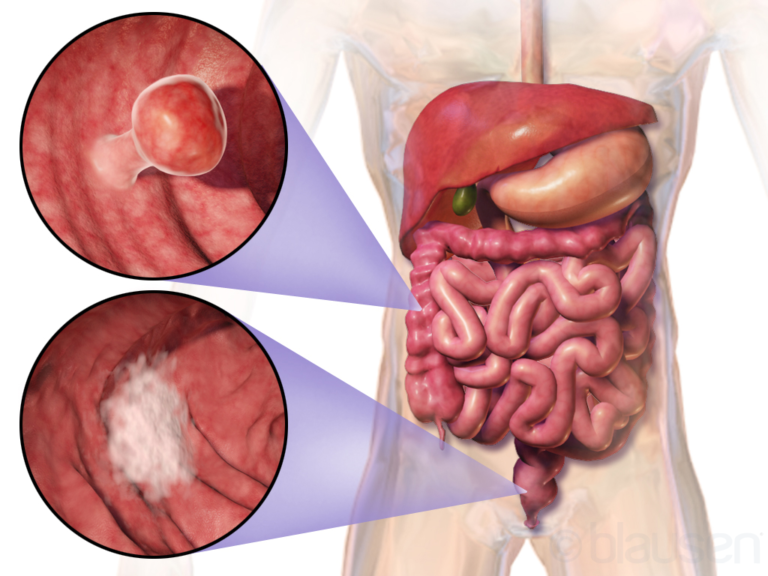
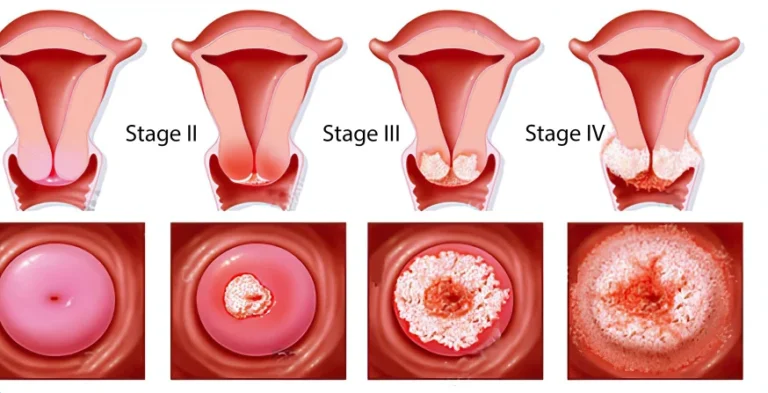
- Reduced Risk of Chronic Diseases: Lowers the risk of heart disease, stroke, type 2 diabetes, and certain cancers.
- Improved Energy Levels: Provides sustained energy throughout the day.
- Enhanced Mental Health: Supports cognitive function and emotional well-being.
- Stronger Immune System: Strengthens the body’s defense against infections.
- Better Digestive Health: Promotes regular bowel movements and gut health.
- Longevity: Contributes to a longer and healthier life.
Other Posts