Hypertension, commonly known as high blood pressure, is a chronic medical condition characterized by persistently elevated arterial blood pressure. It’s a significant public health concern due to its strong association with cardiovascular diseases, stroke, kidney disease, and other serious health complications. Understanding the complexities of hypertension, its causes, symptoms, and management, is crucial for preventing and controlling its potentially devastating consequences.
Understanding Blood Pressure:
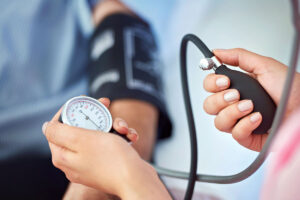
Blood pressure is the force exerted by circulating blood against the walls of the arteries. It’s measured in millimeters of mercury (mmHg) and is expressed as two numbers:
- Systolic Pressure: The pressure in the arteries when the heart contracts (beats).
- Diastolic Pressure: The pressure in the arteries when the heart relaxes between beats.
A normal blood pressure reading is less than 120/80 mmHg. Hypertension is diagnosed when blood pressure readings consistently reach or exceed 130/80 mmHg.
Types of Hypertension:
- Primary (Essential) Hypertension:
- This is the most common type, accounting for about 90-95% of cases.
- It develops gradually over many years and has no identifiable single cause.
- It’s often linked to lifestyle factors, genetics, and aging.
- Secondary Hypertension:
- This type is caused by an underlying medical condition.
- Conditions that can cause secondary hypertension include:
- Kidney disease.
- Obstructive sleep apnea.
- Endocrine disorders (e.g., Cushing’s syndrome, pheochromocytoma).
- Certain medications (e.g., birth control pills, decongestants).
- Thyroid problems.
- Congenital blood vessel defects.
Risk Factors:
Several factors can increase the risk of developing hypertension:
- Age: The risk increases with age.
- Family History: A family history of hypertension.
- Unhealthy Diet: High sodium intake, low potassium intake, and a diet high in saturated and trans fats.
- Physical Inactivity: A sedentary lifestyle.
- Obesity: Excess weight puts added strain on the heart.
- Excessive Alcohol Consumption: Regular heavy drinking.
- Tobacco Use: Smoking damages blood vessels.
- Stress: Chronic stress can contribute to high blood pressure.
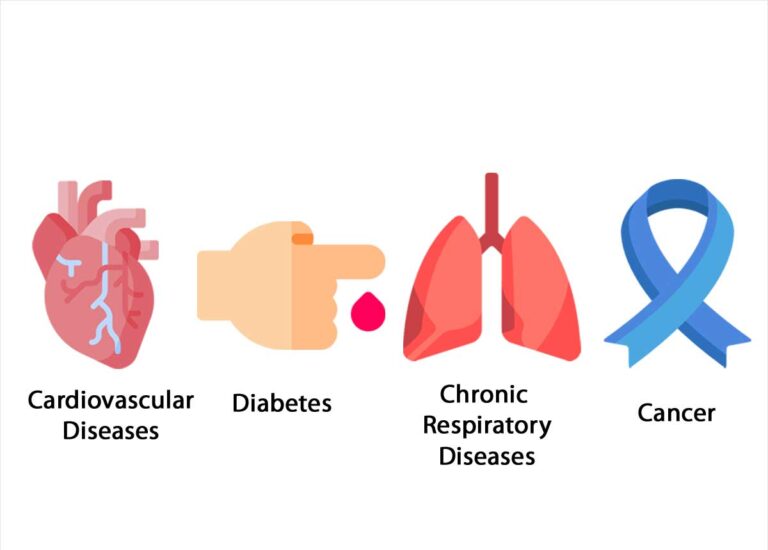
- Certain Chronic Conditions: Such as diabetes and kidney disease.
Symptoms:
Hypertension is often called the “silent killer” because it typically has no noticeable symptoms. Some people may experience:
- Headaches.
- Dizziness.
- Shortness of breath.
- Nosebleeds.
- Visual changes.
However, these symptoms are not specific to hypertension and may not occur until the condition is severe.
Complications:
Untreated hypertension can lead to serious health complications:
- Heart Attack and Stroke: High blood pressure damages arteries, increasing the risk of blood clots.
- Heart Failure: The heart has to work harder to pump blood, which can lead to heart muscle thickening and failure.
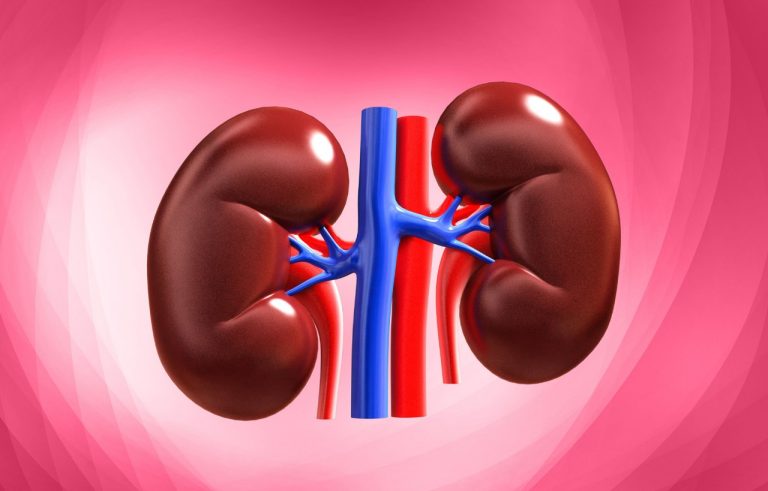
- Kidney Disease: High blood pressure can damage the blood vessels in the kidneys.
- Vision Loss: Damage to blood vessels in the retina.
- Peripheral Artery Disease (PAD): Narrowing of arteries in the limbs.
- Aneurysms: Bulges in blood vessel walls.
Diagnosis:
- Blood Pressure Measurement: Readings taken at multiple appointments.
- Ambulatory Blood Pressure Monitoring (ABPM): 24-hour monitoring.
- Home Blood Pressure Monitoring: Regular readings at home.
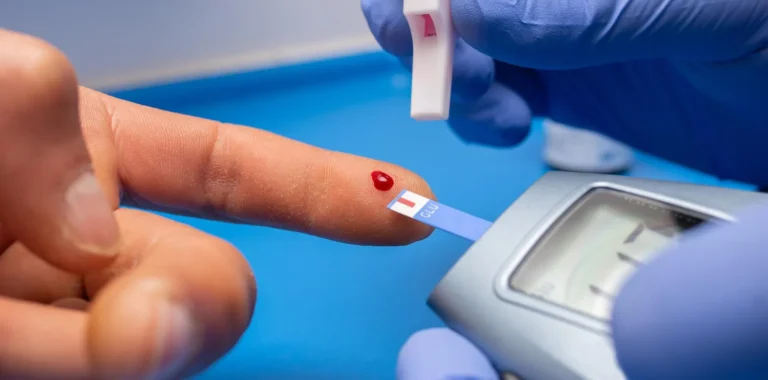
- Laboratory Tests: To check kidney function, cholesterol levels, and other factors.
- Electrocardiogram (ECG): To assess heart function.
Management and Treatment:
- Lifestyle Modifications:
- Healthy diet (DASH diet).
- Regular physical activity.
- Weight management.
- Sodium reduction.
- Limiting alcohol consumption.
- Smoking cessation.
- Stress management.
- Medications:
- Diuretics.
- ACE inhibitors.
- Angiotensin II receptor blockers (ARBs).
- Beta-blockers.
- Calcium channel blockers.
- Other medications.
- Regular monitoring.
Prevention:
- Adopting a healthy lifestyle.
- Regular blood pressure checks.
- Managing underlying medical conditions.
Hypertension is a serious condition that requires ongoing management. Early detection and treatment can significantly reduce the risk of complications and improve long-term health.