Leishmaniasis
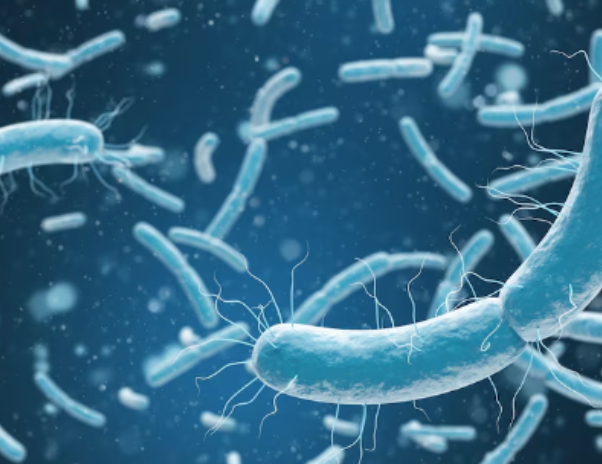
 Leishmaniasis is a parasitic disease caused by protozoan parasites of the Leishmania genus and transmitted by the bite of infected female phlebotomine sandflies. It manifests in several forms, each with distinct clinical features. Here’s a detailed overview:
Understanding Leishmaniasis:
- Causative Agent:
- Protozoan parasites of the genus Leishmania.
- Protozoan parasites of the genus Leishmania.
- Transmission:
- Bite of infected female phlebotomine sandflies.
- Bite of infected female phlebotomine sandflies.
- Geographical Distribution:
- Found in parts of about 90 countries in the tropics, subtropics, and southern Europe.
- Risk Factors:
- Poverty, malnutrition, deforestation, urbanization, and displacement.
- Poverty, malnutrition, deforestation, urbanization, and displacement.
Forms of Leishmaniasis:
Leishmaniasis presents in three main forms:
- Visceral Leishmaniasis (VL) (Kala-azar):
- The most severe form, affecting internal organs like the spleen, liver, and bone marrow.
- If left untreated, it has a high mortality rate.
- Symptoms include fever, weight loss, enlargement of the spleen and liver, and anemia.
- The most severe form, affecting internal organs like the spleen, liver, and bone marrow.
- Cutaneous Leishmaniasis (CL):
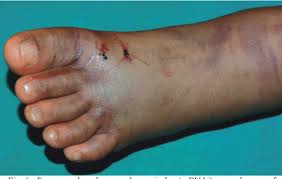
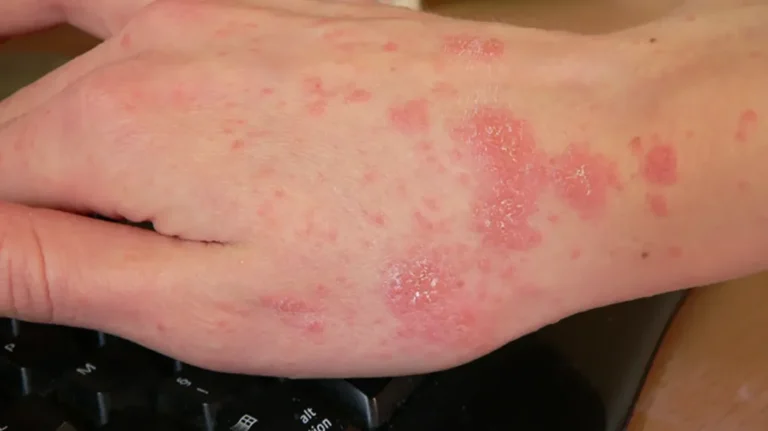
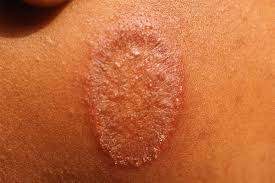
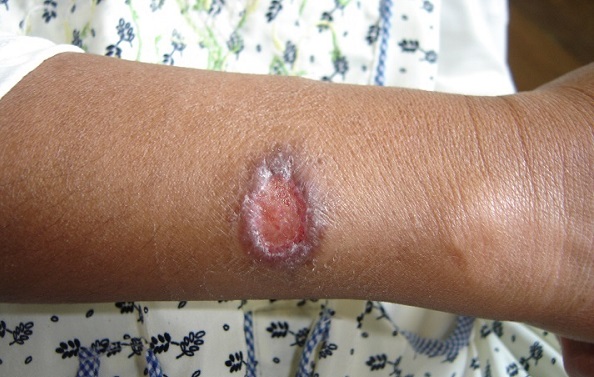
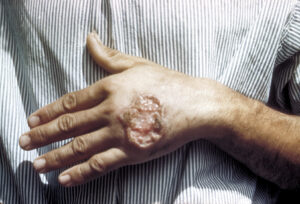
- The most common form, causing skin lesions, mainly ulcers, on exposed parts of the body.
- Lesions can lead to scarring and disability.
- The most common form, causing skin lesions, mainly ulcers, on exposed parts of the body.
- Mucocutaneous Leishmaniasis (MCL):
- Affects the mucous membranes of the nose, mouth, and throat.
- Can cause significant tissue destruction and disfigurement.
- Affects the mucous membranes of the nose, mouth, and throat.
Transmission and Risk Factors:
- Vector Transmission:
- Phlebotomine sandflies transmit the Leishmania parasites.
- The flies become infected by biting infected animals or humans.
- Phlebotomine sandflies transmit the Leishmania parasites.
- Environmental Factors:
- Environmental changes, such as deforestation and urbanization, can affect sandfly populations and disease transmission.
- Environmental changes, such as deforestation and urbanization, can affect sandfly populations and disease transmission.
- Socioeconomic Factors:
- Poverty, poor housing, and lack of access to healthcare increase the risk of infection.
- Malnutrition weakens the immune system, making individuals more susceptible.
- Poverty, poor housing, and lack of access to healthcare increase the risk of infection.
Diagnosis:
Diagnosis of leishmaniasis involves:
- Clinical Examination:
- Assessment of symptoms and physical signs.
- Parasitological Tests:
- Microscopic examination of tissue samples.
- Culture of parasites.
- Serological Tests:
- Detection of antibodies in blood samples.
- Molecular Tests (PCR):
- Detection of parasite DNA.
Treatment:
Treatment for leishmaniasis depends on the form of the disease and the patient’s condition. Options include:
- Antimonial Drugs:
- Such as sodium stibogluconate.
- Such as sodium stibogluconate.
- Amphotericin B:
- Used for visceral leishmaniasis.
- Used for visceral leishmaniasis.
- Miltefosine:
- An oral medication.
- An oral medication.
- Paromomycin:
- Used in some areas.
Prevention:
Preventive measures focus on reducing sandfly exposure and controlling reservoir hosts:
- Vector Control:
- Use of insecticide-treated bed nets.
- Indoor residual spraying.
- Environmental management to reduce sandfly breeding sites.
- Use of insecticide-treated bed nets.
- Reservoir Control:
- Control of animal reservoirs, such as dogs.
- Control of animal reservoirs, such as dogs.
- Personal Protection:
- Use of insect repellents.
- Use of insect repellents.
Public Health Importance:
- Leishmaniasis is a neglected tropical disease (NTD) affecting some of the world’s poorest populations.
- It can cause significant morbidity and mortality.
- Control efforts require a multidisciplinary approach involving healthcare professionals, environmental scientists, and community members.
It is important to seek medical advice if you suspect you may have Leishmaniasis, especially if you have been in regions where the disease is known to occur.