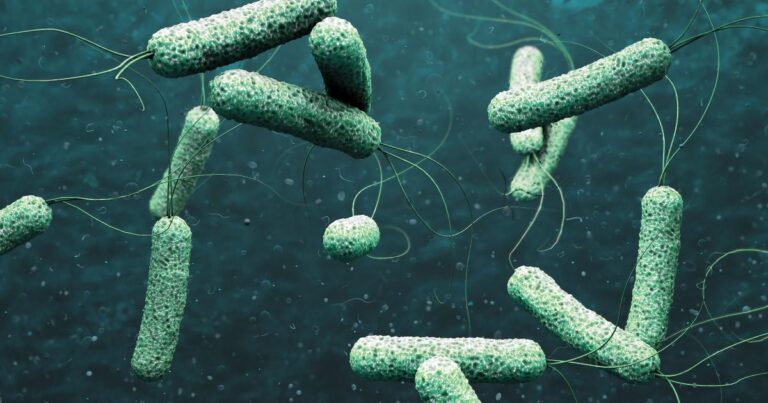
Marburg virus disease
Marburg virus disease (MVD) is a severe, often fatal, illness in humans. It’s caused by the Marburg virus, a member of the Filoviridae family, the same family as the Ebola virus. This connection means that Marburg and Ebola share many clinical similarities. Here’s a detailed overview:
Key Characteristics:
- Causative Agents:
- Marburg virus (MARV)
- Ravn virus (RAVV)
- Marburg virus (MARV)
- Transmission:
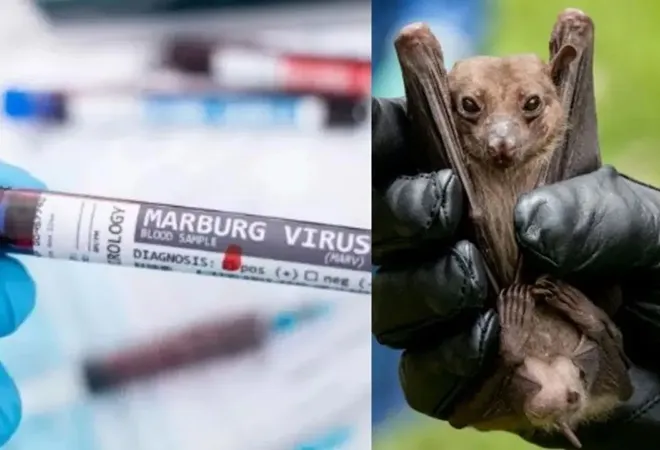
- Primarily from animal hosts, particularly fruit bats (Rousettus aegyptiacus).
- Human-to-human transmission occurs through direct contact with the bodily fluids of infected individuals (blood, secretions, etc.).
- Contact with contaminated materials (e.g., bedding, clothing).
- Primarily from animal hosts, particularly fruit bats (Rousettus aegyptiacus).
- Severity:
- High fatality rate, which can vary significantly between outbreaks.
- High fatality rate, which can vary significantly between outbreaks.
Transmission Details:
- Animal-to-Human Transmission:
- Fruit bats are considered the natural reservoir of the Marburg virus.
- Humans can become infected through exposure to bat excreta or by spending prolonged time in caves or mines inhabited by bat colonies.
- Fruit bats are considered the natural reservoir of the Marburg virus.
- Human-to-Human Transmission:
- Occurs through direct contact with the blood, secretions, organs, or other bodily fluids of infected people.
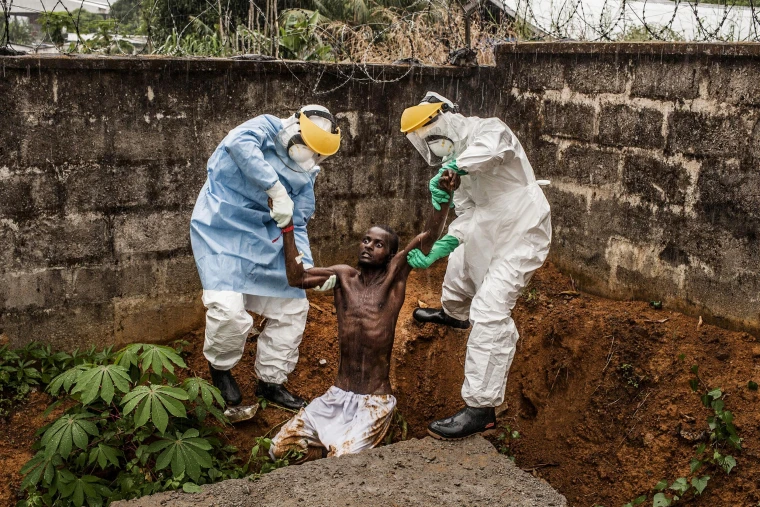
- Healthcare workers and family members caring for infected individuals are at high risk.
Burial practices that involve direct contact with the deceased can also spread the virus.
- Occurs through direct contact with the blood, secretions, organs, or other bodily fluids of infected people.
Symptoms:
The incubation period for Marburg virus disease ranges from 2 to 21 days. Symptoms can include:
- Early Symptoms:
- High fever
- Severe headache
- Muscle aches and pains
- Severe malaise
- High fever
- Later Symptoms:
- Severe watery diarrhea
- Abdominal pain and cramping
- Nausea and vomiting
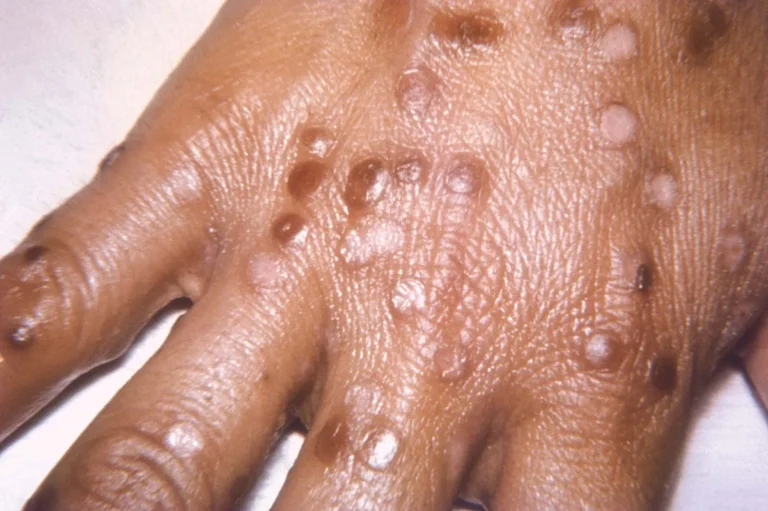
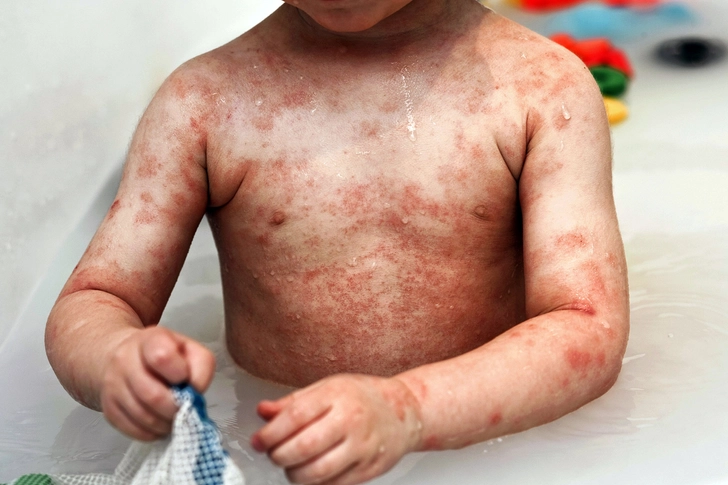
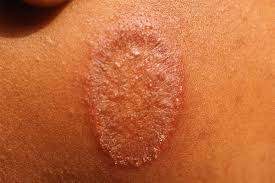
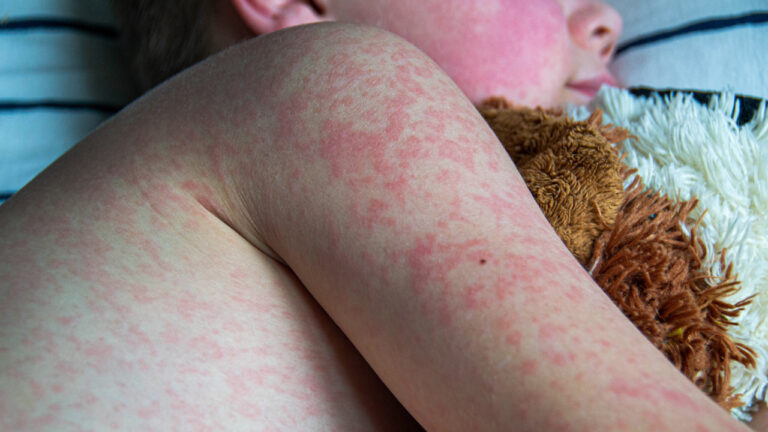
- Rash
- Hemorrhagic manifestations (bleeding from various sites)
- Central nervous system involvement (confusion, irritability, aggression)
- Severe watery diarrhea
Diagnosis:
- Laboratory testing is crucial for confirming MVD:
- RT-PCR (reverse transcriptase-polymerase chain reaction)
- ELISA (enzyme-linked immunosorbent assay)
- Virus isolation
- RT-PCR (reverse transcriptase-polymerase chain reaction)
Treatment:
- There are currently no specific antiviral drugs or vaccines approved for MVD.
- Supportive care is essential:
- Rehydration (oral or intravenous fluids)
- Symptomatic treatment
- Treatment of complications
Prevention:
- Risk Reduction:
- Avoiding contact with fruit bats and their habitats.
- Thoroughly cooking animal products before consumption.
- Avoiding contact with fruit bats and their habitats.
- Infection Control:
- Strict adherence to infection control measures in healthcare settings.
- Proper use of personal protective equipment (PPE).
- Safe burial practices.
- Strict adherence to infection control measures in healthcare settings.
- Public Awareness:
- Educating the public about the risks of MVD and preventive measures.
- Educating the public about the risks of MVD and preventive measures.
Public Health Importance:
- Marburg virus disease outbreaks can have devastating consequences due to the high fatality rate.
- Rapid response and containment measures are essential to prevent widespread transmission.
- International collaboration is crucial for controlling outbreaks and providing support to affected countries.
It’s important to stay informed about Marburg virus disease and to follow the guidelines provided by reputable health organizations, such as the World Health Organization (WHO).
I hope this information is helpful.