Obesity

Obesity is a complex chronic disease characterized by excessive accumulation of body fat, posing significant health risks. It’s not simply a matter of weight, but rather a condition that can lead to numerous comorbidities and reduce overall quality of life. Understanding the causes, health consequences, and effective management strategies is crucial for addressing this growing public health concern.
Understanding Obesity:
- Definition:
- Obesity is defined as having a body mass index (BMI) of 30 or higher.
- BMI is a measure of body fat based on height and weight
- However, BMI has limitations, as it doesn’t account for muscle mass or body fat distribution.
- Other measures, such as waist circumference and body fat percentage, can provide a more accurate assessment.
- Obesity is defined as having a body mass index (BMI) of 30 or higher.
- Types of Obesity:
- Abdominal obesity (central obesity): Excess fat around the abdomen, associated with higher health risks.
- Generalized obesity: Excess fat distributed throughout the body.
Causes and Risk Factors:
Obesity is a multifactorial condition, influenced by a combination of genetic, environmental, and behavioral factors:
- Dietary Factors:
- High intake of calorie-dense foods (processed foods, sugary drinks).
- Large portion sizes.
- Frequent consumption of fast food.
- Physical Inactivity:
- Sedentary lifestyle.
- Lack of regular exercise.
- Genetic Predisposition:
- Certain genetic variations can increase susceptibility to obesity.
- Environmental Factors:
- Easy access to unhealthy foods.
- Lack of safe spaces for physical activity.
- Marketing of unhealthy foods.
- Psychological Factors:
- Emotional eating.
- Stress.
- Depression.
- Medical Conditions:
- Certain hormonal disorders (e.g., hypothyroidism, Cushing’s syndrome).
- Some medications (e.g., antidepressants, corticosteroids).
- Sleep Deprivation:
- Disrupted sleep patterns can affect hormones that regulate appetite.
- Socioeconomic Factors:
- Limited access to healthy foods and safe places to exercise.
Health Consequences:
Obesity significantly increases the risk of numerous chronic diseases:
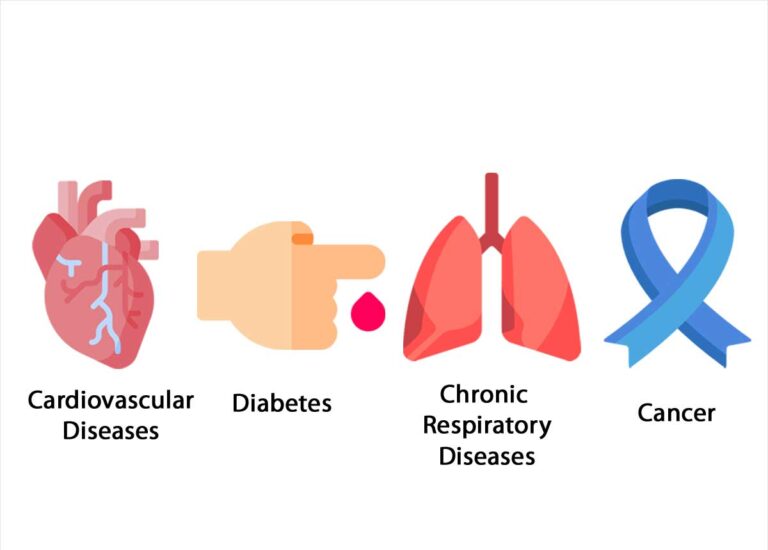
- Cardiovascular Diseases:
- Heart disease.
- Stroke.
- High blood pressure.
- High cholesterol.
- Type 2 Diabetes:
- Insulin resistance.
- Certain Cancers:
- Endometrial, breast, colon, kidney, and others.
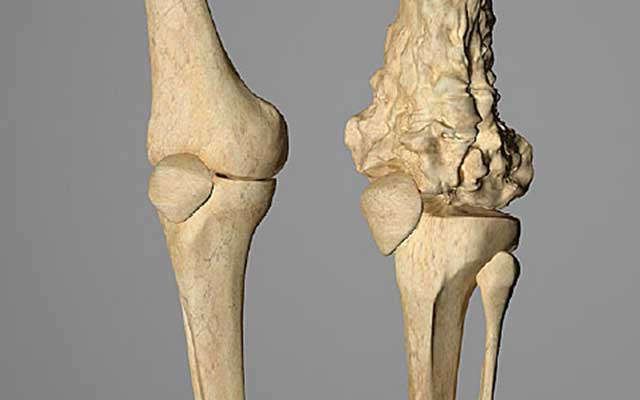
- Musculoskeletal Disorders:
- Osteoarthritis.
- Back pain.
- Respiratory Problems:
- Sleep apnea.
- Asthma.
- Liver Disease:
- Non-alcoholic fatty liver disease (NAFLD).
- Mental Health Disorders:
- Depression.
- Anxiety.
- Reduced Quality of Life:
- Physical limitations.
- Social stigma.
Management and Treatment:
A comprehensive approach is essential for effective obesity management:
- Lifestyle Modifications:
- Dietary Changes:
- Balanced diet with reduced calorie intake.
- Emphasis on whole foods, fruits, vegetables, and lean protein.
- Portion control.
- Limiting processed foods, sugary drinks, and unhealthy fats.
- Increased Physical Activity:
- Regular aerobic exercise (e.g., brisk walking, swimming).
- Strength training.
- Aim for at least 150 minutes of moderate-intensity exercise per week.
- Behavioral Therapy:
- Cognitive behavioral therapy (CBT) to address emotional eating and develop healthy coping mechanisms.
- Support groups.
- Dietary Changes:
- Medications:
- Prescription weight-loss medications may be considered for individuals with a BMI of 30 or higher, or 27 or higher with comorbidities.
- These medications work through various mechanisms, such as appetite suppression or fat absorption inhibition.
- Medications should be used in conjunction with lifestyle modifications.
- Bariatric Surgery:
- Surgical procedures (e.g., gastric bypass, sleeve gastrectomy) may be an option for individuals with severe obesity (BMI of 40 or higher, or 35 or higher with comorbidities) who have not achieved significant weight loss through other methods.
- Bariatric surgery can lead to significant weight loss and improvement in comorbidities.
- Ongoing Monitoring and Support:
- Regular follow-up with healthcare professionals.
- Long-term support to maintain weight loss.
Prevention:
- Promoting Healthy Lifestyles:
- Encouraging healthy eating habits from an early age.
- Promoting regular physical activity.
- Creating supportive environments for healthy choices.
- Public Health Initiatives:
- Policies to reduce access to unhealthy foods.
- Programs to promote physical activity.
- Public education campaigns.
Obesity is a complex and challenging condition, but with appropriate management and support, individuals can achieve significant improvements in their health and quality of life.
I hope this information is helpful.