River Blindness
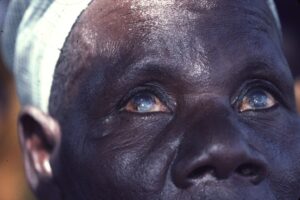
River blindness, or onchocerciasis, is a parasitic disease caused by the filarial worm Onchocerca volvulus. It’s a significant public health problem in many parts of Africa, as well as in some areas of Latin America and Yemen. The disease is transmitted through the bites of infected blackflies, which breed in fast-flowing rivers and streams, hence the name “river blindness.”
Understanding River Blindness:
- Causative Agent:
- Onchocerca volvulus, a parasitic filarial worm.
- Vector:
- Blackflies of the genus Simulium.
- Transmission:
- Through the bites of infected blackflies.
- When a blackfly bites a person, it deposits larvae (L3) onto the skin.
- These larvae penetrate the skin and develop into adult worms.
- Adult worms produce millions of microfilariae, which migrate through the skin and eyes.
Pathogenesis:
- The microfilariae are the primary cause of the disease’s symptoms.
- When they die, they release substances that trigger an inflammatory response in the body.
- This inflammation can lead to skin lesions, itching, and eye damage.
- In the eyes, the inflammation can cause corneal scarring, optic nerve damage, and ultimately, blindness.
Symptoms:
River blindness can cause a range of symptoms, including:
- Skin Manifestations:
- Intense itching.
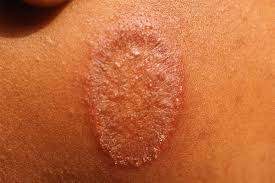
- Skin rashes.
- Depigmentation (loss of skin color).
- Lichenification (thickening and hardening of the skin).
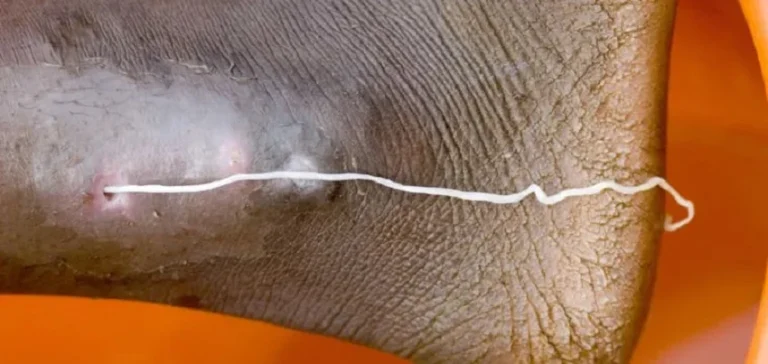
- Onchocercomata (nodules containing adult worms).
- Ocular Manifestations:
- Photophobia (sensitivity to light).
- Conjunctivitis (inflammation of the conjunctiva).
- Corneal opacities (clouding of the cornea).
- Optic atrophy (damage to the optic nerve).
- Blindness.
- Other Manifestations:
- Lymphadenopathy (swollen lymph nodes).
- General malaise.
- Epilepsy (Onchocerciasis Associated Epilepsy-OAE)
Diagnosis:
- Skin Snips:
- Microscopic examination of skin samples to detect microfilariae.
- Slit-Lamp Examination:
- Examination of the eyes to detect microfilariae or corneal lesions.
- Nodule Palpation:
- Feeling for onchocercomata.
- Serological Tests:
- Detection of antibodies to O. volvulus.
- Ocular Coherence Tomography (OCT)
Treatment:
- Ivermectin:
- The primary drug used to treat river blindness.
- It kills microfilariae and prevents the production of new ones.
- It is administered annually or semi-annually.
- Ivermectin does not kill adult worms.
- Doxycycline:
- Can kill the adult worms, by targeting wolbachia bacteria that the worms need to survive.
- Nodule Removal:
- Surgical removal of onchocercomata can reduce the microfilarial load.
Prevention:
- Vector Control:
- Larviciding (application of insecticides to rivers and streams to kill blackfly larvae).
- Environmental management (reducing blackfly breeding sites).
- Mass Drug Administration (MDA):
- Distributing ivermectin to entire at-risk populations.
- Personal Protection:
- Avoiding blackfly bites by wearing protective clothing and using insect repellents.
- Community based health education.
Public Health Importance:
- River blindness is a major cause of preventable blindness in endemic regions.
- It has a significant impact on the socioeconomic development of affected communities.
- Control programs have made significant progress in reducing the burden of the disease.
- The Onchocerciasis Control Programme (OCP) and the African Programme for Onchocerciasis Control (APOC) have been very successful.
- The Onchocerciasis Elimination Program of the Americas (OEPA) has also made great strides.
It is important to continue control and elimination efforts to prevent the resurgence of river blindness and to protect vulnerable populations.
I hope this information is helpful.