Rabies

Rabies is a preventable viral disease of the central nervous system. Once clinical symptoms appear, rabies is nearly always fatal. It is a zoonotic disease, meaning it is transmitted from animals to humans. Understanding its transmission, symptoms, and prevention is crucial for public health.
Understanding Rabies:
- Causative Agent:
- Rabies virus, a member of the Lyssavirus genus.
- Transmission:
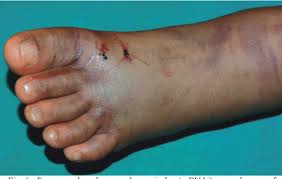
- Primarily through the bite of an infected animal.
- Less commonly, through scratches, licks on broken skin or mucous membranes (eyes, nose, mouth), or exposure to infected saliva.
- While rare, transmission through organ transplantation has been reported.
- It is important to understand that human-to-human transmission is very rare, and through bites or saliva is theoretically possible but has never been confirmed.
- Reservoir Animals:
- Dogs are the primary source of human rabies deaths globally.
- Other animals that can transmit rabies include bats, foxes, skunks, raccoons, and other wild carnivores.
Symptoms:
Rabies symptoms typically appear in two phases:
- Prodromal Phase (Initial Symptoms):
- Fever.
- Headache.
- Malaise (general feeling of discomfort).
- Pain or itching at the site of the bite.
- Anxiety.
- Acute Neurologic Phase (Advanced Symptoms):
- Encephalitis (inflammation of the brain).
- Hydrophobia (fear of water) due to painful spasms in the throat muscles.
- Aerophobia (fear of drafts or fresh air).
- Hallucinations.
- Agitation.
- Confusion.
- Paralysis.
- Coma.
- Death.
Diagnosis:
- Rabies diagnosis can be challenging, especially in the early stages.
- Tests include:
- Direct fluorescent antibody test (dFA) of brain tissue from infected animals.
- RT-PCR (reverse transcription-polymerase chain reaction) to detect the virus in saliva, cerebrospinal fluid, or skin biopsies.
- Antibody detection tests.
Treatment:
- Post-Exposure Prophylaxis (PEP):
- This is crucial for preventing rabies after exposure.
- PEP involves:
- Wound washing: Thoroughly washing the bite or scratch with soap and water for at least 15 minutes.
- Rabies immunoglobulin (RIG): Administered around the wound site.
- Rabies vaccine: A series of vaccine doses given over several weeks.
- PEP must be given as quickly as possible after exposure.
- Once clinical symptoms appear there is very little that can be done, and the disease is almost always fatal. There are extremely rare cases of people surviving rabies, but this is not the norm.
Prevention:
- Animal Vaccination:
- Vaccinating domestic animals, especially dogs and cats.
- Wildlife Control:
- Measures to control wildlife populations in areas where rabies is endemic.
- Public Education:
- Raising awareness about the risks of rabies and how to avoid animal bites.
- Avoiding Contact with Wild Animals:
- Especially those that appear sick or behave unusually.
Public Health Importance:
- Rabies is a devastating disease with a near-100% fatality rate once symptoms develop.
- Global efforts are focused on eliminating dog-mediated rabies.
- Improving access to PEP is crucial for saving lives.
- The world health organisation, has also targeted rabies for global elimination.
It is vital to seek immediate medical attention after any potential rabies exposure.
I hope this information is helpful.