Here’s a detailed overview of Zika virus disease:
Transmission:
- Mosquito-borne:
- The primary mode of transmission is through the bite of infected Aedes mosquitoes.
- Sexual Transmission:
- Zika can be transmitted from an infected person to their sexual partners.
- Mother-to-child Transmission:
- A pregnant woman infected with Zika can pass the virus to her fetus during pregnancy.
- Blood Transfusion:
- Transmission through blood transfusions is possible.
Symptoms:
Many people infected with Zika virus don’t develop any symptoms. When symptoms do occur, they are usually mild and can include:
- Fever
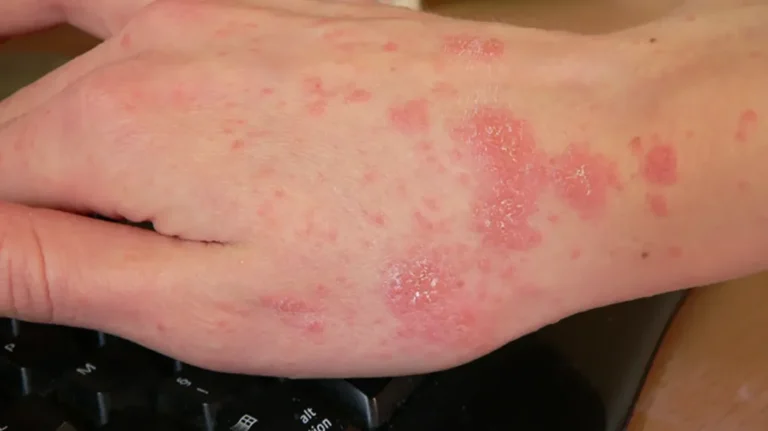
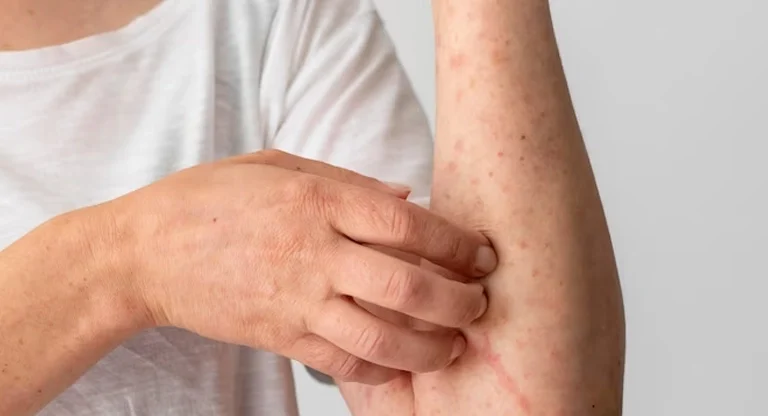
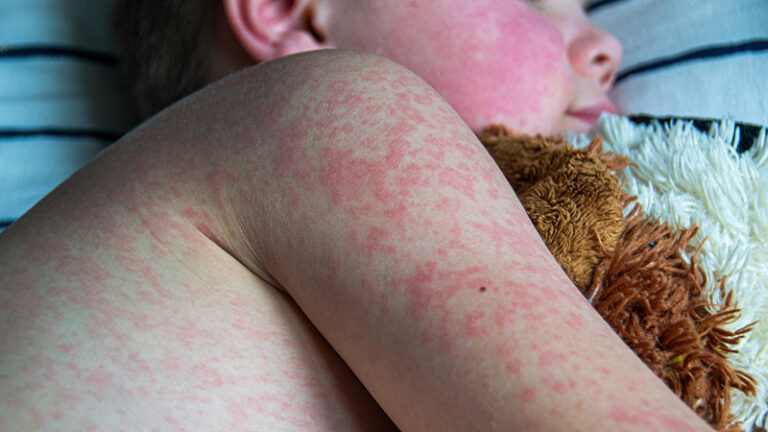
- Rash
- Joint pain
- Conjunctivitis (red eyes)
- Muscle pain
- Headache
Symptoms typically last for several days to a week.
Complications:
- Congenital Zika Syndrome:
- The most serious complication is the risk to developing fetuses. Zika virus infection during pregnancy can cause severe birth defects, including microcephaly (a condition where a baby’s head is much smaller than expected) and other brain abnormalities.
- Guillain-Barré Syndrome (GBS):
- Zika virus infection has also been linked to Guillain-Barré syndrome, a rare neurological disorder in which the body’s immune system damages nerve cells, causing muscle weakness and sometimes paralysis.
Diagnosis:
Zika virus infection can be diagnosed through:
Treatment:
There is no specific antiviral treatment for Zika virus disease. Treatment focuses on relieving symptoms:
- Rest
- Fluids
- Pain relievers (such as acetaminophen)
Prevention:
- Preventing Mosquito Bites:
- Using insect repellent (containing DEET, picaridin, or other EPA-registered repellents).
- Wearing long-sleeved shirts and pants.
- Staying in air-conditioned or screened-in rooms.
- Eliminating mosquito breeding sites (standing water).
- Preventing Sexual Transmission:
- Using condoms consistently and correctly.
- Abstaining from sexual activity.
- Prevention for Pregnant Women:
- Pregnant women and women planning to become pregnant should avoid travel to areas with Zika virus transmission.
- If travel is unavoidable, strict mosquito bite prevention measures are essential.
Public Health Importance:
- The association between Zika virus infection and severe birth defects has made it a significant public health concern.
- Ongoing surveillance and research are crucial for understanding and controlling the spread of Zika.
- Public education, and mosquito control programs are very important.
It’s important to stay informed about Zika virus and follow the recommendations of public health authorities.
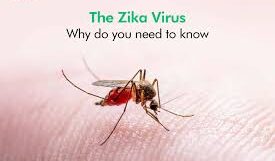 Zika virus disease, often simply referred to as Zika, is an illness caused by the Zika virus. It’s primarily transmitted through the bite of infected Aedes species mosquitoes, such as Aedes aegypti and Aedes albopictus. While many infections are asymptomatic, Zika poses a significant risk, particularly to pregnant women, due to its association with severe birth defects.