The Resilient Child: A Science-Backed Guide to Nurturing a Healthy Immune System
Introduction: Beyond Quick Fixes and Magic Bullets
In a world of hand sanitizer stations and cold-and-flu aisle overload, many parents are on a quest for the holy grail: a way to “boost” their child’s immune system. The reality is more nuanced—and more reassuring—than the search for a single superfood or supplement. A child’s immune system isn’t something to be artificially turbocharged; it is a sophisticated defense network that requires balanced nourishment, appropriate training, and a healthy foundation to function optimally.
This guide moves beyond myths and marketing to explore the evidence-based pillars of supporting pediatric immune resilience. We’ll cover nutrition, lifestyle, environment, and the crucial role of a balanced approach to germs and illness.
Part 1: Understanding the Pediatric Immune System: A Work in Progress
A child’s immune system is not a weaker version of an adult’s; it is an adaptive learning system. From the sterile environment of the womb, a newborn enters a world teeming with microbes. Each encounter—from a common cold to a scraped knee—teaches their immune system to distinguish friend from foe and to mount an appropriate, measured response.
The “Hygiene Hypothesis”: This well-supported theory suggests that overly sanitized environments in early childhood may deprive the immune system of the “training” it needs. This can potentially lead to an overactive response to harmless substances (allergies) or even the body’s own tissues (autoimmunity). The goal isn’t to seek out illness, but to allow for normal, age-appropriate microbial exposure.
The Goal is Balance, Not “Boost”: An overactive immune system can be as problematic as an underactive one. Our aim should be to support immune competence—the system’s ability to respond effectively to real threats without overreacting.
Part 2: The Foundational Pillars of Immune Support
1. Nutrition: Fueling the Defense Network
Food is the primary source of building blocks for immune cells and the gut microbiome, where approximately 70-80% of immune tissue resides.
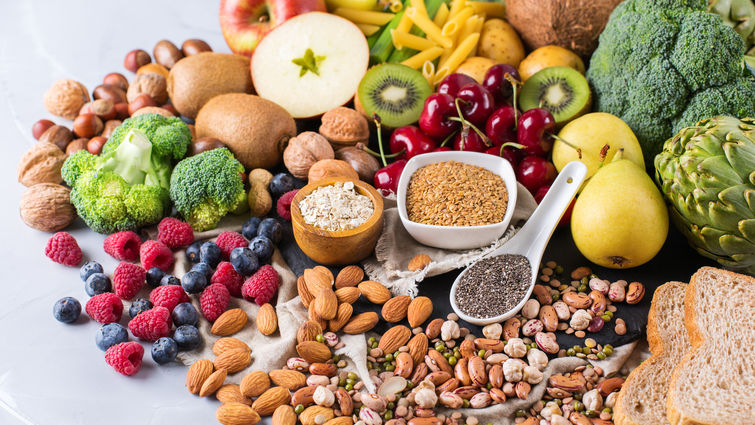
Color is Key: A rainbow of fruits and vegetables provides a wide spectrum of phytonutrients and antioxidants (like vitamins C and E, beta-carotene). These compounds help protect cells from damage and support immune cell function.
Examples: Berries, citrus, bell peppers, broccoli, spinach, sweet potatoes.
Prioritize Protein: Antibodies and immune cells are made of protein. Ensure adequate intake from diverse sources.
Examples: Lean meats, fish, eggs, beans, lentils, nuts (as age-appropriate), and dairy.
Healthy Fats are Essential: Omega-3 fatty acids (found in fatty fish, walnuts, flaxseeds) have potent anti-inflammatory properties. Monounsaturated fats (avocado, olive oil) support overall cell health.
The Gut-Immune Axis: The microbiome is a critical immune trainer. Feed it with:
Prebiotics: Fibers that feed good bacteria (asparagus, onions, garlic, bananas, oats).
Probiotics: Live beneficial bacteria (yogurt with live cultures, kefir, fermented foods like sauerkraut or kimchi for older children).
Key Minerals:
Zinc: Crucial for immune cell development and communication. Found in meats, shellfish, legumes, seeds.
Iron: Necessary for immune cell proliferation. Found in red meat, beans, fortified cereals, spinach (pair with vitamin C for better absorption).
What to Limit: Heavily processed foods, excessive added sugars, and artificial additives can promote gut dysbiosis and systemic inflammation, dampening immune function.
2. Sleep: The Non-Negotiable Reset
During deep sleep, the body releases proteins called cytokines that are essential for fighting infection and inflammation. Chronic sleep deprivation reduces the production of these protective cytokines.
Guidelines: Newborns (14-17 hrs), Toddlers (11-14 hrs), Preschoolers (10-13 hrs), School-age (9-12 hrs), Teens (8-10 hrs).
Strategy: Establish a consistent, calming bedtime routine free from screens at least an hour before bed.
3. Physical Activity: The Immune Stimulant
Regular, moderate exercise promotes good circulation, which allows immune cells to move through the body more efficiently. It also helps manage stress hormones.
Aim for at least 60 minutes of active play daily for children. It doesn’t need to be structured—running, climbing, dancing, and sports all count.
4. Stress Management: Cortisol and Immunity
Chronic stress elevates cortisol, a hormone that can suppress immune function over time. Children experience stress from academic pressure, social dynamics, and overscheduling.
Tools for Resilience: Ensure ample unstructured playtime, teach simple breathing exercises (“smell the flower, blow out the candle”), encourage creative expression, and model healthy coping mechanisms. A strong, secure attachment to caregivers is a foundational buffer against toxic stress.
5. Environment & Exposure
The Power of Play Outdoors: Dirt, grass, and fresh air expose children to a diverse array of microbes and offer vitamin D from sunlight—a critical immune modulator.
Smart Hygiene: Wash hands with soap and water before eating and after using the bathroom or blowing a nose. This prevents the spread of pathogens without creating a sterile bubble. Reserve hand sanitizer for situations without soap and water.
Avoid Secondhand Smoke: It is profoundly damaging to a child’s respiratory tract and immune defenses.
Part 3: Navigating Supplements and Illness
The Supplement Question
A balanced diet should always be the primary source of nutrients. However, certain supplements may be considered under the guidance of a pediatrician:
Vitamin D: Many children are deficient, especially in winter or with limited sun exposure. It is vital for immune regulation.
Probiotics: May be helpful during/after antibiotic use or for specific digestive issues.
A General Multivitamin: Can be an “insurance policy” for picky eaters, but is not a substitute for a poor diet.
⚠️ Important: Avoid megadoses, unproven “immune-boosting” blends, and adult formulations. More is not better and can be harmful.
The Role of Illness: Reframing the “Always Sick” Phase
It is developmentally normal for young children, especially those in daycare or preschool, to experience 6-8 upper respiratory infections (colds) per year. Each one is literally educating their immune system. Focus on managing symptoms, ensuring hydration and rest, and knowing when to call the doctor (e.g., high fever, difficulty breathing, lethargy).
Vaccination: The Ultimate Immune “Training”
Vaccines are one of the greatest public health achievements for a reason. They safely introduce the immune system to a weakened or inactivated part of a pathogen, allowing it to develop protective memory cells without causing the full-blown disease. This is the most effective and scientifically validated way to create long-term immunity against dangerous illnesses.
Part 4: What to Avoid: The “Immune-Boosting” Pitfalls
Over-Sanitizing the Home: Using antibacterial soaps and sprays constantly disrupts the home microbiome. Regular soap and water for cleaning surfaces and hands is sufficient.
Keeping Them in a Bubble: While it’s wise to avoid obviously sick contacts during peak flu season, preventing all social interaction and outdoor play is counterproductive.
Pushing Unproven Remedies: Elderberry, echinacea, and Airborne® have limited and mixed evidence for prevention in children and are not regulated by the FDA for safety and efficacy. Always consult a pediatrician first.
Neglecting Mental Health: Anxiety and chronic stress are significant immune suppressors. A child’s emotional well-being is inextricably linked to their physical health.
Conclusion: Cultivating Resilience, Not Fear
Supporting a child’s immune system is not about creating an impenetrable fortress. It is about cultivating a resilient, adaptable, and well-trained defense force. This is achieved through the consistent, daily practices of a healthy lifestyle: nourishing food, restorative sleep, joyful movement, managed stress, and appropriate exposure to the microbial world.
Trust that the occasional cold is a sign of a system hard at work, learning. Partner with your pediatrician for personalized advice, stay up-to-date on vaccines, and focus on creating a healthy, loving, and active family environment. In doing so, you are not “boosting” your child’s immune system—you are giving it the foundational support it needs to develop strength and intelligence for a lifetime.
Disclaimer: This article is for informational purposes only and does not constitute medical advice. Always consult your child’s pediatrician for health-related decisions, including dietary changes and supplement use.