How to Stop a Nosebleed: A First Aid Guide for Every Situation
Introduction: A Common Emergency
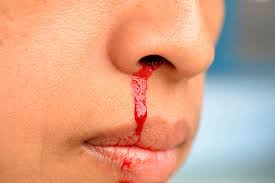
Few first aid situations are as common, startling, and seemingly messy as a nosebleed (medically termed epistaxis). While the sight of blood can be alarming, the vast majority of nosebleeds are minor, manageable at home, and are not a sign of a serious medical problem. They are caused by the rupture of delicate, superficial blood vessels in the front of the nose, an area known as Little’s area or Kiesselbach’s plexus.
This detailed guide will walk you through the evidence-based steps to stop a nosebleed correctly, explain what not to do, and outline when it’s time to seek professional medical help. Knowledge of proper technique can prevent unnecessary trips to the ER and provide calm, effective care for yourself, your child, or anyone in need.
Part 1: The Two Main Types of Nosebleeds
Understanding the type helps guide treatment and urgency.
Anterior Nosebleed (Most Common – 90% of cases):
Origin: Bleeding originates from blood vessels in the front of the nasal septum (the wall dividing the two nostrils).
Characteristics: Blood usually flows out one nostril. It is typically easier to control with direct pressure.
Common Causes: Dry air (especially in winter), nose picking (especially in children), forceful blowing, minor injury, sinus infections, allergies, and certain medications (like blood thinners, aspirin, or nasal steroid sprays).
Posterior Nosebleed (Less Common, More Serious):
Origin: Bleeding originates from larger, deeper vessels in the back of the nose, higher up in the nasal cavity near the throat.
Characteristics: Blood often flows down the back of the throat even when sitting upright. It can be heavy, difficult to control, and may require posterior nasal packing. More common in older adults, people with hypertension (high blood pressure), atherosclerosis, or after significant facial trauma.
Action: Often requires emergency medical attention.
Part 2: Step-by-Step First Aid Protocol (The “Do’s”)
Follow these steps in order. The key principles are proper positioning and sustained, direct pressure.
Step 1: Stay Calm and Get into Position.
Step 2: Apply Direct, Pinching Pressure.
Use your thumb and index finger to pinch the soft, fleshy part of the nose (just below the hard, bony bridge).
Pinch firmly, completely closing both nostrils. The person can breathe through their mouth.
Maintain constant pressure for a full 10-15 minutes. Do not release to check if bleeding has stopped. Use a clock or timer. Releasing early restarts the clotting process.
Step 3: Use Cold Compress (Adjuvant Therapy).
While pinching, apply a cold pack or ice wrapped in a thin cloth to the bridge of the nose and cheeks.
Why? The cold constricts (tightens) blood vessels, which can help slow the bleeding. It’s a supportive measure, not a replacement for pinching.
Step 4: Release and Assess.
After 10-15 minutes of uninterrupted pressure, release the pinch gently.
If bleeding continues, repeat Steps 2 and 3 for another 10-15 minutes. If it persists after two full rounds of proper pressure, it’s time to seek medical care.
Step 5: Post-Bleeding Care.
Part 3: Critical Mistakes to Avoid (The “Don’ts”)
These common errors can prolong bleeding or create complications.
❌ DO NOT tilt the head back or lie down. This causes blood to drain into the stomach (causing nausea and vomiting) or the lungs (a serious aspiration risk).
❌ DO NOT pack the nose with tissue, gauze, or cotton and then pinch over it. This is less effective than direct pinching of the nostrils and can scrape the clot away when removed. If medical-grade nasal sponges or tampons (like Rapid Rhino®) are available and you are trained, they can be used, but pinching is the first-line technique.
❌ DO NOT blow the nose during or immediately after a bleed.
❌ DO NOT probe or pick inside the nose to check on the clot.
❌ AVOID bending over, straining, or strenuous activity for the rest of the day.
❌ DO NOT use home remedies like stuffing with vinegar-soaked cotton or applying pressure to the forehead—these are ineffective.
Part 4: Prevention Strategies
For recurrent, simple nosebleeds, prevention focuses on moisture and gentle care:
Humidify: Use a cool-mist humidifier in bedrooms, especially during dry winter months.
Moisturize: Apply a thin layer of petroleum jelly or a saline-based nasal gel inside the nostrils twice a day.
Gentle Hygiene: Trim children’s fingernails and discourage nose picking. Use saline sprays for congestion instead of forceful blowing.
Protective Gear: Use appropriate safety equipment during sports or activities with a risk of facial injury.
Part 5: When to Seek Emergency Medical Help
While most nosebleeds are benign, certain signs indicate a need for professional evaluation.
Seek immediate medical attention if:
The bleeding continues for more than 20-30 minutes despite correct first aid.
The bleeding is extremely heavy, or the person is swallowing large amounts of blood.
The nosebleed is the result of a serious injury (like a car accident, fall, or a punch to the face).
The person feels faint, weak, dizzy, or has trouble breathing.
The person is vomiting blood (which may be swallowed blood from the nose).
The person has a known bleeding disorder (like hemophilia) or is on blood-thinning medication (e.g., warfarin, clopidogrel, high-dose aspirin) and the bleeding does not stop quickly.
You suspect a posterior nosebleed (blood flowing heavily down the throat).
Consult a doctor soon if:
Nosebleeds are frequent and recurring (more than once a week).
The nosebleeds began after starting a new medication.
There are other signs of a bleeding problem, like easy bruising or bleeding gums.
Conclusion: Confidence in a Common Crisis
Nosebleeds are a classic example of a medical event where correct, simple first aid makes all the difference. By remembering to “Sit, Lean, Pinch, and Hold,” you can effectively manage nearly all common anterior nosebleeds. This knowledge empowers you to act swiftly, reduce panic, and prevent unnecessary complications. Keep calm, apply pressure, and know when to call for help—you’ve got this.
Disclaimer: This article is for informational purposes only and is not a substitute for professional medical advice, diagnosis, or treatment. Always seek the advice of your physician or other qualified health provider with any questions you may have regarding a medical condition or emergency.