The Persistent Ache: A Comprehensive Guide to Chronic Stomach Pain in Children
Introduction: Beyond the “Tummy Ache”
Chronic abdominal pain in a child is one of the most common and perplexing challenges in pediatrics. It is defined as pain that persists for more than two months, occurring intermittently or constantly. Unlike acute pain from a virus or appendicitis, chronic pain often lacks clear physical signs, living in a gray area between physical illness and emotional distress. For the estimated 10-15% of school-aged children who experience it, this pain is very real, disrupting school attendance, social activities, and family life. It represents not just a symptom, but a complex dialogue between the gut, the brain, and the nervous system.
This guide provides a detailed, systematic exploration of chronic pediatric abdominal pain, its diverse causes (both organic and functional), diagnostic pathways, and holistic management strategies.
Part 1: Understanding the Landscape – Functional vs. Organic Pain
The first critical distinction healthcare providers make is between functional and organic disorders. This framework is essential for diagnosis and treatment.
Functional Gastrointestinal Disorders (FGIDs): These account for over 90% of cases of chronic abdominal pain in children. There is no identifiable structural, inflammatory, or biochemical abnormality on standard testing (like blood work, ultrasound, or endoscopy). The pain arises from a dysregulation in the gut-brain axis—how the brain and digestive system communicate and interact. The pain is genuine, but its origin is in how the gut functions and senses pain, not from tissue damage.
Organic Disorders: These account for a smaller percentage of cases. Pain is caused by an identifiable disease process, such as inflammation, infection, anatomical abnormality, or metabolic issue. These require specific medical or surgical treatment.
Part 2: Common Causes of Chronic Abdominal Pain
A. Functional Gastrointestinal Disorders (The Most Common Culprits)
Functional Abdominal Pain (FAP) and Functional Abdominal Pain Syndrome (FAPS):
Description: The hallmark FGID. Pain is frequent and severe enough to interfere with daily activities. There is no clear link to eating, bowel movements, or other gastrointestinal symptoms.
Key Feature: Heightened visceral hypersensitivity—the gut’s nerves are overly sensitive, interpreting normal movements and functions as painful. Often co-occurs with anxiety.
Irritable Bowel Syndrome (IBS):
Description: Abdominal pain is associated with a change in bowel habits. The pain is relieved by defecation or is linked to a change in stool frequency or form (constipation, diarrhea, or both).
Subtypes: IBS-C (constipation-predominant), IBS-D (diarrhea-predominant), IBS-M (mixed).
Functional Dyspepsia:
Abdominal Migraine:
Description: Episodic, intense, midline abdominal pain lasting hours to days, with complete resolution between attacks. Often associated with pallor, nausea, vomiting, headache, or photophobia. There is frequently a family history of migraines.
Functional Constipation (with Overflow):
Description: Often the hidden cause of chronic pain. A large stool mass in the rectum (fecal impaction) causes colicky pain, bloating, and loss of appetite. Liquid stool can leak around the impaction, leading to “paradoxical diarrhea” that can be mistaken for true diarrhea.
B. Organic (Medical) Causes (Less Common but Important to Rule Out)
These require a “red flag” workup if suggestive symptoms are present.
Inflammatory Bowel Disease (IBD):
Crohn’s Disease & Ulcerative Colitis. Signs include pain, weight loss, growth failure, bloody diarrhea, fatigue, and mouth sores. Pain is often persistent and worse with eating.
Celiac Disease:
An autoimmune reaction to gluten. Symptoms include abdominal pain, bloating, diarrhea, poor growth, fatigue, and sometimes a characteristic rash (dermatitis herpetiformis).
Food Allergies & Intolerances:
IgE-Mediated Allergy (e.g., milk, egg, peanut): Causes acute, often dramatic symptoms (hives, vomiting, wheezing) shortly after ingestion.
Non-IgE-Mediated Intolerance (e.g., lactose intolerance, fructose malabsorption): Causes delayed bloating, gas, cramping, and diarrhea. Can be chronic if the trigger food is consumed regularly.
Helicobacter pylori Gastritis:
Anatomical & Surgical Causes:
Malrotation with Volvulus (a surgical emergency in acute onset).
Intussusception (more acute, but can have recurrent forms).
Chronic Appendicitis (rare but possible).
Hernias (umbilical, inguinal).
Gynecological Causes (in Adolescent Females):
Other Systemic Conditions:
Part 3: The Diagnostic Journey: Clues and “Red Flags”
Diagnosis relies heavily on a thorough history and physical exam. Testing is used selectively to rule out organic causes.
The “Alarm” or “Red Flag” Symptoms that warrant immediate and more extensive investigation:
Pain that awakens the child from sleep.
Persistent pain localized away from the umbilicus (especially in the right lower or upper quadrants).
Difficulty or pain with swallowing (dysphagia).
Persistent vomiting, especially bilious (green) or bloody.
Chronic, severe diarrhea or nocturnal diarrhea.
Unexplained fever or weight loss/growth failure.
Delayed puberty.
Family history of Inflammatory Bowel Disease (IBD) or Celiac Disease.
Blood in stool.
Arthritis, mouth ulcers, or perianal disease (fissures, skin tags).
The Diagnostic Process:
Detailed History: Pain diary (location, timing, relation to food/stool, character), dietary review, family history, school/social stress review.
Physical Exam: Growth chart analysis is critical. Abdominal palpation, perianal inspection.
Limited, Targeted Testing: Based on history and exam, may include: CBC, ESR/CRP (inflammatory markers), celiac serology, stool studies for infection/calprotectin, abdominal ultrasound, lactose breath test.
Specialist Referral: To pediatric gastroenterology for persistent pain with red flags or poor response to first-line management. Procedures like endoscopy/colonoscopy may be considered.
Part 4: The Biopsychosocial Model of Management
Successful treatment, especially for FGIDs, requires a multi-pronged approach that addresses both physical and psychological factors.
1. Reassurance and Validation:
The first and most critical step. Explicitly tell the child and family, “The pain is real, it is not in your child’s head, and we believe you.” Explain the gut-brain axis in simple terms (e.g., “Your gut’s alarm system is too sensitive”).
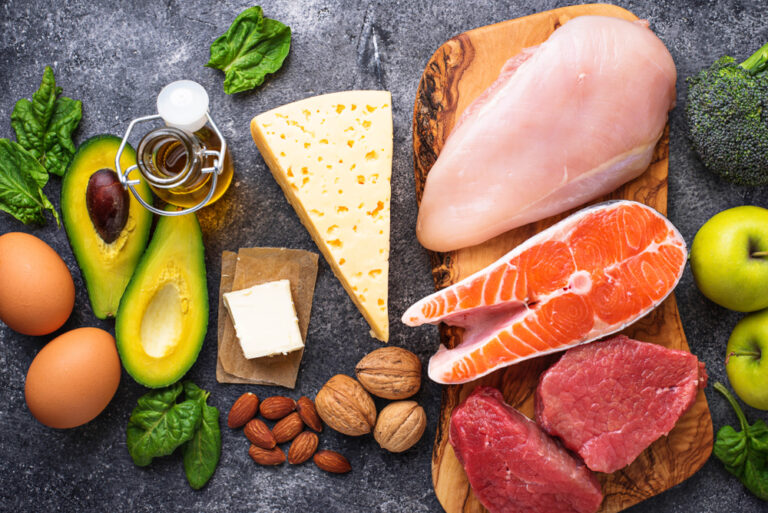
2. Dietary Modifications:
Fiber Increase & Hydration: For constipation-predominant pain.
Trial of Lactose Restriction: If lactose intolerance is suspected.
Low FODMAP Diet (under guidance): A structured, temporary elimination diet for IBS, supervised by a pediatric dietitian to avoid nutritional deficiencies.
Small, Frequent Meals: For functional dyspepsia.
3. Pharmacological Interventions (Used Sparingly & Strategically):
Stool Softeners/Laxatives (Polyethylene Glycol): First-line for functional constipation.
Acid Suppressors (PPIs/H2 Blockers): For suspected dyspepsia or gastritis.
Antispasmodics: For acute cramping.
Low-Dose Tricyclic Antidepressants (e.g., Amitriptyline): In low, non-psychiatric doses, these can be highly effective for FGIDs by modulating visceral pain signals and improving sleep. This is a specialist-prescribed treatment.
4. Behavioral and Psychological Therapies (Core Treatment for FGIDs):
Cognitive Behavioral Therapy (CBT): Gold standard for teaching pain coping skills, challenging catastrophic thoughts, and managing anxiety.
Gut-Directed Hypnotherapy: Emerging as a highly effective, evidence-based treatment that directly targets gut hypersensitivity.
Relaxation & Biofeedback: Teaches diaphragmatic breathing and relaxation techniques to reduce the “fight-or-flight” response that exacerbates pain.
5. School & Lifestyle Support:
Develop a school plan to allow bathroom access and a quiet place for pain episodes.
Encourage normalized activity—staying home reinforces disability; attending school and activities (even with some pain) improves function.
Address parental anxiety, which can unintentionally reinforce the pain cycle.
Conclusion: A Path Forward with Compassion and Science
Chronic stomach pain in a child is a journey that tests a family’s resilience. It demands a shift from the singular question, “What’s the cause?” to the more empowering, “How can we manage this and restore function?”
The path forward lies in a collaborative partnership between the family, pediatrician, and often a specialist team. By combining medical evaluation to rule out serious disease with a robust, multidisciplinary approach centered on the gut-brain connection, most children can achieve significant improvement. The goal is not necessarily a pain-free life, but a life where pain does not hold the reins—where a child can fully engage in the world of learning, friendship, and play.
Disclaimer: This article is for informational purposes only and is not a substitute for professional medical advice, diagnosis, or treatment. Always seek the advice of your pediatrician or other qualified health provider with any questions regarding your child’s medical condition.