Period Pains: A Comprehensive Guide to Dysmenorrhea—From Understanding to Empowerment
Introduction: More Than “Just Cramps”
For over 80% of menstruating individuals at some point in their lives, the monthly cycle is accompanied by period pain—medically known as dysmenorrhea. Often dismissed as a normal, if inconvenient, part of womanhood, this pain can range from a mild ache to a debilitating condition that disrupts school, work, and daily life for days each month. Understanding the biological mechanisms behind period pain, differentiating between its types, and knowing the full spectrum of evidence-based management strategies is essential for health, autonomy, and quality of life.
This detailed guide moves beyond the cultural minimization of menstrual pain to explore its causes, classifications, and the comprehensive toolkit available for effective relief and long-term management.
Part 1: The Biology of the Pain: What’s Actually Happening?
Menstrual pain is not a mystery; it is a direct physiological response to the process of menstruation itself.
The Primary Culprit: Prostaglandins. These are hormone-like lipid compounds released from the lining of the uterus (endometrium) as it prepares to shed. Prostaglandins have a crucial job: they cause the uterine muscle (myometrium) to contract strongly. These contractions help expel the uterine lining.
The Pain Cascade: High levels of prostaglandins trigger intense, spasmodic uterine contractions. These contractions temporarily compress blood vessels lining the uterus, cutting off the oxygen supply to the uterine muscle tissue. This brief oxygen deprivation (ischemia) is what registers in the nervous system as cramping pain—often described as a squeezing, aching, or stabbing sensation in the lower abdomen.
Systemic Effects: Excess prostaglandins entering the bloodstream can cause the other common symptoms of primary dysmenorrhea: nausea, vomiting, diarrhea, headaches, and even lightheadedness.
Part 2: Classifying the Pain: Primary vs. Secondary Dysmenorrhea
Not all period pain is the same. The critical distinction lies in its root cause.
1. Primary Dysmenorrhea
Definition: Painful menstruation in the absence of any identifiable pelvic disease. It is a functional disorder tied directly to the ovulation cycle.
Onset: Typically begins within 6-12 months of menarche (first period), once ovulatory cycles are established.
Pattern: Pain usually starts just before or as bleeding begins, peaks during the first 24-72 hours of flow, and then subsides. It is often most severe in adolescence and young adulthood and may improve after childbirth.
Key Takeaway: The pain is caused by normal uterine activity driven by prostaglandins. It is real and significant, but its origin is in the menstrual process itself, not an underlying disease.
2. Secondary Dysmenorrhea
Definition: Menstrual pain caused by an underlying disorder or infection in the reproductive organs.
Onset: Usually develops later in life (after age 25). Pain often starts earlier in the menstrual cycle (e.g., days before the period), lasts longer, and may not align neatly with the heaviest flow.
Underlying Causes (Must Be Diagnosed by a Doctor):
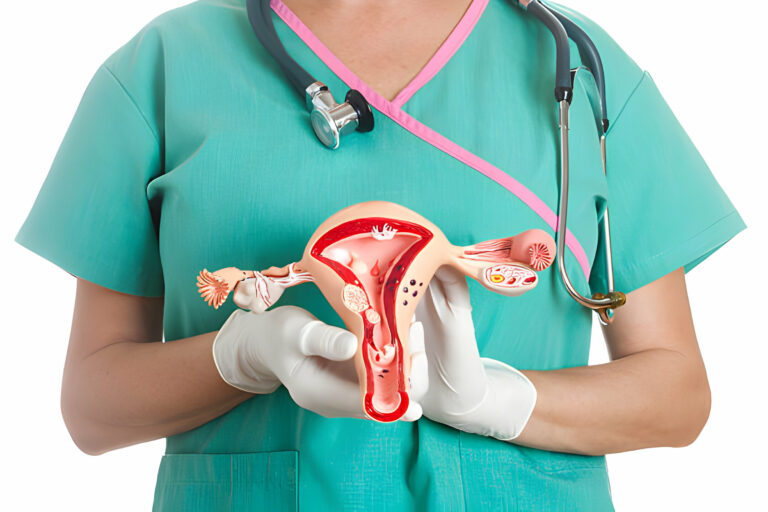
Endometriosis: The most common cause of secondary dysmenorrhea. Tissue similar to the uterine lining grows outside the uterus (on ovaries, fallopian tubes, bladder), causing inflammation, scarring, and severe pain.
Adenomyosis: Uterine lining tissue grows into the muscular wall of the uterus, causing an enlarged, tender uterus and heavy, painful periods.
Uterine Fibroids: Non-cancerous muscular tumors in the uterine wall can cause pressure, heavy bleeding, and cramping.
Pelvic Inflammatory Disease (PID): A chronic infection, often from sexually transmitted bacteria, causing scarring and pain.
Cervical Stenosis: A narrow cervical opening that impedes menstrual flow, causing painful pressure.
Key Takeaway: The pain is a symptom of a separate medical condition that requires specific diagnosis and treatment.
Red Flags Suggesting Secondary Dysmenorrhea:
Pain that begins after age 25.
Pain that worsens over time.
Pain that occurs outside of menstruation (e.g., during ovulation, intercourse, bowel movements).
Extremely heavy bleeding (menorrhagia) or clotting.
Lack of response to NSAID pain relievers or hormonal birth control.
Part 3: The Multimodal Management Toolkit
Effective management requires a personalized, often layered approach. The strategy differs for primary versus secondary dysmenorrhea.
A. First-Line Therapies for Primary Dysmenorrhea
Pharmacological: The Gold Standard – NSAIDs
How They Work: Non-Steroidal Anti-Inflammatory Drugs (e.g., ibuprofen, naproxen sodium) work by inhibiting the production of prostaglandins. They are most effective when taken at the first sign of pain or bleeding, not after pain is severe.
Protocol: Take with food. Follow dosing instructions. Starting a day before the expected period can be a proactive strategy for those with predictable cycles.
Thermotherapy (Heat):
Applying a heating pad, hot water bottle, or adhesive heat patch to the lower abdomen or back is as effective as ibuprofen for many people. Heat increases blood flow, relaxes muscles, and provides soothing sensory input that can override pain signals.
Hormonal Contraceptives:
How They Work: Birth control pills, patches, rings, hormonal IUDs, and implants suppress ovulation and thin the uterine lining, leading to dramatically lower prostaglandin production.
Result: Often leads to lighter, shorter, and significantly less painful periods, or the elimination of periods altogether (with continuous or extended-cycle use). This is both a treatment and a preventive strategy.
B. Complementary & Lifestyle Strategies (Evidence-Based)
Regular Exercise: Consistent aerobic exercise releases endorphins (natural painkillers) and can reduce the severity of cramps over time. Gentle movement like walking or yoga during menstruation can help.
Dietary Modifications:
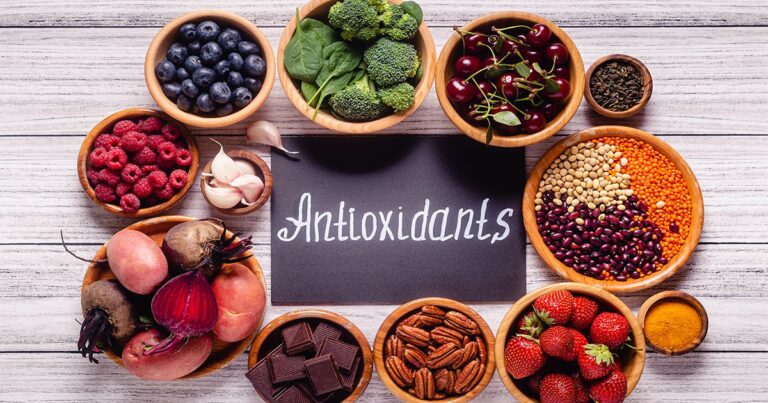
Increase: Omega-3 fatty acids (fatty fish, flaxseeds), magnesium (leafy greens, nuts, dark chocolate), and zinc.
Limit: Pro-inflammatory foods: high amounts of sugar, refined carbs, trans fats, and excessive caffeine and alcohol, especially in the days before your period.
Transcutaneous Electrical Nerve Stimulation (TENS): A portable, drug-free device that uses low-voltage electrical currents to block pain signals from reaching the brain. Specially designed period pain TENS units are available.
Behavioral & Mind-Body Techniques:
Cognitive Behavioral Therapy (CBT): Can help change pain perception and develop coping skills.
Acupuncture & Acupressure: Some studies show efficacy in reducing pain intensity.
Mindfulness & Relaxation: Deep breathing, meditation, and guided imagery can reduce the stress-anxiety component that worsens pain perception.
C. Management of Secondary Dysmenorrhea
Treatment must target the underlying condition:
Endometriosis/Adenomyosis: Managed with hormonal therapies (progestins, GnRH agonists), NSAIDs, and potentially laparoscopic surgery to excise lesions.
Fibroids: Options range from hormonal management to uterine artery embolization or surgical removal (myomectomy).
PID: Requires antibiotic treatment.
Consultation with a gynecologist is mandatory for diagnosis, which may involve a pelvic exam, ultrasound, or laparoscopy.
Part 4: When to See a Doctor: Beyond Self-Care
It is time to seek professional medical evaluation if you experience:
Pain that severely limits daily activities every month.
Pain that is not relieved by over-the-counter NSAIDs.
Any of the “red flag” symptoms of secondary dysmenorrhea listed above.
New onset of severe pain if you are over 30.
Suspected allergic reaction or side effects to pain medication.
A desire to explore hormonal treatment options.
Advocate for yourself. Dismissive comments like “it’s just part of being a woman” are not acceptable medical care. You deserve a provider who takes your pain seriously and works with you to find a solution.
Conclusion: Reclaiming Agency Over Menstrual Health
Period pain, while common, should not be normalized to the point of silent suffering. Whether it is primary dysmenorrhea managed with heat and NSAIDs or secondary dysmenorrhea requiring specialized care, effective solutions exist. Empowerment comes from understanding your own cycle, tracking your symptoms, and having the knowledge to partner effectively with healthcare providers.
By moving the conversation from stigma and endurance to one of biology and management, we can transform the menstrual experience from a monthly trial into a manageable aspect of health, allowing individuals to live fully in every phase of their cycle.
Resources & Further Reading:
American College of Obstetricians and Gynecologists (ACOG): Patient information on dysmenorrhea.
The Endometriosis Foundation of America: Resources for diagnosis and care.
Books: The Period Repair Manual by Lara Briden, ND; Taking Charge of Your Fertility by Toni Weschler.
Disclaimer: This article is for informational purposes only and is not a substitute for professional medical advice, diagnosis, or treatment. Always seek the advice of your physician or other qualified health provider with any questions you may have regarding a medical condition.