Milk Teeth to Mighty Teeth: A Complete Guide to Primary and Permanent Dentition
Introduction: The Blueprint of a Smile
The development of a child’s teeth is a meticulously orchestrated biological process, a landmark of growth as significant as their first steps or words. The journey from the first tiny “milk tooth” to a full set of 32 permanent teeth spans over two decades and lays the foundation for a lifetime of oral health, nutrition, and speech. Understanding this progression—the timing, purpose, and care required at each stage—empowers parents to become active partners in their child’s dental development, preventing problems and fostering confidence in a healthy smile.
This comprehensive guide details the eruption and shedding of primary (deciduous) teeth, the emergence of permanent teeth, and the critical oral care practices needed throughout childhood and adolescence.
Part 1: The Primary Dentition – The “Milk Teeth”
Function and Importance: More Than Just Placeholders
Primary teeth, often called baby or milk teeth, are far from disposable. They are essential for:
Nutrition: Chewing and proper digestion of solid foods.
Speech Development: Guiding the tongue to form sounds and words.
Facial Structure: Providing support for the developing facial muscles and bones.
Space Maintenance: Holding the correct space in the jaw for the underlying permanent teeth to erupt properly. Premature loss due to decay can lead to severe crowding later.
Eruption Timeline: A General Guide
Teeth erupt in pairs, typically starting with the lower central incisors. The following chart provides average ages, but a 6-12 month variation is completely normal. The sequence is often more important than the exact timing.
Primary Teeth Eruption Chart (20 Teeth Total)
Key Milestone: By age 3, most children have a full set of 20 primary teeth.
Teething Symptoms: Drooling, gum rubbing, irritability, and mild fever can accompany eruption. Provide chilled (not frozen) teething rings and gentle gum massage for relief.
Part 2: The Transition: The Mixed Dentition Phase (Ages 6-12)
This is the dynamic period when primary teeth are shed (“exfoliated”) and permanent teeth erupt. The mouth contains a mix of both sets.
The Process of Shedding:
A permanent tooth developing underneath the roots of a primary tooth slowly resorbs (dissolves) those roots. Once the roots are gone, the primary tooth becomes loose and falls out painlessly. Never forcibly pull a tooth; let it come out naturally to avoid damage or infection.
Permanent Teeth Eruption Timeline (28-32 Teeth Total)
The first permanent molars erupt behind the last primary molars, not by replacing any tooth. They are often called the “6-year molars” and are critically important for the future bite.
Key Milestones:
Age 6: Eruption of first permanent molars and loss of lower central incisors.
Ages 10-13: Most primary teeth are shed, and premolars/canines erupt.
Age 12-13: Second permanent molars erupt.
Age 21: The dentition is typically complete, with or without wisdom teeth.
Part 3: Critical Considerations During Development
1. The Importance of the “6-Year Molar”:
These first permanent molars are the keystone of the dental arch. They are highly prone to decay because they erupt early, have deep grooves, and are difficult for a child to clean. Sealants—a protective plastic coating applied by a dentist—are strongly recommended to prevent cavities on these and other molars.
2. Managing Common Concerns:
Early or Late Eruption: Significant delays (beyond 12-18 months of the average) should be evaluated by a dentist. It may be due to genetics, missing teeth (congenital absence), or systemic factors.
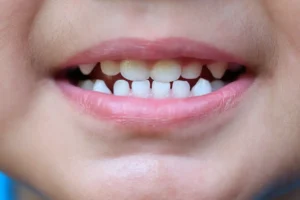
“Shark Teeth”: The permanent tooth erupts behind the still-firm primary tooth, creating a double row. This is common with lower incisors. Usually, the primary tooth will loosen and fall out on its own. If it remains for more than a few weeks, a dentist may need to extract it.
Spacing: Gaps between primary teeth (primate spaces) are normal and desirable, as they provide necessary room for larger permanent teeth. Lack of spacing can predict future crowding.
Teeth Erupting Crooked: Some misalignment is normal during the mixed dentition phase and often self-corrects as the jaw grows and other teeth erupt. An orthodontic evaluation is recommended by age 7 to assess jaw growth and tooth relationships.
3. The Impact of Premature Loss:
If a primary tooth is lost too early due to decay or trauma, a space maintainer may be required. This simple dental appliance holds the space open to prevent neighboring teeth from shifting and blocking the permanent tooth’s path.
Part 4: Lifelong Oral Care Habits by Stage
Birth to First Tooth:
First Tooth to Age 3:
Use a soft, infant-sized toothbrush with a smear of fluoride toothpaste (no larger than a grain of rice).
Brush twice daily, supervised.
First dental visit by first birthday or within 6 months of first tooth eruption.
Ages 3-6:
Use a pea-sized amount of fluoride toothpaste.
Supervise and assist brushing, ensuring all surfaces are cleaned. Children lack the manual dexterity to brush effectively alone until about age 8.
Begin gentle flossing once teeth are touching.
Ages 6-12 (Mixed Dentition):
Continue supervised brushing and flossing. Pay special attention to erupting molars.
Discuss sealants with your dentist.
Regular dental check-ups every 6 months.
Wear a mouthguard for sports.
Adolescence (12+):
Maintain rigorous hygiene to combat risks from orthodontics, diet, and hormonal changes.
Monitor wisdom tooth development via dental X-rays.
Conclusion: A Foundation for a Lifetime
The journey from milk teeth to permanent teeth is a map of childhood growth. By understanding this timeline, parents can proactively safeguard their child’s oral health at every turn. Consistent, age-appropriate care, a balanced diet low in sugary drinks and snacks, and a strong partnership with a pediatric dentist are the pillars that ensure primary teeth fulfill their vital roles and permanent teeth last a lifetime. This knowledge transforms the process from a series of random events into a guided journey toward a healthy, confident, and permanent smile.
Key Takeaways for Parents:
First dental visit by age 1.
Supervise brushing until at least age 8.
Prioritize care for the “6-year molars” with sealants.
Space in primary teeth is good; crowding is a concern.
Never ignore decay in a “baby tooth”—it matters.
Disclaimer: This article is for informational purposes only and is not a substitute for professional dental advice, diagnosis, or treatment. Always seek the advice of your pediatric dentist or other qualified health provider with any questions you may have.