Fever in Children: A Comprehensive Guide to Its Meaning, Management, and When to Worry
Introduction: Fever as a Messenger, Not a Monster
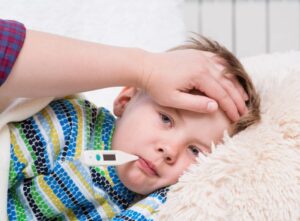
In the quiet of the night, a parent’s hand against a child’s forehead confirms a primal fear: the child has a fever. This physiological response, often met with anxiety, is one of the most misunderstood aspects of pediatric health. Fever is not an illness itself but a cardinal sign of the immune system at work—a sophisticated defense mechanism orchestrated by the body to fight infection. Understanding what a fever symbolizes, how to manage it appropriately, and when it signals true danger can transform parental fear into informed action, ensuring children receive the care they need without unnecessary interventions.
This detailed guide explores the biology of fever, its diverse causes, evidence-based management, and the critical distinctions between a benign fever and a medical emergency.
Part 1: The Biology of Fever – The Body’s Thermostat in Action
Fever is defined as a temporary elevation in the body’s core temperature, usually in response to a disease process. The medical threshold for fever is generally 100.4°F (38°C) or higher when measured rectally in infants, or 100°F (37.8°C) orally in older children.
The Hypothalamus: The Body’s Thermostat
Deep within the brain, the hypothalamus regulates body temperature, maintaining a stable set-point around 98.6°F (37°C). When the body detects an invader (like a virus or bacteria), immune cells release signaling proteins called pyrogens (e.g., interleukin-1).
The Process: Pyrogens travel to the hypothalamus and reset the body’s internal thermostat to a higher level. The body then works to achieve this new temperature through:
Shivering (muscle contractions to generate heat).
Vasoconstriction (blood vessels in the skin narrow to conserve heat, causing pale, cool skin and the sensation of chills).
The Purpose: Once the new, higher temperature is reached, the child feels hot to the touch. The fever is now actively serving its defensive roles.
Why the Body Creates Fever: The Defensive Advantages
Fever is an ancient, conserved immune response because it provides significant benefits:
Inhibits Pathogen Growth: Many viruses and bacteria replicate best at normal body temperature. A higher temperature creates a less hospitable environment.
Enhances Immune Function: Fever increases the production and activity of white blood cells (leukocytes), antibodies, and interferon, making the immune response more efficient.
The “Fire Drill” Theory: The stress of a fever may help train and condition the immune system for future challenges.
Crucially, the height of the fever does not necessarily correlate with the severity of the illness. A mild virus can cause a high fever (104°F), while a serious bacterial infection might cause only a low-grade fever.
Part 2: What Fever Symbolizes: Decoding the Underlying Causes
Fever is a symptom, not a diagnosis. It is the body’s signal that the immune system is engaged. The most common triggers are:
A. Overwhelmingly Common: Viral Infections (90%+ of cases)
Upper Respiratory Infections (Common Cold, Croup)
Influenza (Flu)
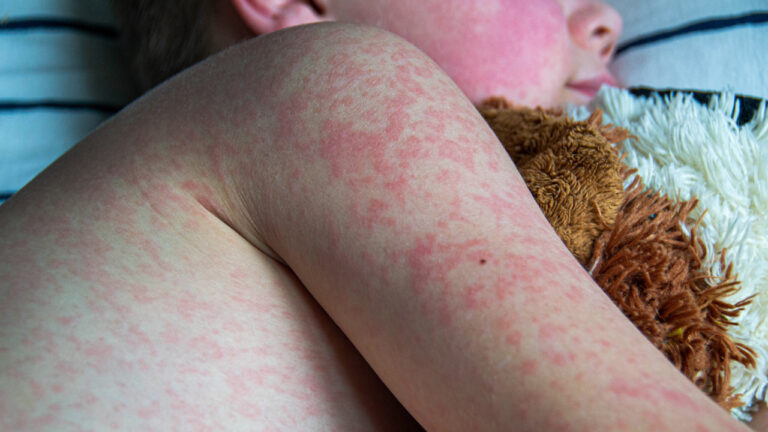
Roseola (HHV-6): Classic for causing a very high fever (103-105°F) for 3-5 days that breaks abruptly just as a pink rash appears on the trunk.
Hand, Foot, and Mouth Disease (Coxsackievirus)
Gastroenteritis (“Stomach Flu”)
COVID-19
Characteristics: Often accompanied by runny nose, cough, sore throat, or diarrhea. Fevers from viruses can be high but typically resolve on their own within 3-5 days.
B. Less Common but Important: Bacterial Infections
These often require medical evaluation and possible antibiotic treatment.
Ear Infection (Otitis Media)
Strep Throat
Pneumonia
Urinary Tract Infection (UTI) – A silent cause of fever in young children, especially infants, with no other obvious symptoms.
Sinusitis
Characteristics: May present with focal pain (earache, painful urination), a persistent fever lasting more than 3-5 days without improvement, or a fever that returns after a brief break.
C. Other Significant Causes
Immunizations: A low-grade fever 24-48 hours after vaccination is a normal immune response.
Overheating (Hyperthermia): From excessive bundling or a hot environment. This is not a true fever, as the hypothalamic set-point is unchanged. It requires cooling the child.
Inflammatory Conditions: Such as Kawasaki disease, juvenile idiopathic arthritis.
Teething: May cause a very mild elevation (under 100.4°F), but is not responsible for high fevers.
Part 3: The “How-To” of Fever Management: Comfort Over Cure
The primary goal of treating a fever is to improve the child’s comfort, not to normalize the temperature. A comfortable child with a fever of 102°F does not require aggressive treatment.
Step 1: Accurate Measurement
Under 3 Months: Rectal thermometer only (most accurate for critical readings in this vulnerable age group).
3 Months to 4 Years: Rectal (most accurate), tympanic (ear), or temporal artery (forehead).
4 Years and Older: Oral (under the tongue), tympanic, or temporal artery. Axillary (armpit) readings are unreliable.
Step 2: Supportive Care (The Foundation)
Hydration: Fever increases fluid loss. Offer small, frequent amounts of clear fluids (water, broth, oral rehydration solutions). Monitor for wet diapers or urination every 6-8 hours.
Comfort: Dress the child in lightweight clothing. Use a light blanket if they are chilly, but avoid heavy bundling.
Rest: Allow the body to direct energy toward fighting the illness.
Step 3: Medication – Used Judiciously
Antipyretics (fever reducers) are safe when used correctly to alleviate discomfort.
Acetaminophen (Tylenol): Can be used at any age with proper dosing. Dosed every 4-6 hours. Do not exceed 5 doses in 24 hours.
Ibuprofen (Advil, Motrin): For children 6 months and older. Dosed every 6-8 hours. Avoid if the child is dehydrated.
Critical Rules:
Dose by weight, not age.
Never give aspirin to a child (risk of Reye’s syndrome).
Alternating medications is generally unnecessary and increases risk of dosing errors. If you do alternate, use a written log.
If the child is sleeping comfortably, do not wake them to administer medication.
Part 4: The Red Flags – When Fever Symbolizes Danger
This is the most critical knowledge for any caregiver. Trust your instincts. You know your child best.
Seek IMMEDIATE Emergency Care for a Child of Any Age With Fever AND:
Infant Under 3 Months: Any rectal temperature of 100.4°F (38°C) or higher is a medical emergency due to their immature immune systems.
Altered Mental State: Extreme lethargy, difficulty waking, confusion, or inconsolable crying.
Signs of Meningitis: Stiff neck, severe headache, sensitivity to light, bulging soft spot (fontanelle) in an infant.
Respiratory Distress: Struggling to breathe, grunting, ribs sucking in with each breath, or lips/face turning blue.
Dehydration: No wet diapers/urination for 8+ hours, sunken eyes, dry mouth, no tears when crying.
Febrile Seizure: A convulsion caused by fever. While usually brief and benign, the first seizure requires immediate evaluation to rule out other causes.
A Fever of 105°F (40.6°C) or Higher that does not come down with appropriate medication.
A Rash that Looks Like Bruises or Purple Spots (petechiae or purpura) that does not blanch when pressed—a potential sign of sepsis or meningitis.
Severe Pain: Such as a severe headache, abdominal pain, or pain with urination.
Contact Your Pediatrician Within 24 Hours For:
A fever lasting more than 3-5 days without improvement.
A child 3-6 months old with a fever over 101°F (38.3°C).
A fever that returns after being gone for over 24 hours.
Signs of a specific infection (pulling at ears, painful urination, sore throat).
Underlying chronic medical conditions (heart disease, cancer, immune deficiency).
Part 5: The Febrile Seizure: A Terrifying but Often Benign Event
Febrile seizures affect 2-5% of children, usually between 6 months and 5 years old. They are caused by a rapid rise in temperature, not its absolute height.
What to Expect: The child may lose consciousness, shake, or stiffen for 1-3 minutes. Eyes may roll back.
What to Do:
Stay calm. Place the child on their side on a safe, soft surface.
Do not restrain them or put anything in their mouth.
Time the seizure.
After it stops, comfort your child and call your pediatrician or seek emergency care (for a first-time seizure).
Key Fact: Simple febrile seizures do not cause brain damage or increase the risk of epilepsy in a typically developing child.
Conclusion: Partnering with the Process
Fever is the body’s powerful ally, a visible sign of an invisible battle being fought competently by the child’s own immune system. Parental wisdom lies in observing the child, not just the thermometer. A feverish child who is drinking, interacting, and smiling is often managing well. A listless, miserable child with a low-grade fever may need more urgent attention.
By providing comfort, ensuring hydration, and vigilantly watching for the true red flags of serious illness, parents can support their child through a fever episode with confidence. Empowered with this knowledge, you can respond not to the fear fever inspires, but to the needs of your child, ensuring they are safe, comfortable, and on the path to recovery.
Disclaimer: This article is for informational purposes only and is not a substitute for professional medical advice, diagnosis, or treatment. Always seek the advice of your pediatrician or other qualified health provider with any questions regarding a medical condition, especially concerning fever in a young child or infant.