Multiple Myeloma: A Comprehensive Guide to the Plasma Cell Cancer
Introduction: The Bone Marrow’s Betrayal
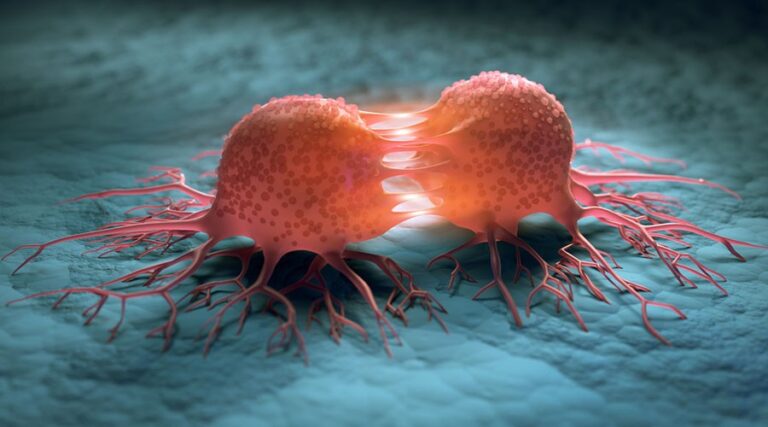
Multiple myeloma is a complex and incurable, yet increasingly manageable, cancer of the plasma cells—a specialized type of white blood cell found in the bone marrow. These cells are the body’s antibody factories, crucial for a healthy immune response. In myeloma, a single plasma cell becomes malignant, clones itself uncontrollably, and crowds out the normal blood-forming cells in the marrow. This rogue proliferation leads to a cascade of debilitating symptoms and complications, captured in the classic mnemonic CRAB (HyperCalcemia, Renal failure, Anemia, Bone lesions). Once a rapidly fatal diagnosis, multiple myeloma has been transformed over the past two decades by revolutionary treatments, turning it into a chronic condition for many patients. This guide provides a detailed overview of its biology, diagnosis, the modern therapeutic arsenal, and the journey of survivorship.
Part 1: The Biology of Myeloma – From MGUS to Active Disease
Myeloma does not appear suddenly; it almost always evolves through a predictable, asymptomatic precursor stage.
Monoclonal Gammopathy of Undetermined Significance (MGUS):
A pre-malignant condition found in ~3% of adults over 50.
Characterized by a low level of abnormal M-protein (monoclonal protein) produced by a benign clone of plasma cells, with no end-organ damage.
Risk of progression to myeloma is only 1% per year.
Smoldering Multiple Myeloma (SMM):
An intermediate stage with higher M-protein levels (>3g/dL) and/or ≥10% plasma cells in marrow, but still no CRAB symptoms.
Carries a higher risk of progression (10% per year for the first 5 years).
Active (Symptomatic) Multiple Myeloma:
Diagnosis requires evidence of end-organ damage (CRAB criteria) attributed to the plasma cell disorder:
The updated criteria also include specific biomarkers that indicate a high risk of imminent progression, even without CRAB features.
The Malignant Process: The myeloma plasma cells:
Produce excessive, non-functional M-protein (or just light chains) that can damage kidneys.
Secrete chemicals (cytokines) that accelerate bone breakdown (causing pain and fractures) and suppress normal immune function.
Crowd out normal marrow, leading to low red blood cells (anemia), white cells (infection risk), and platelets (bleeding risk).
Part 2: Risk Factors, Symptoms, and Diagnosis
Risk Factors:
Age: Median age at diagnosis is 69.
Race: Twice as common in African Americans than in Caucasians.
Gender: Slightly more common in men.
Family History: Having a first-degree relative with myeloma increases risk.
Precursor Conditions: All cases arise from MGUS or SMM.
Obesity is a consistent environmental risk factor.
Symptoms (The “CRAB” Manifestations):
Bone Pain: Deep, aching, often in the back or ribs, worsened by movement. Pathological fractures are common.
Fatigue & Weakness: From severe anemia.
Recurrent Infections: Especially pneumonia, from impaired antibody production and low white cells.
Kidney Problems: Foamy urine, swelling, confusion from toxin buildup.
Confusion, Excessive Thirst, Constipation: Symptoms of hypercalcemia.
Numbness or Tingling: From nerve compression (e.g., spinal cord) or amyloidosis.
The Diagnostic Workup:
Diagnosis requires a bone marrow biopsy and a series of tests to confirm the disease and its stage.
Blood Tests:
Complete Blood Count (CBC): Checks for anemia.
Chemistry Panel: Assesses kidney function (creatinine) and calcium.
Quantification of M-protein: Serum protein electrophoresis (SPEP) and immunofixation (IFE).
Serum Free Light Chains (FLC) Assay: Measures kappa and lambda light chains; ratio is critical.
Beta-2 Microglobulin & Albumin: Used for staging (ISS System).
Urine Tests: 24-hour urine for Bence Jones proteins (light chains) and M-protein.
Bone Marrow Aspiration & Biopsy: Determines the percentage of plasma cells (≥10% is diagnostic) and allows for cytogenetic/FISH testing to identify high-risk genetic abnormalities (e.g., del(17p), t(4;14), t(14;16)).
Imaging:
Skeletal Survey (X-rays): Traditional method to detect lytic bone lesions.
Low-Dose Whole-Body CT or PET/CT: Modern standard. Far more sensitive for detecting bone disease and active (metabolically active) lesions.
Part 3: Staging and Risk Stratification – Guiding Treatment
Staging determines disease burden and prognosis.
Revised International Staging System (R-ISS): Integrates:
Serum Beta-2 Microglobulin and Albumin.
High-risk chromosomal abnormalities (from FISH).
Elevated LDH (a marker of aggressive disease).
Stage I: Lowest risk, best prognosis.
Stage III: Highest risk, more aggressive disease.
Cytogenetic Risk: Perhaps more important than stage. High-risk abnormalities (del(17p), t(4;14), etc.) indicate disease that is more aggressive and may be resistant to standard therapies, requiring more intensive approaches.
Part 4: The Modern Therapeutic Arsenal – A Multi-Drug Revolution
Treatment is not initiated for MGUS or low-risk SMM (active surveillance is standard). For active myeloma, the paradigm has shifted from short, intensive bursts of chemotherapy to continuous, multi-drug regimens that control the disease long-term. There is no “standard” single treatment; regimens are personalized.
Core Drug Classes (The “Backbone” Agents):
Immunomodulatory Drugs (IMiDs): Lenalidomide (Revlimid) and Pomalidomide (Pomalyst). Modulate the immune system and the bone marrow microenvironment to kill myeloma cells.
Proteasome Inhibitors (PIs): Bortezomib (Velcade), Carfilzomib (Kyprolis), Ixazomib (Ninlaro). Disrupt the cancer cell’s protein-recycling machinery, causing toxic buildup and cell death.
Monoclonal Antibodies:
Anti-CD38: Daratumumab (Darzalex) and Isatuximab (Sarclisa). Target a protein on the surface of myeloma cells, marking them for immune destruction.
Anti-SLAMF7: Elotuzumab (Empliciti).
Treatment Phases:
Initial (Induction) Therapy: For newly diagnosed patients. Typically a triplet or quadruplet regimen combining an IMiD, a PI, a steroid (dexamethasone), and often an anti-CD38 antibody. Goal: rapid, deep reduction of disease.
Consolidation / Transplant-Eligible Patients:
Autologous Stem Cell Transplant (ASCT): After induction, a patient’s own stem cells are collected, they receive high-dose chemotherapy to wipe out the marrow, and then their stem cells are reinfused. It is not a cure but can provide a long remission. Often followed by…
Maintenance Therapy: Long-term, lower-dose treatment (usually with lenalidomide) to prolong remission and prevent relapse.
Treatment for Relapsed/Refractory Disease: When myeloma returns or becomes resistant, new combinations of the above drugs are used. Novel agents include:
CAR T-Cell Therapies: Idecabtagene vicleucel (Abecma) and Ciltacabtagene autoleucel (Carvykti). A patient’s T-cells are genetically engineered to attack myeloma cells. Highly effective but complex.
Bispecific T-Cell Engagers (BiTEs): Teclistamab (Tecvayli). A drug that physically links a patient’s T-cells to myeloma cells, triggering destruction.
Selective Inhibitor of Nuclear Export (SINE): Selinexor (Xpovio).
Supportive Care (Critical for Quality of Life):
Bone Health: Bisphosphonates (Zoledronic acid) or Denosumab (Xgeva) to strengthen bones and reduce fractures/pain.
Infection Prevention: Antibiotics, antivirals, and vaccination protocols.
Anemia Management: Erythropoiesis-stimulating agents (ESAs), blood transfusions.
Pain Management: Tailored analgesic regimens.
Part 5: The Prognosis and Survivorship Journey
While still incurable, the prognosis for multiple myeloma has improved dramatically. The 5-year relative survival rate is now approximately 60%, a figure that continues to climb.
The Chronic Disease Model: Most patients will experience cycles of remission and relapse, being treated with different regimens over many years.
Survivorship Challenges: Managing long-term treatment side effects (neuropathy, fatigue), emotional distress, financial toxicity, and the uncertainty of relapse.
The Role of Clinical Trials: Participation is highly encouraged, as trials offer access to the next generation of therapies and drive progress for all.
Conclusion: A Landscape Transformed by Science
Multiple myeloma exemplifies the power of translational research. From a fatal diagnosis with few options, it has become a chronic condition managed with an expanding, sophisticated toolkit of targeted therapies and immunotherapies. The journey is challenging, but the paradigm has shifted from despair to one of hope and strategic management. Success hinges on care at a specialized center, a strong patient-physician partnership, proactive supportive care, and access to clinical trials. For patients and families, understanding the disease and its treatments is the first step toward navigating this complex journey with resilience and purpose.