Anal Cancer: A Comprehensive Guide to the HPV-Driven Cancer
Introduction: A Stigmatized but Treatable Malignancy
Anal cancer is a rare but increasingly common malignancy of the anus, the short canal at the end of the digestive tract. Once a disease shrouded in stigma due to its association with sexual transmission, it has emerged as a clear paradigm of an HPV-driven cancer, with over 90% of cases linked to persistent infection with high-risk Human Papillomavirus (HPV) types 16 and 18. Its incidence has been rising steadily over the past several decades, particularly among certain high-risk groups, mirroring trends seen in other HPV-related cancers. Unlike many gastrointestinal cancers, anal cancer is highly sensitive to chemoradiation, making non-surgical, organ-preserving treatment the standard of care for most patients. This guide provides a detailed exploration of anal cancer’s epidemiology, pathogenesis, diagnosis, and the curative chemoradiation protocol that defines its modern management.
Part 1: Anatomy and Histologic Types – Understanding the Anal Canal
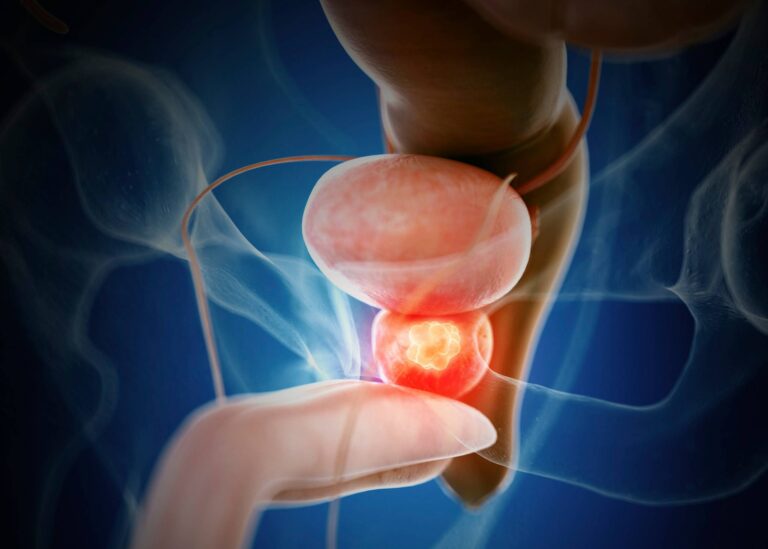
The anus is a 3-4 cm long canal lined by different types of epithelium, which gives rise to distinct cancer types.
Anal Margin (Perianal Skin): The external region, lined by keratinized squamous epithelium. Cancers here behave like skin cancers.
Anal Canal: The internal passage, further divided:
Proximal (Colorectal) Zone: Lined with glandular mucosa (like the rectum). Gives rise to adenocarcinomas.
Transitional Zone: Contains transitional epithelium. Rare site for cancer.
Distal (Squamous) Zone: Lined with non-keratinized squamous epithelium. This is where over 80% of anal cancers arise—specifically, squamous cell carcinomas (SCC).
Key Distinction: Anal canal SCC is the focus of this guide, as it is the most common type and is primarily linked to HPV. Anal margin cancers are managed differently (more like skin cancers), and anal adenocarcinomas are treated similarly to rectal cancer.
Part 2: Etiology and Risk Factors – The Central Role of HPV
The pathogenesis of anal SCC mirrors that of cervical cancer: persistent HPV infection leading to high-grade squamous intraepithelial lesions (HSIL), which can progress to invasive cancer over years.
Established Risk Factors:
HPV Infection (Especially HPV-16): The necessary precursor. HPV causes cellular changes (dysplasia) that can become cancerous.
HIV Infection: A major risk amplifier. People living with HIV (PLWH), particularly men who have sex with men (MSM), have a risk that is 19-100 times higher than the general population. HIV-induced immunosuppression allows HPV to persist and progress more rapidly.
Immunosuppression: Solid organ transplant recipients and those on chronic immunosuppressive medications.
Sexual Behavior: Receptive anal intercourse increases exposure to HPV. Higher number of lifetime sexual partners is a risk factor.
Smoking: Current smokers have a 2-5x higher risk. Smoking impairs local immune surveillance.
History of Other HPV-Related Cancers: Cervical, vulvar, or vaginal cancer.
Chronic Local Inflammation: Such as from fistulas or chronic anal fissures.
Rising Incidence: The increase is largely attributed to the HIV epidemic (prior to effective antiretroviral therapy – ART) and changing sexual practices. The widespread adoption of ART has extended life expectancy for PLWH, but it does not eliminate HPV-related cancer risk, making long-term screening crucial.
Part 3: Signs and Symptoms – Breaking the Silence
Symptoms are often mistaken for benign conditions like hemorrhoids, leading to diagnostic delay.
Common Presenting Symptoms:
Rectal Bleeding: The most common symptom (present in ~45% of patients). Often bright red blood on toilet paper or in the bowl.
Anal Pain or Sensation of a Mass: A persistent ache or feeling of fullness/pressure.
Pruritus (Itching): Persistent anal itching.
Change in Bowel Habits: Tenesmus (feeling of incomplete evacuation), narrowing of stool (ribbon-like stools), or urgency.
Visible or Palpable Mass: A lump or ulceration that can be felt at the anal opening.
Inguinal Lymphadenopathy: Enlarged lymph nodes in the groin, indicating possible spread.
Clinical Pearl: Any persistent anal symptom (bleeding, pain, mass) lasting more than 4-6 weeks, especially in a high-risk individual, must be evaluated to rule out cancer. Do not assume it is hemorrhoids.
Part 4: Diagnosis and Staging – A Multimodal Approach
Early and accurate diagnosis is critical for curative treatment.
Digital Rectal Exam (DRE): The first step. Allows the physician to feel for masses, ulcers, or strictures.
Anoscopy/High-Resolution Anoscopy (HRA): The cornerstone of diagnosis. A small, lighted scope (anoscope) is used to visually inspect the anal canal. HRA is the gold standard, using magnification and acetic acid (vinegar) to highlight abnormal, potentially precancerous (HSIL) or cancerous areas for targeted biopsy.
Biopsy: Any suspicious lesion must be biopsied to confirm the diagnosis of squamous cell carcinoma and rule out other pathologies.
Imaging for Staging:
Primary Tumor & Locoregional Staging: Pelvic MRI is the best test to assess the depth of tumor invasion, sphincter involvement, and pelvic/inguinal lymph nodes.
Distant Metastasis Staging: CT scan of the Chest/Abdomen/Pelvis. PET/CT is increasingly used as it provides superior detection of involved lymph nodes and distant metastases, which can alter treatment planning.
HIV Testing: Should be offered to all patients diagnosed with anal cancer, given the strong association.
Staging (AJCC TNM System): Stages range from I (small, localized tumor) to IV (distant metastasis). Nodal status (spread to inguinal or pelvic lymph nodes) is a critical prognostic factor.
Part 5: Treatment – The Triumph of Chemoradiation
The management of anal canal SCC underwent a revolutionary shift in the 1970s with the pioneering work of Dr. Norman Nigro, who demonstrated that combined chemotherapy and radiation (chemoradiation) could cure the disease without the need for mutilating surgery.
Standard of Care for Localized Disease (Stage I-III):
Definitive Chemoradiotherapy (CRT)
Radiation Therapy: Delivered to the primary tumor and regional lymph nodes (pelvic and inguinal) over 5-6 weeks using advanced techniques like IMRT/VMAT to spare normal tissue and reduce toxicity.
Concurrent Chemotherapy: Typically 5-Fluorouracil (5-FU) and Mitomycin-C (MMC), given in cycles during radiation. This combination acts as a powerful radiosensitizer, making cancer cells more vulnerable to radiation.
Goal: Complete eradication of the tumor while preserving anal sphincter function (organ preservation). Surgery is reserved for salvage if chemoradiation fails.
Treatment of Advanced/Metastatic Disease (Stage IV):
The goal shifts to prolonging life and managing symptoms.
First-Line Systemic Therapy: Combination chemotherapy, often carboplatin plus paclitaxel.
Immunotherapy: Pembrolizumab is approved for metastatic or recurrent anal SCC that is PD-L1 positive, offering a new line of defense.
Palliative Radiation: Can be highly effective for controlling local symptoms like pain or bleeding from the primary tumor.
Management of Precancer (Anal HSIL):
For high-risk individuals (e.g., PLWH, MSM), screening with anal cytology (Pap smear) and HRA is recommended to detect and treat HSIL before it progresses to cancer. Treatment options for HSIL include topical agents (imiquimod, 5-FU), ablation, or excision.
Part 6: Prognosis, Survivorship, and Prevention
Prognosis: Is excellent for localized disease treated with definitive CRT. The 5-year survival rate is over 80% for Stage I/II and ~60% for Stage III (node-positive). Survival drops significantly for metastatic disease.
Survivorship: Patients require long-term follow-up to monitor for local recurrence, late radiation side effects (e.g., anal stenosis, chronic diarrhea, bone fractures), and the development of secondary cancers.
Prevention:
HPV Vaccination: The single most powerful preventive tool. The HPV vaccine (Gardasil 9) is recommended for all adolescents (boys and girls) aged 11-12, and for all persons up to age 45. It directly prevents the HPV infections that cause over 90% of anal cancers.
Smoking Cessation.
Screening for High-Risk Groups: Regular anal cytology and HRA for PLWH, MSM, and others with high-risk profiles.
Conclusion: From Stigma to a Model of Curative Organ Preservation
Anal cancer has transformed from a poorly understood, surgically mutilating disease to a well-characterized, preventable, and highly curable malignancy. Its story underscores the critical importance of HPV vaccination as a universal cancer-prevention strategy and highlights the success of organ-preserving chemoradiation as a curative paradigm. Overcoming stigma is essential for early diagnosis; patients and healthcare providers must feel comfortable discussing anal symptoms. The future of anal cancer control lies in three pillars: primary prevention through vaccination, secondary prevention through screening of high-risk populations, and continued refinement of curative chemoradiation protocols to maximize cure while minimizing long-term toxicity. Through awareness, prevention, and precision treatment, the burden of this cancer can be dramatically reduced.
Key Takeaways:
Anal cancer is primarily caused by persistent HPV infection.
HIV infection is a major risk amplifier.
Persistent anal bleeding, pain, or a mass is not normal and requires medical evaluation.
The standard curative treatment is chemoradiation, not surgery.
HPV vaccination can prevent the vast majority of anal cancers.
Resources:
Anal Cancer Foundation: www.analcancerfoundation.org
National Cancer Institute: PDQ on Anal Cancer Treatment.
American Cancer Society: Detailed guide on anal cancer.
Disclaimer: This article is for informational purposes only and is not a substitute for professional medical advice, diagnosis, or treatment. Always seek the advice of a radiation oncologist, medical oncologist, or colorectal surgeon specializing in anal cancer.