Frequent Urinary Tract Infections: A Comprehensive Guide to Recurrent UTIs
Introduction: The Recurring Nightmare
For millions, particularly women, urinary tract infections (UTIs) are not an occasional inconvenience but a recurring, painful, and disruptive reality. Defined as three or more UTIs in 12 months, or two or more in 6 months, recurrent UTIs represent a failure of the body’s natural defenses and often signal an underlying anatomical, functional, or behavioral vulnerability. Far from being a simple string of bad luck, recurrent UTIs are a complex clinical syndrome that can erode quality of life, lead to antibiotic resistance, and in some cases, indicate a more serious condition. This guide moves beyond acute treatment to explore the “why” behind recurrence, detailing the multifactorial causes, evidence-based prevention strategies, and the crucial steps for breaking the cycle of infection.
Part 1: The Pathophysiology of a UTI – Understanding the Inoculum
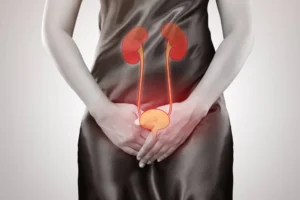
A UTI occurs when uropathogenic bacteria, most commonly Escherichia coli (E. coli), ascend from the perineum into the urethra and bladder. For recurrence to happen, a critical sequence must repeat:
Colonization: Pathogenic bacteria colonize the vaginal introitus and periurethral area.
Adherence & Ascension: These bacteria possess fimbriae (hair-like structures) that allow them to adhere tightly to the uroepithelium of the urethra and bladder, resisting the flushing action of urination. They ascend into the bladder.
Invasion & Biofilm Formation: In the bladder, they can invade superficial cells and, critically, form biofilms—protective, slimy communities of bacteria that are highly resistant to both the immune system and antibiotics.
Persistence: If not completely eradicated, a small reservoir of bacteria (a bacterial reservoir) can persist in the bladder wall or form quiescent intracellular reservoirs (QIRs) inside bladder cells, re-emerging later to cause a new symptomatic infection.
Part 2: Why Me? Risk Factors and Causes of Recurrence
Recurrent UTIs are rarely due to one factor. They result from a combination of host susceptibility and bacterial virulence.
A. Anatomical & Genetic Factors (Non-Modifiable but Identifiable):
Female Anatomy: The short, straight female urethra and its proximity to the anus are primary reasons women are 30x more likely than men to have recurrent UTIs.
Genetic Predisposition: Certain women have uroepithelial cells with more receptors for bacterial fimbriae, making adhesion easier. A family history of UTIs is a strong risk factor.
Vaginal Atrophy (Genitourinary Syndrome of Menopause – GSM): Post-menopausal decline in estrogen leads to a loss of protective vaginal lactobacilli, a rise in vaginal pH, and thinning of genitourinary tissues, creating a favorable environment for E. coli colonization.
Congenital Anomalies: Such as duplex kidneys or ureters.
Pelvic Organ Prolapse: Can impede complete bladder emptying.
B. Functional & Behavioral Factors (Often Modifiable):
Incomplete Bladder Emptying: Any condition causing urinary retention or high post-void residual (PVR) urine. Common causes include:
Pelvic Floor Dysfunction/Hypertonicity: Tight, non-relaxing pelvic floor muscles can obstruct the urethra.
Neurological Conditions: Multiple sclerosis, spinal cord injury.
Constipation: A full rectum can press against and obstruct the bladder.
Sexual Activity: Intercourse is a major trigger (“honeymoon cystitis”) due to mechanical introduction of bacteria. The use of spermicides (especially nonoxynol-9) and diaphragms disrupt vaginal flora.
Hygiene & Wiping Habits: Wiping back-to-front introduces fecal bacteria.
Dehydration: Infrequent urination fails to regularly flush bacteria from the urinary tract.
C. Medical & Iatrogenic Factors:
History of Childhood UTIs.
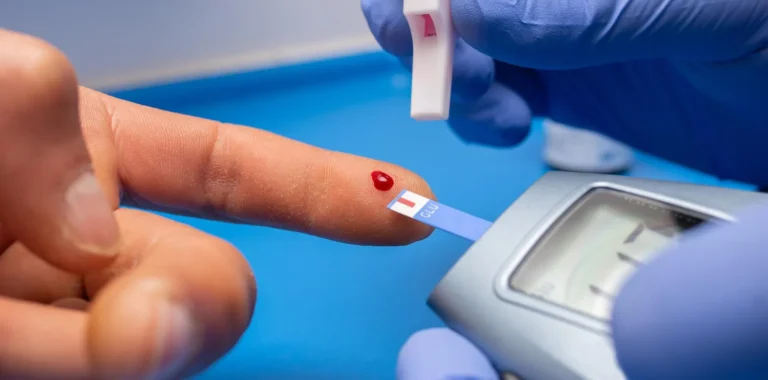
Diabetes Mellitus: High glucose in urine acts as a culture medium; also impairs immune function.
Kidney Stones or Bladder Stones: Provide a physical surface for bacteria to adhere and hide.
Indwelling or Frequent Catheter Use.
Prior Antibiotic Use: Disrupts the protective microbiome of both the gut and vagina, allowing pathogenic bacteria to flourish.
Part 3: The Diagnostic Workup – It’s Not Just Another Culture
When UTIs recur, a standard urine culture is insufficient. A structured evaluation is needed to rule out underlying causes.
Detailed History & Bladder Diary: A specialist will ask about timing related to intercourse, menstrual cycle, contraceptive use, voiding habits, and bowel function.
Physical Exam: Including a pelvic exam to assess for prolapse, pelvic floor muscle tone, and signs of atrophy (GSM).
Urine Studies:
Imaging (if indicated):
Renal/Bladder Ultrasound: To check for stones, hydronephrosis, and post-void residual (PVR) urine.
CT Urogram: For more complex anatomy or suspicion of stones.
Cystoscopy: A camera inspection of the bladder and urethra. Not routine, but used if symptoms are atypical, there is hematuria, or if infections persist despite treatment. Can identify stones, tumors, or anatomical abnormalities.
Part 4: Treatment & Management – Breaking the Cycle
Management shifts from simply treating acute episodes to a long-term prevention strategy.
A. Treatment of the Acute Infection:
Use narrow-spectrum antibiotics based on culture results whenever possible.
Treat for an appropriate duration (often a standard course, but sometimes a longer course is needed for recurrences).
Ensure symptom resolution with a follow-up test if needed.
B. Long-Term Prevention Strategies (The Core of Management):
1. Behavioral & Lifestyle Modifications (First Line):
Hydration: Drink enough water to produce pale urine; aim for 2-2.5L daily.
Voiding Habits: Urinate every 3-4 hours, and always void after intercourse.
Wipe Front-to-Back.
Cotton Underwear & Avoid Tight Clothing.
Manage Constipation: High-fiber diet, stool softeners if needed.
Pelvic Floor Physical Therapy: For women with hypertonic pelvic floors causing retention. Teaches proper relaxation and bladder emptying techniques.
2. Non-Antibiotic Prophylaxis:
Vaginal Estrogen Therapy (for Postmenopausal Women): The most effective non-antibiotic prevention. Restores vaginal lactobacilli, lowers pH, and thickens tissue. Available as cream, tablet, or ring.
D-Mannose: A sugar that may prevent E. coli from adhering to the bladder wall. Evidence is promising but not yet definitive; dose is typically 2g daily.
Cranberry Products: The data is mixed. If used, it must be a high-potency PAC (proanthocyanidin) supplement, not sugary juice. May offer modest benefit for some.
Probiotics (Oral & Vaginal): Specifically Lactobacillus strains (e.g., *L. rhamnosus GR-1, L. reuteri RC-14*) to restore healthy vaginal flora.
Methenamine Hippurate: A urinary antiseptic that converts to formaldehyde in acidic urine. Useful for some patients.
3. Antibiotic Prophylaxis (When Non-Antibiotic Measures Fail):
Post-Coital Prophylaxis: A single dose of a specific antibiotic (e.g., nitrofurantoin 50-100mg, TMP-SMX) taken within 2 hours after intercourse.
Continuous Low-Dose Prophylaxis: A nightly low dose of antibiotic for 6-12 months, followed by re-evaluation. This is highly effective but carries risks of side effects and antibiotic resistance.
4. Immunoactive Prophylaxis:
OM-89 (Uro-Vaxom): An oral immunostimulant made from E. coli extracts, taken daily for 3 months. Available in some countries to stimulate immune defense.
Urogynecologic Consultation: For management of prolapse or complex pelvic floor issues.
Part 5: When to See a Specialist
Consult a urologist or urogynecologist if:
You meet the definition of recurrent UTIs (≥3/year).
Infections are accompanied by fever, chills, or flank pain (suggesting kidney involvement – pyelonephritis).
You have gross hematuria (visible blood in urine).
Symptoms do not resolve completely with appropriate antibiotics.
You have a history of childhood UTIs or kidney abnormalities.
You are a man with a UTI (always requires urologic evaluation).
Conclusion: From Reactive Suffering to Proactive Management
Recurrent UTIs are a chronic condition requiring a chronic management plan. The goal is to move from a pattern of reactive suffering (infection → antibiotics → temporary relief → repeat) to proactive defense. This involves a personalized, stepwise approach: implementing foundational behavioral changes, trialing evidence-based non-antibiotic strategies like vaginal estrogen or D-mannose, and using targeted antibiotic prophylaxis judiciously only when necessary. Crucially, it requires partnership with a knowledgeable healthcare provider who will investigate why the infections are recurring rather than simply prescribing another antibiotic. By understanding the multifaceted causes and embracing a comprehensive prevention strategy, it is possible to break the cycle of recurrence and reclaim comfort, confidence, and quality of life.
Key Takeaways:
Recurrent UTIs are defined as ≥3 per year and warrant a specialized evaluation.
Postmenopausal vaginal estrogen is a first-line, highly effective prevention strategy.
Always urinate after intercourse and stay well-hydrated.
A pelvic exam and post-void residual check are essential diagnostic steps.
The long-term goal is prevention, not just acute treatment. Work with a specialist to create a personalized plan.
Disclaimer: This article is for informational purposes only and is not a substitute for professional medical advice, diagnosis, or treatment. Always seek the advice of your urologist, urogynecologist, or primary care physician with any questions you may have regarding recurrent UTIs. Do not start or stop any medication without consulting your doctor.