Bone Broth: A Comprehensive Guide to Its Ancestral Benefits and Modern Science
Introduction: From Ancient Pot to Modern Elixir
Bone broth, the savory liquid resulting from simmering animal bones and connective tissue for an extended period, is experiencing a dramatic renaissance. Far from a fleeting culinary trend, it is a revival of one of humanity’s oldest and most fundamental foods—a practice rooted in traditional wisdom and no-waste cooking. Historically, broth was the foundation of soups, stews, and sauces across virtually every culture, prized for its flavor, digestibility, and purported healing properties. Today, it is championed as a functional food and wellness tonic, touted for benefits ranging from gut healing to joint support. This guide delves deep into the composition of bone broth, separates the evidence-based benefits from anecdotal claims, and provides a realistic perspective on its role in a modern, balanced diet.
Part 1: The Alchemy of Simmering – What’s Actually in the Broth?
The prolonged cooking process (typically 12-48 hours) hydrolyzes, or breaks down, the tough structural components of bones and tissues, extracting a unique matrix of nutrients and compounds into the water.
Key Bioactive Components:
Gelatin & Collagen: The most celebrated constituents. Collagen, the primary structural protein in connective tissue, breaks down into gelatin during cooking. Upon cooling, this gives broth its characteristic jiggle. When consumed, gelatin is further broken down into bioactive peptides and amino acids.
Amino Acids: Broth provides a specific profile:
Glycine: The most abundant. Crucial for synthesizing glutathione (the body’s master antioxidant), supporting detoxification, promoting calmness, and aiding sleep.
Proline & Hydroxyproline: Essential for building and repairing collagen, supporting skin, joint, and arterial health.
Glutamine: The primary fuel source for intestinal epithelial cells, vital for gut lining integrity.
Minerals: Bones are a mineral reservoir. Broth contains bioavailable (easily absorbed) forms of calcium, magnesium, phosphorus, potassium, and trace minerals like silicon and sulfur.
Electrolytes: The mineral content makes it a natural source of sodium, potassium, and magnesium, aiding hydration.
Other Compounds: Chondroitin sulfate and glucosamine (from cartilage), which are popular supplements for joint health, and hyaluronic acid, important for skin hydration and joint lubrication.
Critical Note: The exact nutrient profile varies dramatically based on the type of bones used (knuckle, marrow, feet), cooking time, the addition of acid (like vinegar, which aids mineral extraction), and the quality of the source animals (pasture-raised vs. conventional).
Part 2: Evidence-Based Benefits – What the Science Suggests
While large-scale human clinical trials on bone broth specifically are limited, we can extrapolate benefits from the well-studied effects of its individual components.
1. Support for Gut Health and Integrity (“Leaky Gut”)
The Science: The amino acids glutamine and glycine are critical for maintaining the tight junctions of the intestinal lining. Gelatin can help restore the protective mucosal lining and attract digestive fluids, aiding in digestion.
The Verdict: Broth is an excellent source of gut-supportive nutrients. It is a cornerstone of therapeutic diets like the GAPS (Gut and Psychology Syndrome) Protocol. While not a cure-all, it can be a valuable component of a gut-healing regimen alongside fiber, probiotics, and other whole foods.
2. Joint, Bone, and Connective Tissue Support
The Science: The building blocks provided—collagen peptides, proline, glycine, chondroitin, and glucosamine—are the raw materials for synthesizing and repairing cartilage, tendons, ligaments, and bone matrix. Studies on collagen hydrolysate (similar to gelatin) show reduced joint pain in athletes and those with osteoarthritis.
The Verdict: Regular consumption may provide a dietary source of compounds that support joint comfort and mobility, particularly as a preventative or complementary approach. It is not a replacement for medical treatment of severe arthritis.
3. Skin, Hair, and Nail Health
The Science: Collagen is a fundamental component of the skin’s dermis, contributing to elasticity and hydration. Oral collagen peptide supplementation has been shown in randomized trials to improve skin elasticity, hydration, and wrinkle depth.
The Verdict: The collagen and amino acids in bone broth can support the body’s natural collagen production, potentially leading to improved skin texture and strength of hair and nails. Effects are cumulative and require consistent intake.
4. Anti-Inflammatory and Immune Modulation
The Science: Glycine and arginine (another amino acid in broth) have demonstrated anti-inflammatory effects in studies. The minerals and electrolytes support optimal immune cell function. The historical use of chicken soup during illness (“Jewish Penicillin”) has some scientific backing; the steam may improve mucus flow, and the broth provides easy-to-digest hydration and nutrients when appetite is low.
The Verdict: Broth is a supportive, nutrient-dense food during illness and may contribute to a balanced inflammatory response as part of an overall anti-inflammatory diet.
5. Sleep, Mood, and Metabolic Function
The Science: Glycine acts as an inhibitory neurotransmitter, promoting calmness. Studies show glycine supplementation before bed can improve sleep quality. Glycine also plays a role in blood sugar regulation and the synthesis of bile salts and glutathione.
The Verdict: A cup of warm broth in the evening may provide subtle support for relaxation and metabolic health through its glycine content.
Part 3: Practical Considerations and Cautions
How to Incorporate Bone Broth:
As a Sipping Broth: Warm, seasoned with sea salt and herbs.
Cooking Liquid: Use as a base for soups, stews, sauces, risottos, and grains.
Commercial vs. Homemade: High-quality store-bought broth (check labels for minimal ingredients: bones, water, vegetables, herbs, salt) is convenient. Homemade broth is more economical, allows for customization, and is often more nutrient-dense.
Frequency: Benefits are derived from regular consumption—think daily or several times a week, not occasionally.
Important Cautions:
Sodium Content: Homemade broth can be controlled, but many commercial brands are very high in sodium. Choose low-sodium versions or make your own.
Heavy Metals: Bones can store heavy metals like lead. Sourcing is critical. Use bones from young, pasture-raised, organic animals when possible, as they have had less time to bioaccumulate toxins.
Purine Content: Broth is high in purines, which break down into uric acid. Individuals with gout or kidney issues should consult a doctor before consuming it regularly.
Histamine Content: Long-simmered broths can be high in histamine, which may trigger reactions in individuals with histamine intolerance.
Not a Complete Protein: While rich in specific amino acids, it is not a complete, balanced protein source and should complement, not replace, other protein foods.
Part 4: The Broth in Context – Not a Magic Bullet
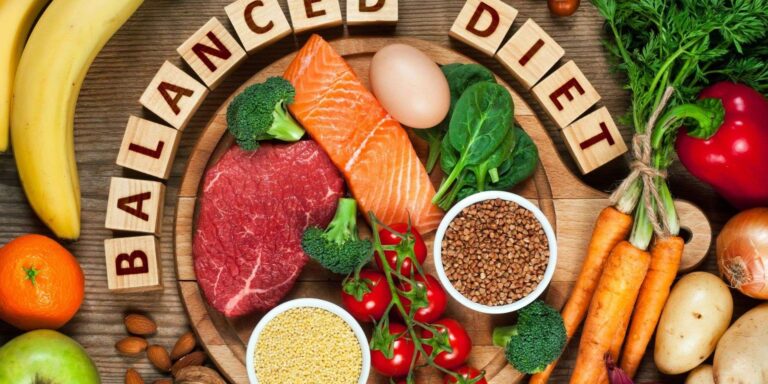
Bone broth is a nutrient-dense, supportive food, not a medicinal cure. Its greatest power lies in its role as part of a whole-foods, anti-inflammatory dietary pattern rich in vegetables, healthy fats, and high-quality proteins.
It is an excellent example of nose-to-tail eating, reducing food waste and extracting maximum nutrition from an animal.
Its benefits are synergistic and cumulative, not instantaneous.
It should be viewed as a culinary staple and wellness supplement, not a substitute for a varied diet or medical treatment.
Conclusion: An Ancestral Wisdom, Reclaimed
The resurgence of bone broth is a welcome return to culinary and nutritional wisdom. It provides a unique, easily absorbed package of building-block nutrients that are often scarce in the modern muscle-meat-focused diet. By supporting the gut, joints, skin, and overall resilience, it acts as a deeply nourishing, foundational food. To reap its benefits, prioritize quality sourcing, incorporate it consistently into your cooking routine, and enjoy it as one piece of a holistic approach to health—a warm, comforting link to the nourishing traditions of our past.
Simple Recipe Foundation:
Bones: 2-4 lbs of mixed bones (knuckle, marrow, feet for gelatin).
Water: Enough to cover by 2 inches.
Acid: 2 tbsp apple cider vinegar (helps extract minerals).
Aromatics: Onion, carrot, celery, garlic, bay leaf, peppercorns.
Method: Simmer gently for 12-24 hours (chicken/poultry) or 18-48 hours (beef/lamb). Skim foam early on. Strain, cool, and skim fat. Store in fridge (up to 5 days) or freezer.
Disclaimer: This article is for informational purposes only and is not a substitute for professional medical advice, diagnosis, or treatment. Always seek the advice of your physician or a registered dietitian before making significant dietary changes, especially if you have underlying health conditions.