The 8 Dangers of Processed Foods in Your Diet: A Comprehensive Guide to Modern Dietary Risk
Introduction: The Engineered Palate
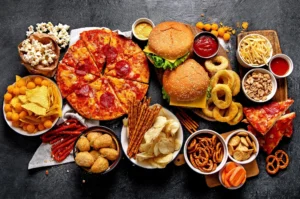
Processed foods have become the bedrock of the modern diet, constituting over 60% of the average calorie intake in industrialized nations. Ranging from minimally processed frozen vegetables to hyper-palatable, ready-to-eat meals, they offer unparalleled convenience and shelf-life. However, a significant and growing category—ultra-processed foods (UPFs)—poses a profound and well-documented threat to public health. Defined by the NOVA classification system, UPFs are industrial formulations containing ingredients not typically found in home kitchens: emulsifiers, artificial flavors, colorants, high-fructose corn syrup, hydrogenated oils, and protein isolates. These are not merely “modified” foods; they are engineered edible substances designed to override natural satiety signals, drive overconsumption, and create dependency. This guide details the eight most critical, evidence-backed dangers of making these foods a dietary staple.
Danger 1: Systemic Inflammation – The Silent Fire
The Mechanism: Ultra-processed foods are primary drivers of chronic, low-grade systemic inflammation, a root cause of most modern diseases.
Harmful Fats: High in omega-6 fatty acids (from refined vegetable oils like soybean, corn) and trans fats (from partially hydrogenated oils). This disrupts the healthy omega-6 to omega-3 ratio, promoting a pro-inflammatory state.
Advanced Glycation End Products (AGES): Formed when proteins/fats combine with sugar during high-temperature processing (e.g., frying, baking). AGEs accumulate in tissues, triggering oxidative stress and inflammation.
Lack of Anti-Inflammatory Compounds: They are devoid of the natural antioxidants, phytonutrients, and fiber found in whole plants that quench inflammation.
The Consequence: Sustained inflammation damages blood vessels (atherosclerosis), attacks pancreatic beta-cells (Type 2 diabetes), and creates a cellular environment conducive to cancer development.
Danger 2: Gut Microbiome Disruption & “Leaky Gut”
The Mechanism: The gut microbiome, essential for immunity, metabolism, and mental health, is highly sensitive to dietary inputs.
Emulsifiers & Artificial Sweeteners: Common additives like polysorbate-80 and carboxymethylcellulose can degrade the protective mucus layer of the gut and damage tight junctions between intestinal cells. This can lead to increased intestinal permeability (“leaky gut”), allowing bacteria and food particles to enter the bloodstream, triggering immune reactions.
Lack of Prebiotic Fiber: UPFs are typically fiber-deficient, starving beneficial gut bacteria (e.g., Bifidobacteria, Faecalibacterium prausnitzii) that produce anti-inflammatory short-chain fatty acids (SCFAs) like butyrate.
The Consequence: Dysbiosis (an imbalanced microbiome) is linked to inflammatory bowel disease (IBD), obesity, depression, autoimmune conditions, and colorectal cancer.
Danger 3: Addictive Eating Patterns & Reward Dysregulation
The Mechanism: Food scientists deliberately engineer UPFs to exploit the brain’s reward circuitry.
The “Bliss Point”: The precise combination of sugar, fat, and salt that maximizes palatability and pleasure, making the food irresistible.
Dynamic Contrast: Textural combinations (e.g., crunchy outside, soft inside) that increase sensory excitement.
Rapid Digestibility & Absorption: Refined carbs and fats are quickly broken down, causing a rapid spike in blood glucose and dopamine (the “reward” neurotransmitter). This mimics the effect of addictive substances, leading to cravings, tolerance, and withdrawal symptoms.
The Consequence: Loss of control over intake, compulsive eating behaviors, and the displacement of whole, satiating foods that regulate natural hunger cues.
Danger 4: Metabolic Chaos & Insulin Resistance
The Mechanism: The macronutrient composition and physical structure of UPFs wreak havoc on metabolic regulation.
Liquid Calories & Refined Carbohydrates: Sugary beverages and refined grains (white flour) cause rapid and extreme spikes in blood glucose and insulin. Over time, this leads to insulin resistance, where cells stop responding to insulin’s signal to take up glucose.
High Fructose Load: Particularly from high-fructose corn syrup (HFCS), which is metabolized primarily in the liver, driving de novo lipogenesis (new fat creation), increasing liver fat (NAFLD), and raising triglycerides.
The Consequence: A direct pathway to metabolic syndrome, Type 2 diabetes, non-alcoholic fatty liver disease (NAFLD), and cardiovascular disease.
Danger 5: Nutrient Displacement & “Hidden Hunger”
The Mechanism: This is a dual threat—UPFs are both nutrient-poor and actively replace nutrient-dense foods.
Empty Calories: They provide excessive energy (calories) from sugars, unhealthy fats, and refined flours while being devoid of essential vitamins, minerals, and phytonutrients.
The Displacement Effect: When the diet is dominated by UPFs, there is less “room” for whole foods like vegetables, fruits, legumes, nuts, and seeds. This leads to micronutrient deficiencies (e.g., magnesium, potassium, vitamins A, C, D, K) even in the context of caloric excess and obesity.
The Consequence: Obesity coupled with malnutrition, impaired immune function, poor bone health, and chronic fatigue.
Danger 6: Increased Risk of Cardiovascular Disease
The Mechanism: UPFs attack heart health through multiple, synergistic pathways.
Dyslipidemia: They raise LDL (“bad”) cholesterol and triglycerides while lowering HDL (“good”) cholesterol.
Hypertension: Extremely high sodium content (for preservation and flavor) directly increases blood pressure. Low potassium intake (due to lack of fruits/vegetables) exacerbates this.
Endothelial Dysfunction: Inflammation, oxidative stress, and high blood sugar damage the delicate lining of blood vessels, impairing their ability to dilate.
The Consequence: Accelerated atherosclerosis, heart attack, stroke, and heart failure. Epidemiological studies consistently show a dose-dependent relationship between UPF consumption and cardiovascular mortality.
Danger 7: Compromised Mental Health & Cognitive Decline
The Mechanism: The gut-brain axis and neuroinflammation are key players.
Neuroinflammation: Systemic inflammation triggered by UPFs can cross the blood-brain barrier, activating the brain’s immune cells (microglia), which is implicated in depression and anxiety.
Gut-Brain Disruption: An unhealthy microbiome produces fewer neurotransmitters (like serotonin, 95% of which is made in the gut) and beneficial SCFAs.
Oxidative Stress in the Brain: The lack of dietary antioxidants leaves brain cells vulnerable to damage.
The Consequence: Higher rates of depression, anxiety, and accelerated cognitive decline. Diets high in UPFs are linked to an increased risk of dementia, including Alzheimer’s disease.
Danger 8: Environmental & Ethical Degradation
The Mechanism: The danger extends beyond personal health to planetary and social health.
Resource Intensity: Industrial production of UPF ingredients (monocropped corn, soy, palm oil) drives deforestation, biodiversity loss, excessive water use, and soil degradation.
Plastic Pollution: UPFs are overwhelmingly packaged in single-use plastics, contributing massively to landfill waste and microplastic contamination.
Exploitative Labor Practices: The supply chain for cheap ingredients often relies on underpaid labor and poor working conditions.
The Consequence: Consumption of UPFs supports an unsustainable and inequitable food system that undermines global ecological stability and social justice.
Conclusion: Reclaiming Dietary Sovereignty
The dangers of ultra-processed foods are not isolated side effects; they are the predictable outcomes of a diet at odds with human biology. They represent a shift from nourishment to consumption, from food to commodity. While complete avoidance may be impractical in the modern world, conscious minimization is a powerful act of health preservation.
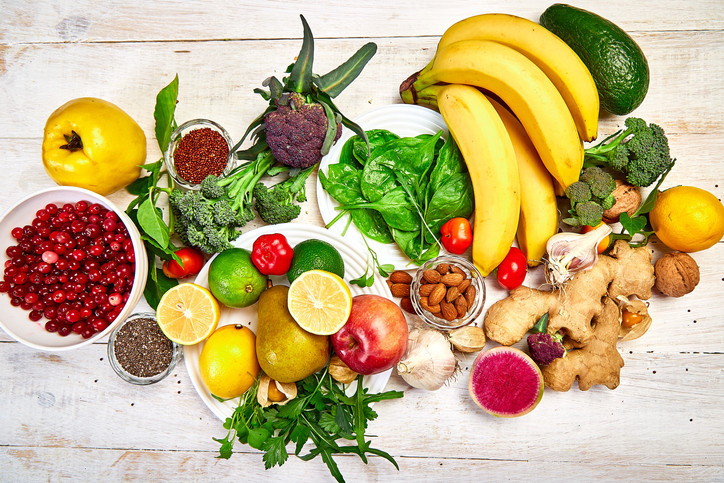
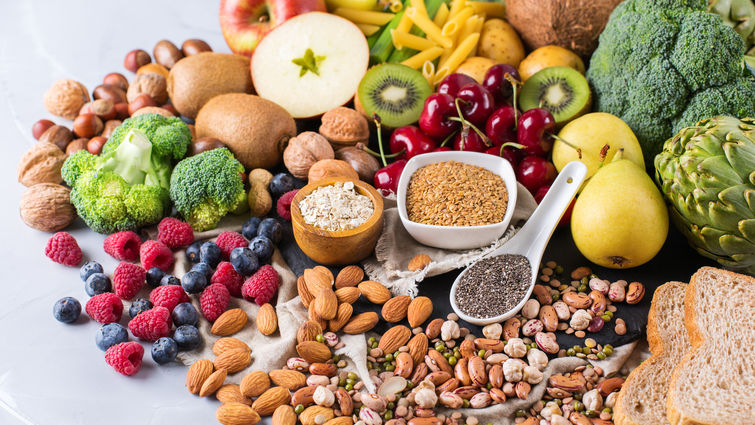
The solution is not found in a new supplement or superfood, but in a return to culinary basics: prioritizing whole, minimally processed foods, cooking at home, reading labels skeptically, and understanding that true convenience is the long-term health earned by today’s better choices. By drastically reducing UPF intake, you directly lower your risk for the dominant chronic diseases of our time and invest in a more resilient body, mind, and planet.
Practical Steps to Reduce Ultra-Processed Food Intake:
Shop the Perimeter: Focus your grocery shopping on the outer aisles (produce, meat, dairy).
Read Ingredient Lists: If it contains ingredients you don’t recognize or couldn’t buy in a store to cook with, put it back.
Prepare More Meals at Home: Start with simple recipes. Batch cook staples.
Identify Your “Gateway” UPF: Find the one processed item you consume most (e.g., soda, chips, sweetened yogurt) and find a whole-food alternative.
Embrace Healthy Fats & Proteins: These provide satiety and stability, reducing cravings for quick-energy UPFs.
Disclaimer: This article is for informational purposes only and is not a substitute for professional medical or nutritional advice. Dietary changes, especially for individuals with existing health conditions, should be undertaken in consultation with a registered dietitian or physician.