The Natural Approach: A Comprehensive Guide to Blood Pressure-Lowering Supplements
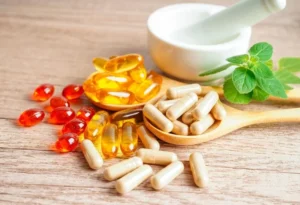
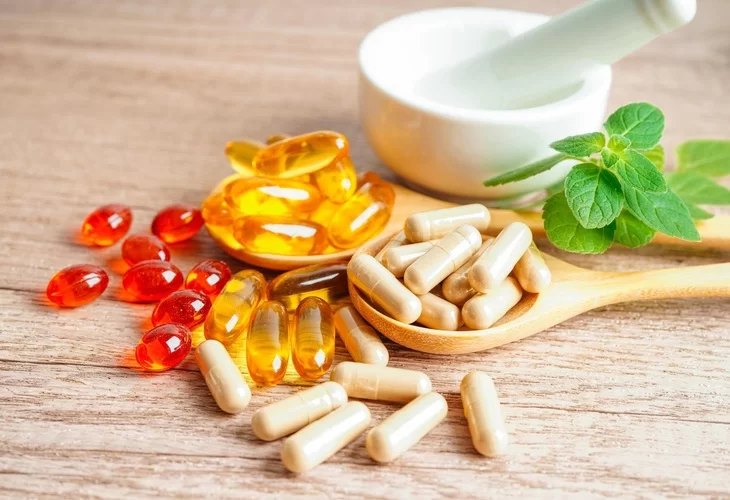
High blood pressure, or hypertension, is a silent epidemic affecting nearly half of all adults. Often presenting no symptoms, it steadily strains the heart and blood vessels, significantly increasing the risk of heart attack, stroke, and kidney disease. While prescription medications are essential for many, a growing body of scientific evidence supports the use of specific dietary supplements as a complementary strategy for managing healthy blood pressure levels.
This article provides a detailed, evidence-based exploration of the most promising supplements, their mechanisms of action, recommended dosages, and crucial safety considerations.
Important Disclaimer: This article is for informational purposes only. Do not start, stop, or change any medication or supplement regimen without consulting your healthcare provider. Supplements are intended to complement, not replace, a heart-healthy lifestyle and prescribed treatments.
Understanding the Goal: How Supplements Can Help
Blood pressure is the force of blood pushing against artery walls. Supplements can help lower it through several key physiological pathways:
Promoting Vasodilation: Relaxing and widening blood vessels.
Reducing Vascular Resistance: Decreasing the stiffness of artery walls.
Modulating Electrolytes: Helping the kidneys excrete excess sodium (a key driver of high blood pressure).
Reducing Oxidative Stress & Inflammation: Addressing underlying factors that damage blood vessels.
Inhibiting the Renin-Angiotensin System: A hormone system that regulates blood pressure.
The Top Evidence-Based Contenders
Here is a breakdown of the most well-researched supplements for blood pressure management.
1. Potassium
How it Works: Potassium is a crucial electrolyte that counteracts the effects of sodium. It helps the kidneys remove excess sodium through urine and eases tension in blood vessel walls.
The Evidence: Extensive research shows that increased potassium intake is associated with significant reductions in both systolic and diastolic blood pressure. The effect is more pronounced in individuals with high sodium intake.
Dosage: Aim for 3,500-5,000 mg per day from food and supplements combined. The typical diet is often deficient.
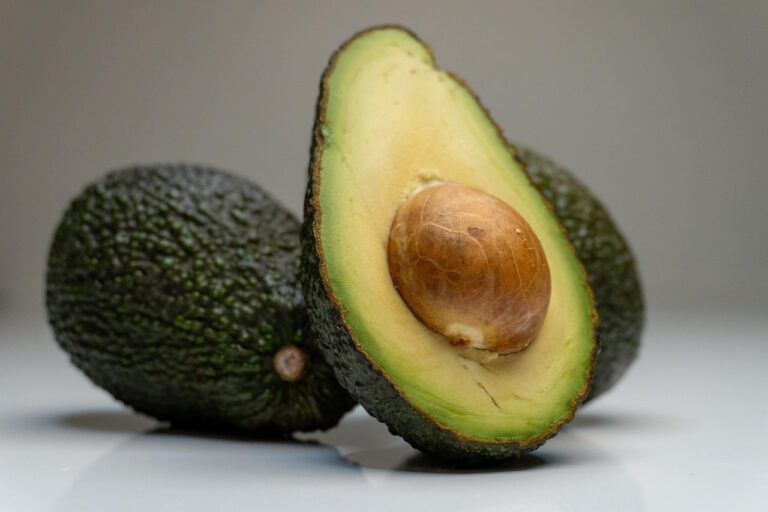
Forms & Sources: Citrate or chloride forms. Food sources are ideal: leafy greens, beans, potatoes, bananas, avocados.
Crucial Caution: Excessive potassium (hyperkalemia) is dangerous, especially for those with kidney disease or on certain medications like ACE inhibitors or potassium-sparing diuretics. Medical supervision is vital.
2. Magnesium
How it Works: Magnesium acts as a natural calcium channel blocker, promoting vasodilation. It also helps regulate other electrolytes like potassium and sodium.
The Evidence: Multiple meta-analyses conclude that magnesium supplementation can produce a modest but statistically significant reduction in blood pressure, particularly in populations with deficiency or hypertension.
Dosage: Typical study doses range from 300 mg to 500 mg daily of elemental magnesium.
Forms & Sources: Glycinate and citrate are highly bioavailable forms. Food sources include nuts, seeds, spinach, and dark chocolate.
Side Effects: High doses can cause diarrhea. Start low and increase gradually.
3. Omega-3 Fatty Acids (Fish Oil)
How it Works: EPA and DHA from fish oil reduce inflammation, improve arterial function, and can lower levels of stress hormones that constrict blood vessels.
The Evidence: The effect is generally mild but consistent. Higher doses (over 2,000 mg of combined EPA/DHA) are typically needed to see a meaningful impact on blood pressure.
Dosage: 1,000 – 3,000 mg of combined EPA and DHA daily.
Forms & Sources: Look for triglyceride-form fish oil or algal oil (for vegetarians). Choose products certified for purity (free of heavy metals).
Side Effects: High doses may thin the blood; consult a doctor if on anticoagulants.
4. Coenzyme Q10 (CoQ10)
How it Works: This antioxidant is vital for cellular energy production, particularly in the heart muscle. It improves endothelial function and may reduce oxidative stress in blood vessels.
The Evidence: Particularly promising for individuals with hypertension who are on statin medications (which deplete CoQ10). Studies show reductions in systolic blood pressure.
Dosage: 100 – 300 mg daily. The ubiquinol form is more bioavailable, especially for those over 40.
Note: Effects may take 4-12 weeks to manifest.
5. Garlic (Aged Garlic Extract)
How it Works: Garlic increases the production of nitric oxide and hydrogen sulfide, both potent vasodilators. It may also have mild diuretic properties.
The Evidence: Aged garlic extract (AGE) is the most studied form. Meta-analyses suggest it can reduce systolic pressure by about 7-10 mmHg and diastolic by 4-6 mmHg, comparable to some first-line medications.
Dosage: 600 – 1,200 mg daily of aged garlic extract, standardized for allicin potential.
Side Effects: May interact with blood thinners. Odorless formulations are available.
6. Beetroot Juice / Nitrate
How it Works: Dietary nitrate (abundant in beets and leafy greens) is converted in the body to nitric oxide, a molecule that directly signals blood vessels to relax.
The Evidence: Strong evidence for acute and chronic blood pressure-lowering effects, especially in improving systolic pressure.
Dosage: Equivalent of 500 ml beetroot juice or 6-8 mmol nitrate daily.
Note: Can cause harmless reddening of urine/stool. High oxalate content may be a concern for those prone to kidney stones.
7. Hibiscus (Hibiscus sabdariffa)
How it Works: Acts as a natural ACE inhibitor and diuretic, and is rich in blood vessel-protecting anthocyanins.
The Evidence: Several clinical trials show hibiscus tea or extract can significantly lower blood pressure, with effects comparable to common medications like captopril.
Dosage: 1-2 cups of strong tea daily or 500-1,000 mg of standardized extract.
Caution: May potentiate the effects of diuretic (“water pill”) medications.
Honorable Mentions with Emerging Evidence
Vitamin C: High-dose IV vitamin C shows promise; oral supplementation’s effect is milder but may be beneficial for those with low intake.
Melatonin: Primarily for night-time dosing, it may help regulate circadian-related blood pressure dips (nocturnal hypertension).
Probiotics: Specific strains (especially Lactobacillus) may have a modest effect through improving gut health and reducing systemic inflammation.
The Non-Negotiables: Lifestyle as the Foundation
Supplements are adjuncts, not magic bullets. They work best when combined with:
The DASH Diet: Rich in fruits, vegetables, whole grains, and low-fat dairy.
Sodium Reduction: Aim for less than 2,300 mg, ideally 1,500 mg daily.
Regular Exercise: At least 150 minutes of moderate aerobic activity per week.
Weight Management: Losing even 5-10% of body weight can dramatically impact BP.
Stress Management & Quality Sleep: Chronic stress and poor sleep are major contributors.
Limiting Alcohol & Caffeine.
Critical Safety & Interaction Checklist
Consult Your Doctor First: This is non-negotiable. Your doctor knows your full medical history and medication list.
Drug Interactions are Real: Supplements like potassium, magnesium, CoQ10, garlic, and hibiscus can interact with blood pressure medications (diuretics, ACE inhibitors), blood thinners, and others, potentially leading to dangerous lows or other complications.
Quality Matters: Choose supplements from reputable brands that undergo third-party testing (USP, NSF, ConsumerLab) for purity, potency, and the absence of contaminants.
Start Low, Go Slow: Introduce one supplement at a time to monitor your body’s response.
Monitor Your BP: Keep a home blood pressure log to track trends and share with your healthcare team.
Conclusion
For individuals looking to support healthy blood pressure naturally, specific supplements like potassium, magnesium, omega-3s, and aged garlic extract offer compelling, science-backed benefits. However, they are most effective as part of a synergistic strategy that prioritizes a heart-healthy diet and lifestyle. The path to better blood pressure control begins with a conversation with your healthcare provider, who can help you integrate these tools safely and effectively into your personal health plan. By taking an informed and proactive approach, you can empower yourself to protect one of your most vital assets—your cardiovascular health.