The Science of Slimming: A Detailed Guide to Foods and Fruits for Sustainable Weight Loss
Weight loss fundamentally boils down to consuming fewer calories than you burn—a concept known as a calorie deficit. However, not all calories are created equal. The most powerful approach to weight management isn’t deprivation; it’s strategic nourishment. By focusing on foods that maximize satiety, boost metabolism, and provide essential nutrients, you can lose weight effectively while feeling energized and satisfied.
This guide moves beyond simple lists to explore the science of why certain foods and fruits are weight-loss powerhouses and how to incorporate them into a sustainable, healthy eating pattern.
The Core Principles: What Makes a Food “Good” for Weight Loss?
The most effective weight-loss foods typically share one or more of these characteristics:
High in Protein: Protein increases satiety (feeling full), reduces hunger hormones (like ghrelin), and has a high thermic effect—meaning your body burns more calories digesting it.
High in Fiber: Fiber adds bulk without calories, slows digestion to stabilize blood sugar and curb cravings, and promotes a healthy gut microbiome linked to healthier body weight.
High in Water & Volume: Foods with high water content (like fruits and vegetables) have low calorie density. You can eat a larger, more satisfying volume for fewer calories.
Minimally Processed: Whole foods are more filling and nutrient-dense than their processed counterparts, which are often loaded with added sugars, unhealthy fats, and empty calories designed to trigger overeating.
Category 1: The Satiety Superstars (Protein & Healthy Fats)
These foods keep hunger at bay for hours, preserving muscle mass and providing steady energy.
1. Lean Proteins:
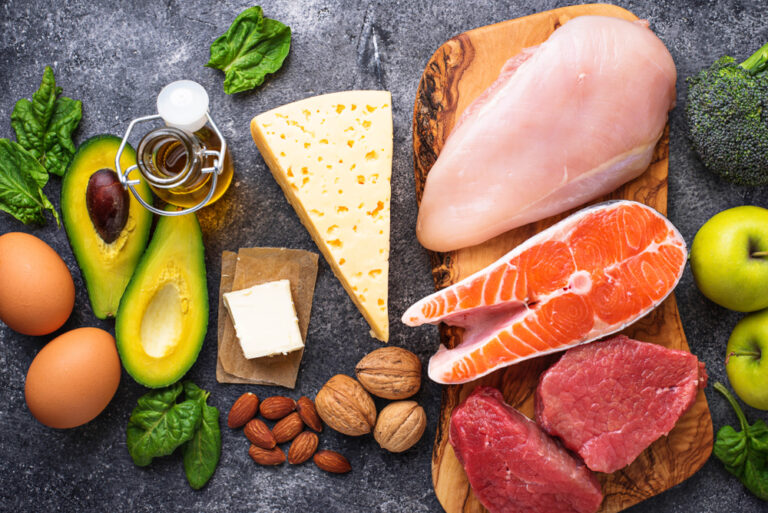
Eggs: A complete protein source. Studies show that an egg-based breakfast can reduce calorie intake for up to 36 hours compared to a carbohydrate-heavy breakfast.
Chicken Breast & Turkey: Extremely high in protein and low in fat (if skinless). Versatile for meals throughout the week.
Fish & Shellfish: Salmon, tuna, mackerel, and sardines are rich in protein and omega-3 fatty acids, which may reduce inflammation linked to obesity. Shrimp and cod are very low-calorie, high-protein options.
Greek Yogurt & Skyr: Pack nearly double the protein of regular yogurt. Choose plain, unsweetened versions and add your own fruit to avoid added sugars. The probiotics also support gut health.
Legumes: Lentils, black beans, chickpeas, and kidney beans are unique as they combine substantial protein and fiber. This one-two punch is exceptionally effective for promoting fullness and regulating blood sugar.
2. Healthy Fats:
Avocados: Rich in monounsaturated fats and fiber. Research suggests avocado eaters tend to have lower body weight and waist circumferences. The fat helps absorb fat-soluble vitamins from other vegetables.
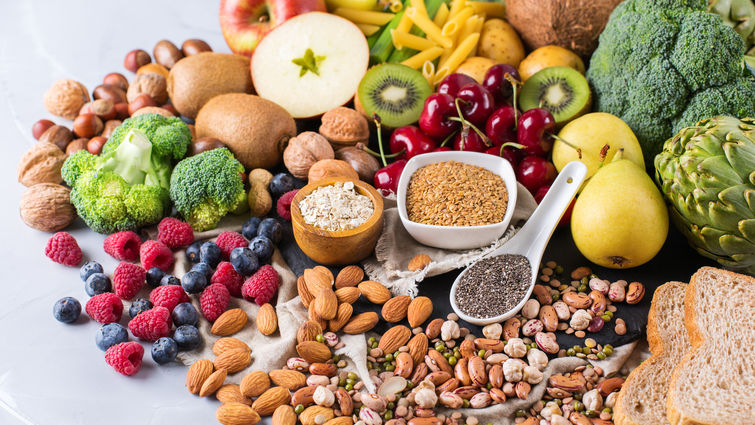
Nuts & Seeds: Almonds, walnuts, chia seeds, and flaxseeds are calorie-dense but promote satiety. Their combination of protein, fiber, and healthy fats requires chewing, which slows intake and allows fullness signals to register. Key: Stick to a small handful (about 1 oz) as a portion.
Olive Oil: The cornerstone of the Mediterranean diet. Using it to replace refined oils or butter can improve diet quality and support weight management.
Category 2: The Volume Champions (Fiber-Rich Vegetables & Fruits)
You can eat these in large quantities to feel physically full while consuming minimal calories.
1. Non-Starchy Vegetables (The Ultimate Low-Calorie Fillers):
Leafy Greens: Spinach, kale, Swiss chard, romaine. Use them as a salad base, blend into smoothies, or sauté as a side.
Cruciferous Vegetables: Broccoli, cauliflower, Brussels sprouts, cabbage. They are high in fiber and contain compounds that may have anti-obesity effects. Their sturdy texture requires more chewing.
Other High-Volume Veggies: Bell peppers, cucumbers, celery, zucchini, tomatoes, mushrooms, asparagus. These can be added to omelets, stir-fries, or eaten as crunchy snacks with hummus.
2. Fruits: Nature’s Sweet, Fiber-Packed Treats
Fruits contain natural sugars (fructose), but their fiber and water content mitigate blood sugar spikes, making them far superior to processed sweets.
Berries (Top Tier): Raspberries, blackberries, blueberries, strawberries. They have the highest fiber-to-sugar ratio of all fruits. Raspberries offer a remarkable 8 grams of fiber per cup. They’re also packed with antioxidants.
Grapefruit: Often cited in weight loss studies. The “grapefruit diet” is a fad, but evidence suggests eating grapefruit before meals can enhance feelings of fullness and reduce calorie intake.
Apples & Pears: High in pectin, a type of soluble fiber that slows digestion. Eating a whole apple is far more filling than drinking apple juice.
Stone Fruits: Peaches, plums, nectarines, and cherries are low-glycemic, sweet, and satisfying.
Watermelon: Despite its sweet taste, it’s low in calories (about 46 per cup) due to its very high water content (92%). It’s hydrating and volumizing.
A Critical Note on Fruit: Whole, fresh, or frozen fruit is the goal. Avoid fruit juices, dried fruits (highly concentrated in sugar and easy to overeat), and fruit canned in syrup.
Category 3: The Metabolic Supporters (Complex Carbs & Functional Foods)
These foods provide sustained energy and support metabolic health.
Oats & Whole Grains: Steel-cut or rolled oats are a fantastic breakfast. The soluble fiber (beta-glucan) forms a gel in the gut, delaying hunger. Quinoa, farro, and brown rice are excellent, fiber-rich side dishes.
Potatoes: Surprisingly, boiled or baked white and sweet potatoes are incredibly satiating per calorie. They are rich in potassium and vitamin C. The problem arises from preparation—frying or loading them with butter, sour cream, and bacon.
Chili Peppers: Contain capsaicin, a compound that may temporarily boost metabolism and increase fat burning while reducing appetite.
Green Tea: Contains catechins and a small amount of caffeine. Studies suggest it can slightly increase metabolic rate and enhance fat burning, especially during exercise.
Apple Cider Vinegar: When taken before a meal (1-2 tbsp diluted in water), it may increase feelings of fullness and lead to a modest reduction in calorie intake for the rest of the day.
How to Build Your Plate: The Practical Strategy
The goal is to combine categories for maximum effect at every meal.
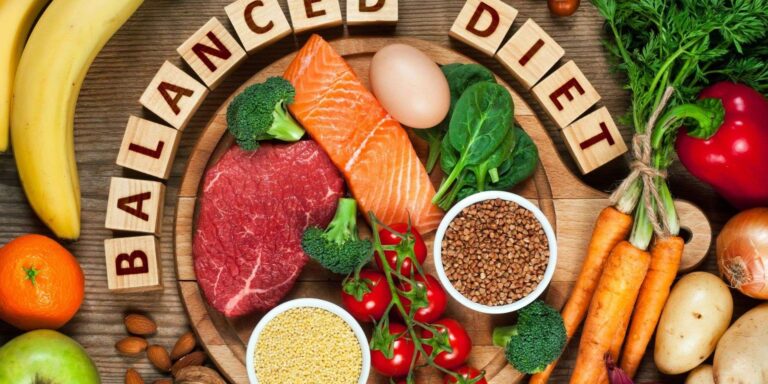
The Half-Plate Rule: Fill 50% of your plate with non-starchy vegetables (Category 2).
The Protein Anchor: Dedicate 25% of your plate to a lean protein source (Category 1).
The Energy Foundation: Use the remaining 25% for a complex carbohydrate or starchy vegetable (Category 3).
Add Healthy Fat: Include a serving of healthy fat (avocado, olive oil, nuts) in your meal.
Finish with Fruit: Have a serving of fruit (Category 2) as a dessert or snack.
Example Meal: A large bed of spinach and roasted broccoli (50%), a grilled chicken breast (25%), a small serving of quinoa (25%), drizzled with a lemon-tahini dressing (healthy fat). An apple or bowl of berries for dessert.
Foods to Minimize or Avoid
To make room for the nutrient-dense foods above, consciously reduce:
Sugar-Sweetened Beverages: Soda, juice, sweetened coffee drinks (liquid calories don’t trigger satiety).
Refined Carbohydrates: White bread, pastries, cookies, most crackers.
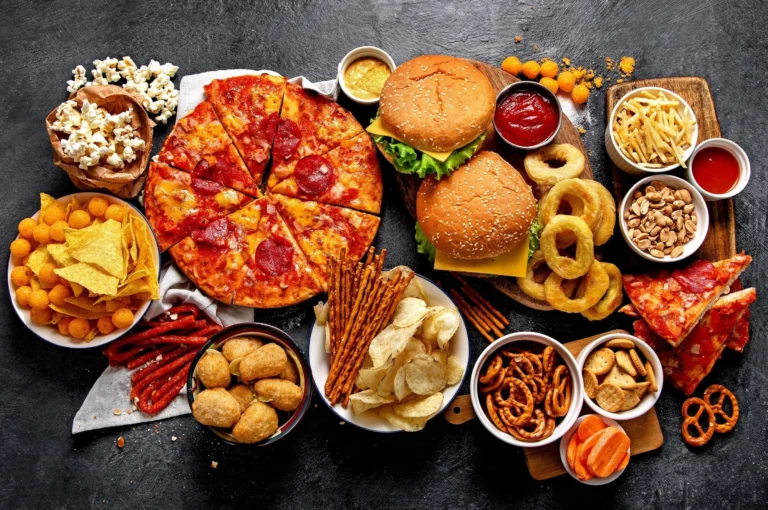
Ultra-Processed Foods: Chips, fast food, frozen meals high in sodium and unhealthy fats. These are engineered to override your body’s natural fullness signals.
The Final Word: Sustainability Over Speed
The most effective diet is one you can maintain. Incorporate these foods gradually. Experiment with herbs and spices to make vegetables delicious. Allow yourself flexibility—rigid restriction often leads to rebound overeating.
Weight loss is a marathon, not a sprint. By shifting your focus to nutrient density, satiety, and overall health, you empower yourself to lose weight not through willpower alone, but by strategically choosing foods that work in harmony with your body’s biology. Always consult with a healthcare professional or registered dietitian for personalized guidance tailored to your individual needs.