Fortifying the Mind: A Detailed Guide to Foods That Combat Brain Aging
The Gray Matter Revolution
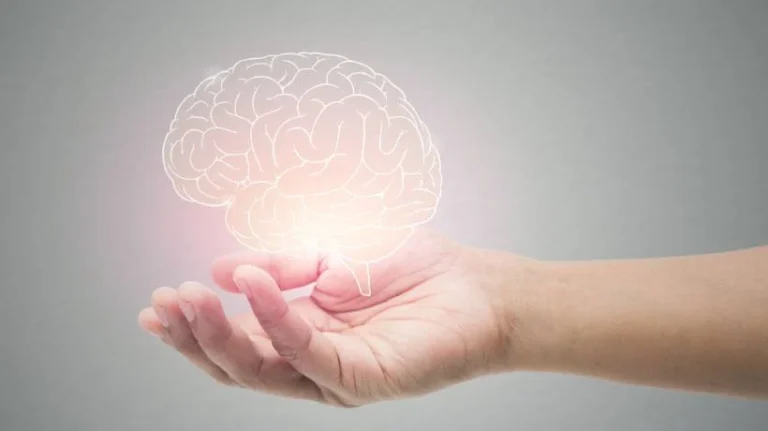
In the quest for longevity, protecting our cognitive health has become a paramount concern. Brain aging—characterized by memory lapses, slower processing speed, and reduced cognitive flexibility—was once considered inevitable. However, groundbreaking nutritional neuroscience reveals that what we eat profoundly influences how our brain ages. This comprehensive guide explores the science of neuroprotective nutrition and identifies specific foods that can help preserve cognitive function, potentially delaying or preventing age-related decline.
The Science of Brain Aging: Why Nutrition Matters
Brain aging involves complex biological processes:
Oxidative stress: Free radicals damage brain cells
Inflammation: Chronic inflammation harms neurons and connections
Reduced blood flow: Diminished oxygen and nutrient delivery
Accumulation of proteins: Beta-amyloid plaques and tau tangles
Reduced neuroplasticity: The brain’s ability to reorganize and form new connections declines
Nutrition intervenes at each of these levels, offering powerful neuroprotection through specific biochemical pathways.
The Neuroprotective Food Framework
1. The Omega-3 Powerhouses: Building Brain Cell Membranes
How they work: The brain is nearly 60% fat, with omega-3 fatty acids (particularly DHA) comprising a significant portion of neuronal membranes. DHA maintains membrane fluidity, facilitates communication between brain cells, and reduces inflammation.
Top Sources:
Fatty fish: Wild-caught salmon (especially sockeye), sardines, mackerel, herring
Scientific insight: The landmark Framingham Heart Study found that people with the highest DHA levels had a 47% reduction in dementia risk
Preparation tip: Bake or steam fish; avoid deep-frying which can damage delicate fats
Vegetarian alternative: Algal oil supplements derived from microalgae
2. The Berry Brigade: Antioxidant Warriors
How they work: Berries contain flavonoids, particularly anthocyanins, that cross the blood-brain barrier to exert direct antioxidant and anti-inflammatory effects. They also enhance communication between neurons and stimulate neurogenesis (the birth of new brain cells).
Top Sources:
Blueberries: Dubbed “brain berries” in research, they’ve been shown to improve memory in older adults
Blackberries & Raspberries: Rich in polyphenols and fiber
Strawberries: High in fisetin, a flavonoid linked to reduced cognitive decline
Scientific insight: The Nurses’ Health Study found women who ate at least one serving of blueberries and two servings of strawberries weekly delayed cognitive aging by up to 2.5 years
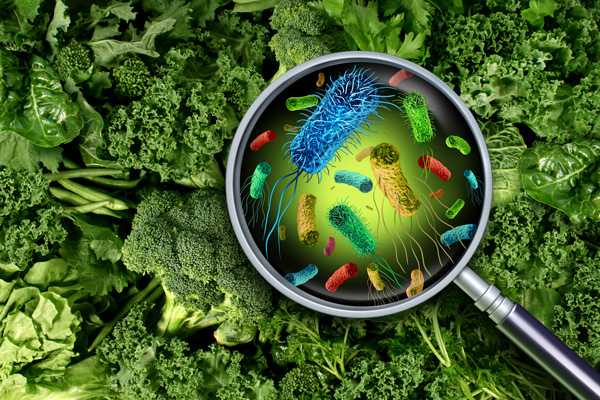
3. The Leafy Green Legion: Vitamin K and Folate Guardians
How they work: Dark leafy greens are rich in brain-protective nutrients including vitamin K, lutein, folate, and beta-carotene. These nutrients help slow cognitive decline, possibly by reducing oxidative stress and homocysteine levels (an amino acid linked to brain atrophy).
Top Sources:
Kale: Contains over 45 different flavonoids with antioxidant properties
Spinach: Rich in folate and vitamin E
Swiss chard & Collard greens: Excellent sources of magnesium and vitamin K
Scientific insight: The MIND diet study found that consuming 1-2 servings of leafy greens daily was associated with cognitive function equivalent to being 11 years younger
4. The Nut and Seed Consortium: Vitamin E Storehouses
How they work: Nuts and seeds provide healthy fats, antioxidants, and vitamin E—a fat-soluble antioxidant that protects cell membranes from oxidative damage. Almonds and sunflower seeds are particularly rich in alpha-tocopherol, the form of vitamin E most bioactive in humans.
Top Sources:
Walnuts: Contain the highest concentration of DHA-type omega-3s among nuts
Almonds: Rich in vitamin E and riboflavin
Flaxseeds & Chia seeds: Provide ALA omega-3s and fiber
Pumpkin seeds: Excellent source of zinc, crucial for nerve signaling
Scientific insight: The PREDIMED trial found that a Mediterranean diet supplemented with nuts reduced stroke risk (a major cause of cognitive decline) by 46%
5. The Cruciferous Crusaders: Sulforaphane Activators
How they work: Cruciferous vegetables contain sulforaphane, a compound that activates the Nrf2 pathway—the body’s master regulator of antioxidant response. They also contain glucosinolates that slow the breakdown of acetylcholine, a neurotransmitter essential for memory.
Top Sources:
Broccoli & Broccoli sprouts: Sprouts contain 10-100 times more glucoraphanin (a sulforaphane precursor)
Brussels sprouts: Rich in choline, essential for acetylcholine production
Cauliflower: Contains selenium and folate
Preparation tip: Chop and let sit for 30-40 minutes before cooking to maximize sulforaphane formation
6. The Legume League: Complex Carbohydrate and B Vitamin Sources
How they work: Legumes provide steady glucose (the brain’s primary fuel) along with B vitamins essential for neurotransmitter synthesis. Their low glycemic index prevents blood sugar spikes that can damage brain vessels.
Top Sources:
Lentils: Highest protein content of all legumes
Black beans: Rich in anthocyanins like those found in berries
Chickpeas: Good source of magnesium for nerve function
7. The Whole Grain Guild: Sustained Energy Providers
How they work: Whole grains provide steady glucose release while containing B vitamins, fiber, and antioxidants not found in refined grains. They support vascular health, crucial for maintaining cerebral blood flow.
Top Sources:
Oats: Rich in beta-glucan fiber that may reduce inflammation
Quinoa: A complete protein containing all essential amino acids
Brown rice & Barley: Provide manganese for antioxidant enzyme function
8. The Beverage Benefactors: Polyphenol Power
How they work: Certain beverages contain concentrated polyphenols that offer neuroprotection through multiple pathways.
Top Sources:
Green tea: Contains EGCG (epigallocatechin gallate) which can cross the blood-brain barrier to reduce beta-amyloid plaque formation
Coffee: Caffeine combined with antioxidants may reduce risk of cognitive decline; studies show 3-5 cups daily associated with 65% lower dementia risk
Cocoa (dark chocolate >70%): Flavanols improve blood flow to the brain and may enhance memory
Special Mention: The Spice Rack Neuroprotectors
Turmeric (Curcumin): Crosses the blood-brain barrier, reduces inflammation, and may help clear amyloid plaques. Tip: Combine with black pepper (piperine) to enhance absorption by 2000%.
Cinnamon: Contains compounds that may inhibit tau protein aggregation (associated with Alzheimer’s).
Rosemary & Sage: Contain carnosic acid that activates neuroprotective pathways.
The MIND Diet: A Science-Backed Eating Pattern
The Mediterranean-DASH Intervention for Neurodegenerative Delay (MIND) diet combines elements of the Mediterranean and DASH diets with specific brain-healthy foods. Research shows it can reduce Alzheimer’s risk by up to 53% when followed rigorously.
Core components:
Daily: Leafy greens + one other vegetable
Daily: Nuts
Most days: Berries, beans, whole grains, olive oil
Weekly: Fish, poultry, wine (optional)
Limited: Red meat, butter/margarine, cheese, pastries/sweets, fried/fast food
The Gut-Brain Axis: An Emerging Frontier
Recent research reveals our gut microbiome profoundly influences brain health through the gut-brain axis. Foods that support a healthy gut microbiome indirectly support brain health:
Fermented foods: Kimchi, sauerkraut, kefir, yogurt
Prebiotic fibers: Garlic, onions, asparagus, bananas
Polyphenol-rich foods: Berries, cocoa, green tea
Practical Implementation: Building a Brain-Healthy Plate
The Neuroprotective Plate Method:
50% Vegetables: Emphasize leafy greens and cruciferous varieties
25% Quality Protein: Focus on fatty fish, legumes, occasional poultry
25% Whole Grains or Starchy Vegetables: Quinoa, sweet potatoes, oats
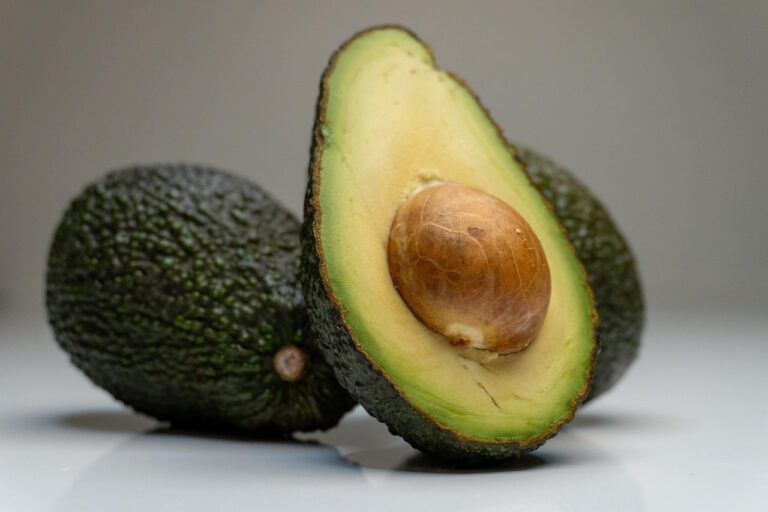
Add Healthy Fats: Extra virgin olive oil, avocado, nuts/seeds
Include Color: Berries, colorful vegetables for diverse antioxidants
Flavor with Neuroprotective Spices: Turmeric, cinnamon, rosemary
Sample Day of Brain-Nourishing Meals:
Breakfast: Oatmeal with walnuts, blueberries, and cinnamon
Lunch: Large spinach salad with salmon, broccoli, olive oil dressing
Snack: Apple with almond butter
Dinner: Lentil curry with turmeric, cauliflower, and brown rice
Beverage: Green tea throughout the day
Foods to Limit for Brain Health
While adding brain-healthy foods is crucial, reducing certain foods is equally important:
Added sugars and refined carbohydrates: Promote inflammation and oxidative stress
Trans fats and processed vegetable oils: Increase inflammation and may damage brain cells
Excessive alcohol: Neurotoxic in high amounts
Highly processed foods: Often contain additives that may harm the gut-brain axis
The Lifestyle Context: Nutrition as One Piece
While nutrition powerfully influences brain aging, it works best within a holistic lifestyle approach:
Regular physical exercise: Increases blood flow to the brain and stimulates BDNF (brain-derived neurotrophic factor)
Quality sleep: Essential for clearing metabolic waste from the brain
Stress management: Chronic stress elevates cortisol, which can damage the hippocampus
Cognitive stimulation: “Use it or lose it” applies to neural connections
Social engagement: Meaningful relationships buffer against cognitive decline
Conclusion: Your Fork as a Cognitive Tool
The emerging field of nutritional psychiatry confirms that our dietary patterns significantly influence how our brains age. By consistently choosing foods rich in antioxidants, anti-inflammatory compounds, healthy fats, and neuroprotective phytochemicals, we’re not just feeding our bodies—we’re actively nourishing and protecting our cognitive capital.
Start with one change: add a daily serving of leafy greens or berries, swap fish for red meat once a week, or incorporate walnuts into your breakfast. The cumulative effect of these choices, sustained over years, can build formidable defense against age-related cognitive decline.
As research continues to evolve, one principle remains clear: the path to maintaining a sharp, resilient mind as we age is significantly influenced by what’s on our plate.
Important Note: While nutrition powerfully supports brain health, it doesn’t replace medical care. Consult with healthcare providers about any cognitive concerns, as some causes of cognitive decline require medical intervention.