Belly Fat: The Definitive Guide to Understanding and Eliminating Visceral Adipose Tissue
Introduction: The Stubborn Truth About Belly Fat
Belly fat isn’t just a cosmetic concern—it’s a metabolic time bomb with profound health implications. Unlike subcutaneous fat (the pinchable kind just under your skin), visceral fat (the deep abdominal fat surrounding your organs) actively secretes inflammatory compounds, disrupts hormones, and significantly increases your risk for chronic diseases. This comprehensive guide moves beyond quick-fix myths to explore the science of abdominal adiposity and provides an evidence-based, sustainable approach to reducing dangerous belly fat.
Section 1: Understanding Belly Fat – More Than Just “Extra Weight”
The Two Types of Abdominal Fat
1. Subcutaneous Fat:
Location: Between skin and abdominal wall
Function: Energy storage, insulation
Health Risk: Low to moderate (except in extreme amounts)
Characteristics: Pinchable, jiggly, distributed throughout body
2. Visceral Fat (Intra-Abdominal Fat):
Location: Deep within abdomen, surrounding organs (liver, pancreas, intestines)
Function: Originally for organ protection, becomes pathological in excess
Health Risk: High – metabolically active “endocrine organ”
Characteristics: Firm, creates “apple shape,” measured by waist circumference
Why Visceral Fat Is So Dangerous
Biological Activity of Visceral Fat:
Inflammatory Factory: Produces cytokines (IL-6, TNF-α) that promote systemic inflammation
Hormone Disruptor: Increases cortisol sensitivity, alters sex hormone metabolism
Free Fatty Acid Release: Directly to liver via portal vein → insulin resistance
Adipokine Secretion: Alters appetite regulation, blood pressure, clotting
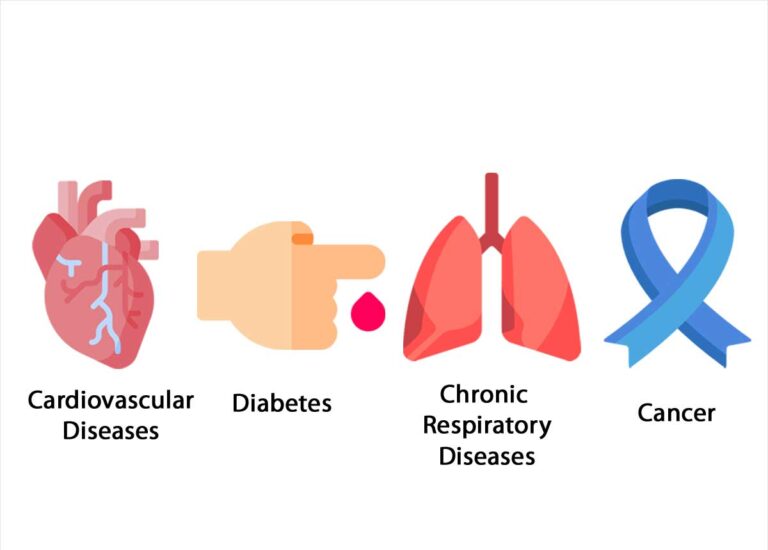
Health Consequences of Excess Visceral Fat:
Type 2 Diabetes: 7x increased risk with high visceral fat
Cardiovascular Disease: Doubles heart attack/stroke risk
Certain Cancers: Breast, colorectal, pancreatic
Dementia: 3x higher Alzheimer’s risk
Non-Alcoholic Fatty Liver Disease (NAFLD): Direct fat infiltration
Metabolic Syndrome: Cluster of risk factors affecting 1 in 3 adults
Section 2: The Root Causes – Why Belly Fat Accumulates
Primary Drivers of Visceral Fat Storage
1. Calorie Surplus with Specific Macronutrient Patterns:
Excess fructose: Particularly from sugar-sweetened beverages
Refined carbohydrates: Rapid blood sugar spikes → insulin → fat storage
Trans fats: Increase abdominal fat deposition preferentially
2. Hormonal Imbalances:
Cortisol: Chronic stress → increased abdominal fat storage
Insulin: Resistance leads to preferential visceral fat accumulation
Sex hormones: Low testosterone (men), estrogen dominance (women)
Leptin resistance: Satiety hormone dysfunction leads to overeating
3. Lifestyle Factors:
Sleep deprivation: <6 hours nightly increases visceral fat 30%
Sedentary behavior: Sitting >8 hours daily independently increases risk
Alcohol consumption: Especially beer and liquor (“beer belly” is real)
Smoking: Associated with increased abdominal obesity
4. Genetic Predisposition:
Apple vs. Pear: Body fat distribution patterns are 30-60% heritable
FTO gene: Variants affect hunger regulation and fat distribution
Not destiny: Lifestyle modifies genetic expression significantly
5. Aging-Related Changes:
Sarcopenia: Muscle loss decreases metabolic rate
Hormonal shifts: Menopause/andropause change fat distribution
Mitochondrial decline: Reduced cellular energy burning capacity
Section 3: The Evidence-Based Elimination Strategy
Phase 1: Nutrition – The Foundation of Visceral Fat Loss
The Anti-Belly Fat Eating Pattern
Principles:
Moderate Calorie Deficit: 300-500 calories below maintenance
High Protein Priority: 30% of calories from quality protein
Smart Carbohydrate Selection: Low-glycemic, fiber-rich sources
Healthy Fat Inclusion: Especially monounsaturated and omega-3s
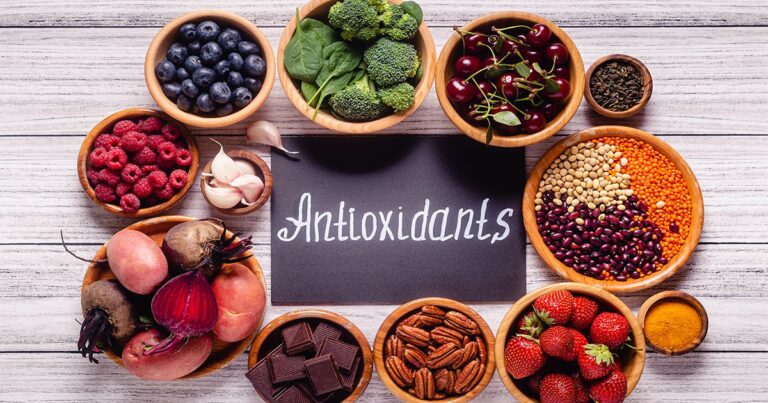
Anti-Inflammatory Focus: Phytonutrient-rich foods
Foods to Emphasize:
Protein (25-30g per meal):
Lean meats: Chicken, turkey, lean beef
Fish: Salmon, mackerel, sardines (omega-3 rich)
Eggs: Whole eggs with yolks (nutrient dense)
Plant proteins: Lentils, chickpeas, tofu, tempeh
Dairy: Greek yogurt, cottage cheese, whey protein
Fiber-Rich Carbohydrates:
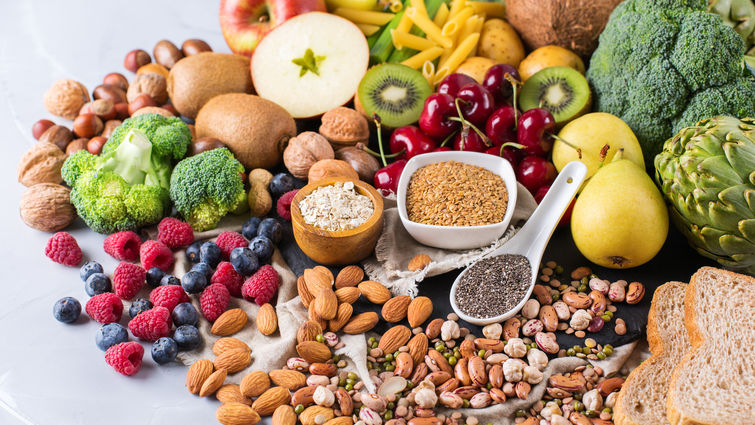
Non-starchy vegetables: Leafy greens, broccoli, cauliflower, peppers
Low-glycemic fruits: Berries, apples, citrus, stone fruits
Whole grains: Oats, quinoa, farro, brown rice (in moderation)
Legumes: All beans, lentils, chickpeas
Healthy Fats:
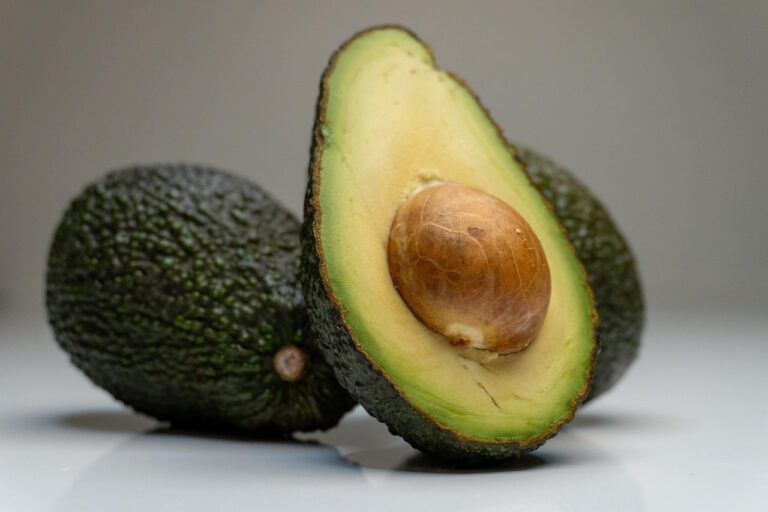
Monounsaturated: Avocados, olive oil, nuts (especially almonds, walnuts)
Omega-3: Fatty fish, chia seeds, flaxseeds, walnuts
Medium-chain triglycerides: Coconut oil (may preferentially reduce abdominal fat)
Anti-Inflammatory Superfoods:
Turmeric: Curcumin reduces inflammation and may inhibit fat cell growth
Green tea: EGCG enhances fat burning, especially abdominal
Apple cider vinegar: May reduce belly fat storage in animal studies
Fermented foods: Kimchi, sauerkraut, kefir (improve gut microbiome)
Foods to Limit or Avoid:
Primary Culprits:
Sugar-sweetened beverages: Liquid calories with high fructose
Refined grains: White bread, pasta, pastries
Trans fats: Fried foods, baked goods with hydrogenated oils
Excessive alcohol: Especially beer and mixed drinks
Processed meats: High in inflammatory compounds
Meal Timing and Frequency:
Intermittent Fasting Options:
16:8 Method: 16-hour fast, 8-hour eating window
Evidence: May preferentially reduce visceral fat by 4-7%
Mechanism: Enhanced insulin sensitivity, increased lipolysis
Caution: Not for everyone, especially women with hormonal issues
Traditional Approach:
3 balanced meals + 1 snack: Prevents extreme hunger
Protein at every meal: Maximizes satiety and muscle preservation
Stop eating 2-3 hours before bed: Allows overnight fat burning
Hydration Strategy:
Water: 0.5-1 oz per pound of body weight daily
Green tea: 2-3 cups daily (caffeine + EGCG)
Limit: Fruit juices, sweetened beverages, excessive diet sodas
Phase 2: Exercise – Targeted Movement to Shrink Visceral Fat
The Three-Pronged Exercise Approach
1. High-Intensity Interval Training (HIIT):
Why it works: EPOC (afterburn) effect, improves insulin sensitivity
Protocol example:
Warm-up: 5 minutes light cardio
Intervals: 30 seconds all-out effort, 60 seconds active recovery
Exercises: Sprints, cycling, rowing, burpees
Duration: 20-30 minutes total, 2-3 times weekly
Research: HIIT reduces visceral fat 2x more than steady-state cardio
2. Strength Training:
Why it works: Increases muscle mass → higher metabolic rate
Focus: Compound movements that engage multiple muscle groups
Essential exercises:
Squats and deadlifts (full body engagement)
Push-ups and rows (upper body + core)
Lunges and step-ups (unilateral leg work)
Planks and anti-rotation exercises (core stabilization)
Frequency: 3 times weekly, full body sessions
3. Moderate-Intensity Steady State (MISS):
Why it works: Burns calories directly, sustainable for longer durations
Options: Brisk walking, cycling, swimming, elliptical
Frequency: 2-3 times weekly, 30-45 minutes
Intensity: 60-70% max heart rate (conversational pace)
The NEAT Factor (Non-Exercise Activity Thermogenesis):
Phase 3: Lifestyle Optimization – Beyond Diet and Exercise
Sleep: The Underrated Fat-Loss Hormone Regulator
Stress Management: Cortisol Control
Alcohol Moderation:
Reality check: Alcohol contains 7 calories/gram, inhibits fat burning
Guidelines:
Strategy: Alternate alcoholic drinks with water, avoid sugary mixers
Section 4: Special Considerations and Population-Specific Approaches
For Men vs. Women
Men (Android/”Apple” Pattern):
Tendency: Store fat viscerally first
Advantage: Often lose abdominal fat more quickly once calorie deficit established
Key focus: Reduce alcohol, manage stress, include heavy compound lifts
Women (Gynoid/”Pear” Pattern):
Tendency: Store fat subcutaneously (hips/thighs) first
Challenge: Visceral fat often lost later in process
Key focus: Hormone balance, stress management, patience with slower abdominal changes
Special considerations: Menopause increases visceral fat deposition
For Older Adults (50+)
Unique Challenges:
Sarcopenia: Age-related muscle loss slows metabolism
Hormonal changes: Reduced sex hormones increase abdominal storage
Mitochondrial decline: Reduced cellular energy burning
Adaptations:
Higher protein: 1.2-1.6g/kg body weight to preserve muscle
Strength training emphasis: Critical to combat sarcopenia
Patience: Slower loss rate expected but still achievable
Medical supervision: Especially if on medications affecting weight
For Those with Insulin Resistance/Type 2 Diabetes
Modified Approach:
Carbohydrate timing: Concentrate around physical activity
Fiber emphasis: ≥35g daily to blunt glycemic response
Post-meal walking: 15 minutes after meals improves glucose control
Medication considerations: Some diabetes medications affect weight
Postpartum Belly Fat
Realistic Timeline:
First 6 weeks: Focus on healing, not fat loss
6 weeks – 6 months: Gentle deficit if breastfeeding allows
6+ months: More aggressive approach if desired
Breastfeeding considerations:
Calorie needs: +300-500 daily for milk production
Safe loss: 1 lb/week maximum to protect milk supply
Nutrient density: Critical for maternal recovery and milk quality
Diastasis Recti:
Assessment: Check for abdominal separation
Exercises to avoid: Traditional crunches, oblique twists
Safe core work: Transverse abdominis activation, pelvic floor exercises
Section 5: Myths, Mistakes, and What Doesn’t Work
Debunking Belly Fat Myths
Myth 1: “Targeted fat loss (spot reduction) is possible”
Reality: You cannot choose where you lose fat from
Science: Fat mobilization follows genetic/sex hormone patterns
What works: Overall fat loss will eventually reduce abdominal fat
Myth 2: “Crunches and ab exercises burn belly fat”
Reality: Ab exercises strengthen muscles underneath fat
Analogy: Doing bicep curls doesn’t reduce arm fat
Better approach: Compound exercises that burn more total calories
Myth 3: “Detox teas/cleanses eliminate belly fat”
Reality: Temporary water weight loss at best
Dangers: Laxative effects, dehydration, electrolyte imbalance
Sustainable approach: Consistent healthy eating patterns
Myth 4: “Low-fat diets are best for belly fat”
Reality: Healthy fats promote satiety and hormone production
Better: Mediterranean-style diet with balanced macros
Quality matters: Source of fats more important than amount
Common Mistakes That Stall Progress
1. Too Extreme Too Soon:
Example: 1,200 calorie diet + 2 hours cardio daily
Result: Metabolic adaptation, muscle loss, burnout
Solution: Moderate deficit, sustainable exercise
2. Overestimating Exercise Calories:
Reality: Most people burn 300-600 calories per hour exercising
Mistake: “I worked out, I deserve this treat” (often > calories burned)
Solution: Don’t “eat back” exercise calories initially
3. Underestimating Liquid Calories:
Hidden sources: Coffee drinks, juices, smoothies, alcohol
Impact: Can easily add 500+ unnoticed calories daily
Solution: Track all beverages, prioritize water
4. Inadequate Protein Intake:
Consequence: Muscle loss along with fat loss
Result: Lower metabolic rate, easier regain
Solution: 0.8-1g protein per pound of goal body weight
5. Neglecting Sleep and Stress:
Impact: Can completely halt abdominal fat loss despite perfect diet/exercise
Mechanism: Hormonal disruption (cortisol, insulin, hunger hormones)
Solution: Prioritize sleep and stress management equally with nutrition
Section 6: Monitoring Progress Beyond the Scale
Better Metrics Than Body Weight
1. Waist Circumference:
How: Measure at narrowest point between ribs and hips
Healthy targets: <40 inches (men), <35 inches (women)
Frequency: Weekly, same time of day
Significance: Direct measure of visceral fat risk
2. Waist-to-Hip Ratio:
Calculation: Waist circumference ÷ hip circumference
Healthy: <0.9 (men), <0.85 (women)
Advantage: Accounts for different body frames
3. Progress Photos:
Method: Same lighting, clothing, poses weekly
Angle: Front, side, back
Benefit: Visual changes often precede scale changes
4. Clothing Fit:
5. Blood Markers (if available):
Triglycerides: Often improve with visceral fat loss
HDL cholesterol: Typically increases
Fasting glucose/insulin: Indicators of metabolic improvement
hs-CRP: Inflammatory marker that decreases
Realistic Timeline Expectations
Phase 1: Initial Changes (Weeks 1-4)
What: Rapid loss (mostly water/glycogen)
Amount: 4-8 pounds
Visible changes: Minimal, but clothes may fit better
Focus: Habit formation, consistency
Phase 2: Steady Loss (Weeks 5-12)
What: Actual fat loss begins
Amount: 1-2 pounds weekly
Visible changes: Noticeable reduction, especially in face/limbs
Focus: Patience, adjusting as needed
Phase 3: Stubborn Belly Fat (Months 4+)
What: Last abdominal fat resists
Amount: 0.5-1 pound weekly
Visible changes: Slow but continuing abdominal reduction
Focus: Precision, lifestyle fine-tuning
Plateaus Are Normal:
Expected: Every 8-12 weeks
Solutions: Diet break (maintenance calories for 1-2 weeks), vary exercise
Mindset: Plateau = body adapting, not failure
Section 7: Long-Term Maintenance – Keeping Belly Fat Off
The Maintenance Mindset Shift
From “Diet” to “Way of Eating”:
Mental shift: This is how I eat now, not temporary restriction
Flexibility: 80/20 approach (80% nutrient-dense, 20% flexible)
Social integration: Strategies for dining out, holidays, travel
Metabolic Recovery:
Reverse dieting: Gradually increasing calories after reaching goal
Purpose: Restores metabolic rate, hormones, energy
Method: Add 100-150 calories weekly until at maintenance
Exercise Evolution:
From weight loss tool to health maintenance
Balance: Include activities you enjoy for sustainability
Variety: Prevents adaptation, maintains interest
Maintenance Strategies That Work
1. Regular Self-Monitoring:
Weigh-ins: 1-2 times weekly (catching small gains early)
Waist measurements: Monthly
Clothing check: Regular try-on of “goal” items
2. Set Point Adjustment:
Concept: Body defends a weight range
Strategy: Maintain new weight 6-12 months to reset
Evidence: Maintainers who keep weight off 2+ years have 50%+ success rate
3. Ongoing Strength Training:
Purpose: Maintain muscle mass (metabolic tissue)
Minimum: 2 full-body sessions weekly
Progression: Continue challenging yourself
4. Mindful Eating Practices:
Hunger/fullness awareness: Eat at 3-4 (hunger), stop at 6-7 (satisfied)
Slow eating: 20+ minute meals
Minimize distractions: No screens during meals
Section 8: When to Seek Professional Help
Medical Conditions That Mimic or Worsen Belly Fat
Consider Evaluation For:
Cushing’s syndrome: Excess cortisol production
Hypothyroidism: Slowed metabolism
PCOS (women): Insulin resistance, androgen excess
Low testosterone (men): Promotes abdominal fat storage
Sleep apnea: Disrupts metabolism, increases hunger hormones
Red Flags Warranting Medical Consultation:
Rapid abdominal expansion without clear cause
Purple stretch marks (possible Cushing’s)
Extreme fatigue with weight gain
Hair loss/thinning with abdominal weight gain
Irregular periods (women) with abdominal weight
Professional Support Options
Registered Dietitian Nutritionist (RDN):
For: Personalized nutrition planning, medical nutrition therapy
Specialization: Look for CSSD (sports) or CDE (diabetes) credentials
Exercise Physiologist:
Mental Health Professional:
Bariatric Physician:
Conclusion: The Sustainable Path to a Healthier Midsection
Eliminating dangerous belly fat isn’t about quick fixes, punishing workouts, or extreme deprivation. It’s about understanding that visceral fat responds to consistent, moderate interventions that address root causes: dietary patterns, physical activity, sleep quality, stress management, and hormonal balance.
The journey to reduce abdominal fat is ultimately a journey toward metabolic health—improving how your body processes energy, manages inflammation, and regulates hormones. The benefits extend far beyond appearance: reduced disease risk, increased energy, better mobility, and enhanced quality of life.
Remember that the last bit of belly fat is often the most stubborn, requiring patience and precision. What matters most isn’t achieving perfection but consistent progress. Each healthy meal, each bout of exercise, each good night’s sleep, and each managed stressor moves you toward a healthier body composition.
The most powerful approach combines science with self-compassion—understanding that occasional deviations are normal, that progress isn’t linear, and that sustainable change happens through hundreds of small decisions, not a few dramatic ones.
Start where you are, implement one change at a time, and trust the process. Your healthier, stronger core—both inside and out—awaits through the cumulative power of daily, sustainable choices.