How Can I Keep My Kidneys Healthy
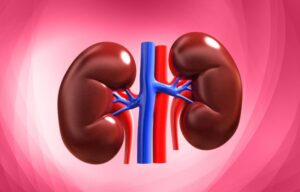
Kidney Health: The Complete Guide to Protecting Your Body’s Vital Filtration System
Introduction: The Silent Workhorses of Your Body
Your kidneys are remarkable, bean-shaped organs that perform over 30 essential functions while quietly filtering your entire blood supply 60 times daily. Despite their critical role in maintaining life, kidney disease often progresses silently until significant damage has occurred. This comprehensive guide explores evidence-based strategies to protect these vital organs, prevent damage, and ensure optimal kidney function throughout your life.
Section 1: Understanding Your Kidneys – More Than Just Filters
The Multifunctional Marvel: What Kidneys Actually Do
1. Filtration and Waste Removal:
Process 120-150 quarts of blood daily
Produce 1-2 quarts of urine to remove waste
Eliminate toxins, drugs, and metabolic byproducts
2. Fluid and Electrolyte Balance:
Precisely regulate sodium, potassium, calcium, phosphorus, magnesium
Maintain blood volume and pressure through water balance
Critical for nerve and muscle function
3. Endocrine Functions:
Erythropoietin production: Stimulates red blood cell creation
Renin secretion: Regulates blood pressure
Vitamin D activation: Crucial for bone health and calcium absorption
4. Acid-Base Balance:
Maintain blood pH between 7.35-7.45
Excrete hydrogen ions, reabsorb bicarbonate
Prevent dangerous acidosis or alkalosis
The Silent Progression of Kidney Disease
Why Early Detection is Challenging:
Kidneys have enormous functional reserve (can lose 50% function before symptoms)
Early symptoms are vague or non-existent
Blood tests may appear normal until significant damage occurs
Stages of Chronic Kidney Disease (CKD):
Stage 1: Normal function (GFR >90) with kidney damage markers
Stage 2: Mild reduction (GFR 60-89) with kidney damage
Stage 3: Moderate reduction (GFR 30-59)
Stage 4: Severe reduction (GFR 15-29)
Stage 5: Kidney failure (GFR <15) - dialysis or transplant needed
GFR (Glomerular Filtration Rate): The gold standard measurement of kidney function
Section 2: The Kidney Health Foundation – Daily Protective Practices
Hydration: The Goldilocks Principle
Not Too Little, Not Too Much:
Adequate hydration: Helps kidneys clear sodium, urea, and toxins
Overhydration: Can strain kidneys, dilute electrolytes
Underhydration: Increases kidney stone risk, concentrates toxins
Evidence-Based Guidelines:
General recommendation: 2-3 liters daily for healthy adults
Individualized approach: Based on climate, activity, health status
Best indicators: Pale yellow urine, rarely thirsty
What to Drink:
Optimal: Water (plain, filtered if concerned about contaminants)
Limited quantities: Herbal teas (some may interact with medications)
Caution with: Soda (phosphoric acid), energy drinks, excessive coffee
Avoid: Sugar-sweetened beverages (link to obesity and diabetes)
The Kidney-Healthy Plate: Nutritional Protection
Macronutrient Balance for Kidney Health
Protein: The Double-Edged Sword:
Necessary: For tissue repair, enzyme production
Excess: Increases glomerular pressure, urea production
Optimal intake: 0.8-1.0g/kg body weight (healthy adults)
Quality matters: Plant proteins may be less stressful than animal proteins
Special populations: Reduced protein for existing CKD (under medical supervision)
Smart Carbohydrate Choices:
Focus on: Whole grains, vegetables, legumes (fiber-rich)
Limit: Refined grains, added sugars
Why: Helps maintain healthy weight, prevents diabetes
Fiber bonus: Binds toxins, reduces inflammation
Healthy Fats:
Emphasize: Omega-3s (anti-inflammatory), monounsaturated fats
Sources: Olive oil, avocado, nuts, fatty fish
Avoid: Trans fats, excessive saturated fats
Benefit: Reduce inflammation, support blood vessel health
Micronutrients and Minerals: The Delicate Balance
Sodium: The Primary Culprit
Mechanism: Increases blood pressure, glomerular damage
Target: <2,300mg daily (<1,500mg if hypertension or CKD)
Hidden sources: Processed foods, restaurant meals, condiments
Strategy: Cook at home, use herbs/spices, read labels
Potassium: Context Matters
Normal function: Essential for nerve/muscle function
CKD concern: Impaired excretion leads to dangerous accumulation
Healthy kidneys: 3,500-4,700mg daily from foods (not supplements)
Rich sources: Bananas, potatoes, spinach, avocados, beans
Phosphorus: The Silent Threat
Normal role: Bone health, energy metabolism
Problem: Many processed foods contain added phosphates
Absorption: Additives are nearly 100% absorbed vs. 40-60% from natural sources
Watch for: Ingredients with “phos” (e.g., phosphoric acid, calcium phosphate)
Calcium: Right Amount, Right Source
Need: 1,000-1,200mg daily (preferably from food)
Problem: High-dose supplements may increase kidney stone risk
Better: Food sources + vitamin D for absorption
Balance with phosphorus: Maintain 1:1 ratio
The Kidney-Protective Eating Pattern
Mediterranean-DASH Hybrid:
Vegetables: 4-5 servings daily (varied colors)
Fruits: 3-4 servings daily (watch portion if diabetes)
Whole grains: 3+ servings daily
Lean proteins: Fish 2x weekly, poultry, legumes, limited red meat
Healthy fats: Olive oil, nuts, seeds daily
Dairy: Moderate low-fat options
Limited: Processed foods, added sugars, excess salt
Sample Daily Menu:
Breakfast: Oatmeal with berries, walnuts, cinnamon
Lunch: Large salad with grilled chicken, olive oil dressing
Snack: Apple with almond butter
Dinner: Baked salmon, quinoa, roasted vegetables
Hydration: Water throughout day, herbal tea evening
Blood Pressure Management: The Kidney’s Best Friend
The Pressure-Damage Relationship:
Each heartbeat sends 20-25% of blood to kidneys
High pressure damages delicate glomerular capillaries
Target: <120/80 mmHg (lower for proteinuria)
Every 10 mmHg reduction decreases kidney disease progression by 30%
Natural BP Control Strategies:
DASH diet adherence: Proven to lower BP 8-14 mmHg
Regular aerobic exercise: 30 minutes most days
Sodium restriction: <2,300mg daily
Potassium-rich foods: Counteracts sodium effects
Stress management: Cortisol increases BP
Alcohol moderation: ≤1 drink daily (women), ≤2 (men)
Smoking cessation: Nicotine constricts blood vessels
Monitoring:
Home blood pressure monitoring recommended
Regular check-ups (annually if normal, more if elevated)
White coat hypertension: 20% have elevated readings only at doctor’s office
Blood Sugar Control: Preventing Diabetic Kidney Disease
The Diabetes-Kidney Connection:
Diabetes causes 44% of new kidney failure cases
High glucose damages blood vessels throughout body, including kidneys
Mechanism: Glycation end-products, oxidative stress, inflammation
Prevention Strategies for Diabetics:
HbA1c target: <7.0% (individualized with doctor)
Regular monitoring: Urine albumin-to-creatinine ratio annually
Medications: SGLT2 inhibitors, GLP-1 agonists protect kidneys
Blood pressure control: Often need lower targets (<130/80)
Cholesterol management: Statins may provide kidney protection
Pre-diabetes Action:
Reality: 30% with pre-diabetes develop kidney damage
Intervention: Lifestyle changes can prevent progression
Key: Weight loss (7% body weight), 150 minutes exercise weekly
Section 3: Lifestyle Factors with Kidney Impact
Exercise: Protective in Moderation
Benefits for Kidney Health:
Improves insulin sensitivity
Lowers blood pressure
Reduces inflammation
Maintains healthy weight
Optimal Exercise Pattern:
Aerobic: 150 minutes moderate or 75 minutes vigorous weekly
Strength training: 2x weekly (preserves muscle, supports metabolism)
Caution: Avoid extreme endurance events without proper hydration
Rhabdomyolysis risk: Extreme exertion can damage muscle, overwhelm kidneys
Sleep: The Underrated Kidney Protector
The Sleep-Kidney Connection:
Sleep apnea: Associated with faster CKD progression
Mechanism: Intermittent hypoxia, blood pressure surges
Short sleep: <6 hours increases CKD risk 30%
Circadian rhythm: Kidneys follow daily cycles in function
Sleep Hygiene for Kidney Health:
Duration: 7-9 hours nightly
Consistency: Regular sleep-wake schedule
Treatment: Sleep apnea evaluation if snoring, daytime fatigue
Timing: Avoid large meals, alcohol, caffeine before bed
Stress Management: Cortisol Control
The Stress-Kidney Pathway:
Chronic stress → cortisol elevation → increased blood pressure
Stress eating → poor food choices → weight gain, diabetes risk
Stress reduction → better adherence to healthy behaviors
Effective Stress Reduction Techniques:
Mindfulness meditation: 10 minutes daily reduces cortisol 20-30%
Physical activity: Natural stress reliever
Social connection: Support buffers stress effects
Nature exposure: “Forest bathing” reduces stress markers
Tobacco and Substance Avoidance
Smoking: Direct Kidney Toxin
Nicotine: Constricts renal arteries, reduces blood flow
Cadmium: Heavy metal in cigarettes accumulates in kidneys
Accelerates: Diabetes and hypertension kidney damage
Benefits of quitting: Begin within weeks, continue for years
Recreational Drugs and Kidney Damage:
Cocaine/methamphetamines: Extreme hypertension, direct toxicity
Heroin: Can cause nephrotic syndrome
Anabolic steroids: Increase kidney size but impair function
Even marijuana: Can affect blood pressure regulation
Section 4: Medication and Supplement Safety
Over-the-Counter Dangers
NSAIDs (Non-Steroidal Anti-Inflammatories):
Examples: Ibuprofen, naproxen, aspirin (high-dose)
Mechanism: Reduce prostaglandins that maintain renal blood flow
Risk factors: Dehydration, existing CKD, elderly, combined with other nephrotoxins
Safer alternatives: Acetaminophen (within dose limits), topical treatments
Maximum safety: Occasional use, with food, adequate hydration
Proton Pump Inhibitors (PPIs):
Examples: Omeprazole, esomeprazole, pantoprazole
Risk: Long-term use associated with CKD, acute interstitial nephritis
Recommendation: Shortest duration needed, regular review with doctor
Alternatives: H2 blockers (ranitidine, famotidine), lifestyle changes
Laxative Abuse:
Risk: Electrolyte disturbances, dehydration
Particular concern: Stimulant laxatives, “detox” teas
Healthy alternative: Fiber, hydration, exercise
Prescription Medication Management
Essential Principles:
Know your medications: Keep updated list, including OTC and supplements
Regular review: Annual medication reconciliation with doctor/pharmacist
Dose adjustment: Many medications require reduced dose with CKD
Contrast dye precautions: Inform providers of kidney issues before scans
Common Nephrotoxic Medications:
Antibiotics: Aminoglycosides, vancomycin (monitored levels)
Antivirals: Acyclovir (hydration crucial)
Chemotherapy agents: Cisplatin, methotrexate
Immunosuppressants: Cyclosporine, tacrolimus
Supplements: Natural Doesn’t Mean Safe
High-Risk Supplements for Kidneys:
Creatine: Generally safe with hydration, caution with pre-existing conditions
High-dose vitamin C: >1,000mg daily increases oxalate kidney stone risk
Chinese herbs: Aristolochic acid causes “Chinese herb nephropathy”
Kava: Linked to kidney toxicity
Ephedra: Banned but still appears in some supplements
Protein powders: Excessive intake increases kidney workload
Supplement Safety Guidelines:
Disclosure: Inform all healthcare providers of all supplements
Research: Choose USP-verified or NSF-certified products
Dose: More is not better—stick to RDA unless medically indicated
Monitoring: Regular kidney function tests if taking long-term supplements
Section 5: Prevention and Early Detection
Know Your Risk Factors
Major Risk Factors for Kidney Disease:
Diabetes: Type 1 or 2
Hypertension: Even mild untreated
Family history: Kidney disease, diabetes, hypertension
Age: >60 years
Race/ethnicity: African, Hispanic, Asian, Indigenous populations
Cardiovascular disease
Obesity: BMI >30
Autoimmune diseases: Lupus, rheumatoid arthritis
History of acute kidney injury
Structural abnormalities: Polycystic kidney disease, congenital issues
Screening and Monitoring
Essential Tests:
Blood Pressure: At least annually
Urinalysis: Check for protein, blood, infection
Serum Creatinine: Blood test to calculate eGFR
Albumin-to-Creatinine Ratio (ACR): Sensitive early damage marker
Screening Frequency:
Average risk: Every 3-5 years after age 40
High risk: Annually (or more frequently if abnormal)
Diabetes: Annual comprehensive screening
Home Monitoring Options:
Blood pressure cuffs: Validated automatic devices
Urine test strips: Can detect protein (follow up with lab)
Weight scale: Sudden changes may indicate fluid retention
Recognizing Early Warning Signs
Subtle Symptoms Often Missed:
Fatigue: Anemia from reduced erythropoietin
Sleep problems: Mineral imbalances, toxin accumulation
Dry, itchy skin: Mineral and bone disorders
Muscle cramps: Electrolyte imbalances
Swelling: Ankles, feet, hands, face (protein loss or sodium retention)
Foamy urine: Protein leakage
More frequent urination: Especially nighttime
Metallic taste: Uremia (waste buildup)
When to Seek Immediate Care:
Severe edema: Sudden swelling of legs or face
Dramatically reduced urine output
Unexplained shortness of breath: Fluid in lungs
Confusion, seizures: Electrolyte emergencies
Chest pain: Pericarditis from uremia
Nausea/vomiting preventing fluid intake
Section 6: Special Considerations Through Life Stages
Childhood and Adolescence
Unique Concerns:
Congenital abnormalities: Often detected early
UTIs in children: Can lead to kidney scarring if recurrent
Obesity epidemic: Early hypertension, diabetes risk
Sports: Hydration education, avoiding supplements
Prevention Focus:
Healthy habits early: Balanced diet, regular activity
Vaccinations: Prevent infections that could affect kidneys
UTI vigilance: Prompt treatment, evaluation for underlying issues
Avoid nephrotoxins: Especially in fever/illness (careful NSAID use)
Pregnancy and Kidney Health
Normal Pregnancy Changes:
Increased blood flow: Kidneys work harder
Physiological dilation: Urinary tract expands (increased infection risk)
Proteinuria: Small amount normal, large amounts concerning
Pregnancy Complications with Kidney Impact:
Preeclampsia: Hypertension + proteinuria, damages kidneys
Gestational diabetes: Future CKD risk
Acute kidney injury: Rare but serious
Pre-pregnancy Planning with Kidney Disease:
Consultation needed: Nephrologist and high-risk OB
Stable function: Ideally >1 year before conception
Medication review: Many kidney medications unsafe in pregnancy
Aging and Kidney Function
Normal Age-Related Changes:
GFR decline: ~1% annually after age 40
Reduced reserve: Less ability to handle stress/injury
Medication sensitivity: Altered metabolism, excretion
Optimizing Kidney Health in Older Adults:
Regular monitoring: At least annually
Medication review: Polypharmacy management
Fall prevention: Protects from trauma, rhabdomyolysis
Hydration awareness: Thirst mechanism less sensitive
Section 7: Environmental and Occupational Considerations
Toxin Avoidance
Heavy Metals:
Lead: Old pipes, paint, contaminated soil
Cadmium: Cigarettes, some foods (rice from contaminated areas)
Mercury: Certain fish, dental amalgams (controversial)
Protection: Water filtration, varied diet, smoking cessation
Solvents and Chemicals:
Glycol ethers: Paints, cleaning products
Hydrocarbons: Fuels, solvents
Occupational exposure: Agriculture, manufacturing, dry cleaning
Protection: Proper ventilation, protective equipment, follow safety protocols
Heat and Dehydration Prevention
High-Risk Situations:
Outdoor work: Construction, agriculture
Exercise: Endurance sports, hot environments
Illness: Fever, vomiting, diarrhea
Prevention Strategy:
Adequate hydration: Before, during, after exposure
Electrolyte replacement: When sweating heavily
Acclimatization: Gradual exposure to heat
Rest breaks: In shade/cool areas
Section 8: When Kidneys Are Already Compromised
Early Stage CKD Management
Key Interventions:
Blood pressure control: Often <130/80 with medication if needed
Glycemic control: Tight diabetes management
Protein moderation: 0.6-0.8g/kg (under supervision)
Sodium restriction: <2,000mg daily
Potassium/phosphate monitoring: Based on lab values
Anemia management: Iron, erythropoietin if needed
Bone health: Vitamin D, calcium balance
Slowing Progression:
ACE inhibitors/ARBs: First-line for proteinuria even with normal BP
SGLT2 inhibitors: Proven kidney protective in diabetes
GLP-1 agonists: Additional protection
Statin therapy: For cardiovascular protection
Advanced Planning
Preparation for Potential Kidney Failure:
Education: Understand treatment options (dialysis types, transplant)
Vascular access planning: For hemodialysis if needed
Transplant evaluation: Early referral if approaching Stage 4
Advanced directives: Clearly document treatment preferences
Support Systems:
Nephrologist: Kidney specialist
Renal dietitian: Specialized nutrition guidance
Social work: Resources, emotional support
Support groups: Connect with others facing similar challenges
Conclusion: A Lifetime of Kidney Stewardship
Kidney health is not a destination but a continuous journey of conscious choices and preventive care. These remarkable organs serve you tirelessly from before birth through your entire life, asking little in return except mindful treatment.
The path to lifelong kidney health is paved with consistency rather than perfection—regular hydration, balanced nutrition, blood pressure management, and avoidance of unnecessary toxins. Perhaps most importantly, it requires partnership with healthcare providers through regular screening, especially if you have risk factors.
Remember that kidney protection is cumulative: each glass of water, each blood pressure reading, each healthy meal, and each medication review contributes to preserving these vital organs. The silent nature of kidney disease makes vigilance essential—what you don’t feel can still harm you.
Your kidneys filter approximately 1.7 million liters of blood in a lifetime, removing waste, balancing fluids, and performing countless unseen tasks that sustain life. In return, they deserve your attention, respect, and proactive care. Start today with one kidney-healthy change, and build upon it—your future self will thank you for the filtration system that continues to serve you well through all of life’s stages.
Final Prescription for Kidney Health:
Hydrate wisely with clean water
Nourish thoughtfully with whole foods, limited salt
Move regularly to maintain healthy circulation
Monitor consistently through regular check-ups
Protect proactively from toxins and unnecessary medications
Manage conditions like hypertension and diabetes aggressively
Listen attentively to subtle signs your body provides
Your kidneys work tirelessly for you—return the favor with the daily care that ensures they can continue their silent, life-sustaining work for decades to come.