Antioxidant-Rich Foods and Fruits: A Comprehensive Guide to Nature’s Defense System
Introduction: The Cellular Shield
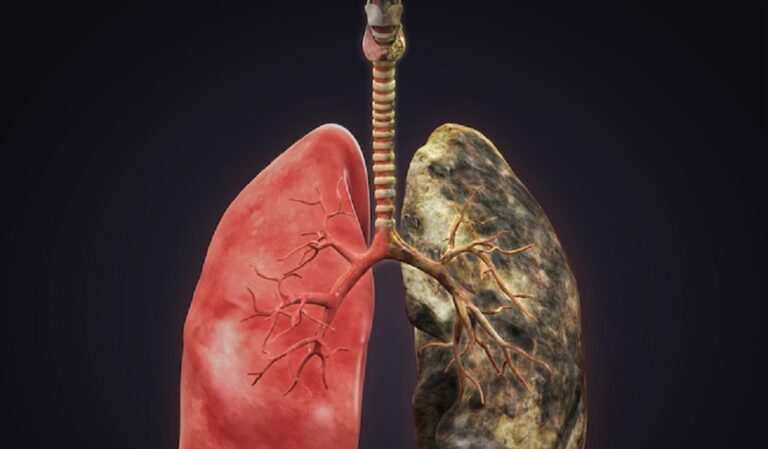
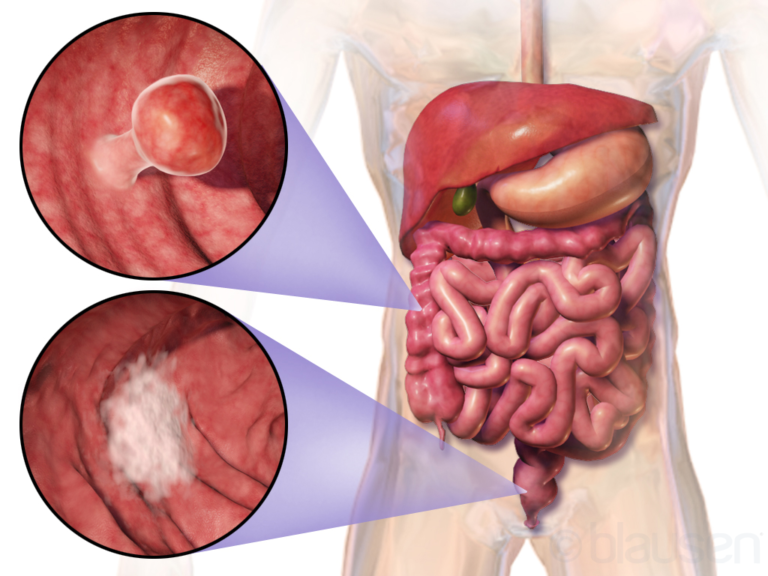
In the dynamic environment of the human body, a silent war rages at the molecular level. On one side are free radicals—highly reactive, unstable molecules generated through normal metabolism, exercise, and exposure to environmental stressors like pollution, UV radiation, and cigarette smoke. On the other side are antioxidants, nature’s sophisticated defense force. These compounds donate electrons to neutralize free radicals, preventing them from causing oxidative stress—a state of cellular damage linked to chronic inflammation, accelerated aging, and numerous diseases, including cancer, cardiovascular disease, and neurodegenerative disorders. While the body produces its own antioxidants (e.g., glutathione), it critically depends on dietary sources to maintain balance. This guide explores the science of antioxidants, details the most potent food sources, and provides evidence-based strategies for incorporating them into your diet to harness their protective power.
Part 1: The Science of Antioxidants – More Than a Buzzword
Understanding Oxidative Stress:
Imagine an apple slice turning brown. That’s oxidation. In the body, a similar process can damage cellular proteins, lipids, and even DNA. Free radicals (like reactive oxygen species – ROS) are necessary in small amounts for cell signaling and immune function, but an excess overwhelms the body’s repair systems.
Classes of Dietary Antioxidants:
Antioxidants are not a single substance but a diverse family of compounds with different roles and benefits.
Vitamins:
Vitamin C (Ascorbic Acid): A potent water-soluble antioxidant crucial for regenerating other antioxidants (like Vitamin E) and supporting immune function.
Vitamin E (Tocopherols & Tocotrienols): A fat-soluble antioxidant that protects cell membranes from lipid peroxidation.
Polyphenols (The Largest & Most Diverse Class):
Flavonoids: Include anthocyanins (berries), flavonols (onions, tea), flavanones (citrus), and flavan-3-ols (cocoa, tea).
Phenolic Acids: Such as ellagic acid (berries, pomegranates) and chlorogenic acid (coffee).
Stilbenes: Most notably resveratrol (grapes, red wine).
Lignans: Found in flaxseeds and sesame seeds.
Carotenoids:
Fat-soluble pigments that give plants red, orange, and yellow hues. Includes beta-carotene (converted to Vitamin A), lycopene, lutein, and zeaxanthin.
Trace Minerals (Cofactors for Antioxidant Enzymes):
Selenium: Essential for the enzyme glutathione peroxidase.
Zinc, Copper, Manganese: Co-factors for superoxide dismutase (SOD).
Other Potent Compounds:
Glutathione: The “master antioxidant,” synthesized by the body but supported by precursors like sulfur-rich foods.
Coenzyme Q10: Vital for mitochondrial energy production and antioxidant defense.
Part 2: The Antioxidant Powerhouses – A Detailed Food Guide
The power of an antioxidant-rich food is measured by its ORAC (Oxygen Radical Absorbance Capacity) value, though a holistic view of nutrient density is more practical. Here are the top-tier sources, categorized.
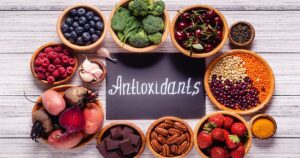
Category 1: Vibrantly Colored Berries (Flavonoid & Vitamin C Kings)
Wild Blueberries: Exceptionally high in anthocyanins. Studies link them to improved brain function and reduced DNA damage.
Blackberries & Raspberries: Rich in ellagic acid and fiber. Black raspberries are being studied for their chemopreventive properties.
Strawberries: Excellent source of vitamin C and manganese.
Goji Berries & Acai Berries: Dense in unique antioxidants. Acai is high in anthocyanins; goji berries are rich in zeaxanthin.
Category 2: Deeply Pigmented Fruits & Vegetables
Pomegranate: Contains punicalagins, antioxidants with potent anti-inflammatory effects, studied for heart and prostate health.
Purple/Red Grapes: Skin is rich in resveratrol and anthocyanins.
Cherries (especially Tart/Montmorency): High in anthocyanins and melatonin, supporting sleep and recovery.
Beets: Contain betalains, which support liver detoxification and may enhance exercise performance by improving blood flow.
Red Cabbage: A cruciferous vegetable packed with anthocyanins and vitamin C.
Sweet Potatoes & Carrots: Loaded with beta-carotene, vital for eye and skin health.
Category 3: The Allium & Cruciferous Families
Garlic, Onions, Leeks: Rich in organosulfur compounds (allicin) and flavonols like quercetin. Support cardiovascular health and immune function.
Broccoli, Kale, Brussels Sprouts: Contain sulforaphane (activated when chopped/chewed), a powerful compound that boosts the body’s own phase II detoxification enzymes.
Category 4: Nuts, Seeds & Oils
Walnuts: Highest antioxidant content among nuts, rich in polyphenols and alpha-linolenic acid (ALA, an omega-3).
Pecans & Almonds: High in vitamin E and flavonoids.
Flaxseeds & Chia Seeds: Top sources of lignans. Also provide ALA.
Extra Virgin Olive Oil: A cornerstone of the Mediterranean diet. Rich in oleocanthal (with ibuprofen-like anti-inflammatory properties) and vitamin E.
Category 5: Beverages & Legumes
Green Tea & Matcha: Exceptionally high in epigallocatechin gallate (EGCG), a catechin linked to reduced risk of several cancers and improved brain health.
Coffee: A major dietary source of antioxidants (hydrocinnamic acids). Linked to reduced risk of type 2 diabetes and Parkinson’s.
Dark Cocoa/Cacao (≥70%): One of the richest sources of flavanols, supporting endothelial function and blood pressure.
Kidney Beans, Black Beans, Lentils: Packed with polyphenols and fiber, supporting gut and heart health.
Category 6: Herbs & Spices (Concentrated Power)
Cloves, Cinnamon, Oregano, Turmeric: Dried spices have the highest ORAC values per gram. Turmeric’s curcumin is a potent anti-inflammatory, but must be paired with black pepper (piperine) for absorption.
Part 3: Maximizing Antioxidant Intake & Bioavailability – Practical Strategy
Antioxidants work best in synergy. Isolated supplements often fail to deliver the benefits of whole foods and can even be harmful in high doses.
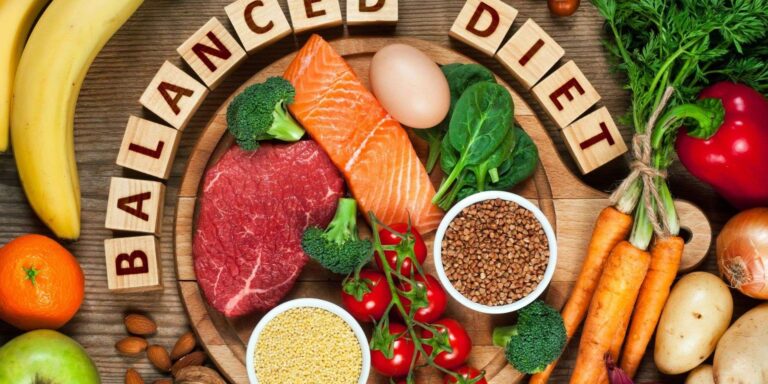
Eat the Rainbow: Consume a wide variety of deeply and brightly colored fruits and vegetables daily. Different colors represent different antioxidant families.
Prioritize Whole Foods Over Juices/Smoothies: Whole fruits and vegetables retain their fiber, which slows sugar absorption and supports the gut microbiome. If juicing, prioritize vegetable-based juices.
Smart Preparation:
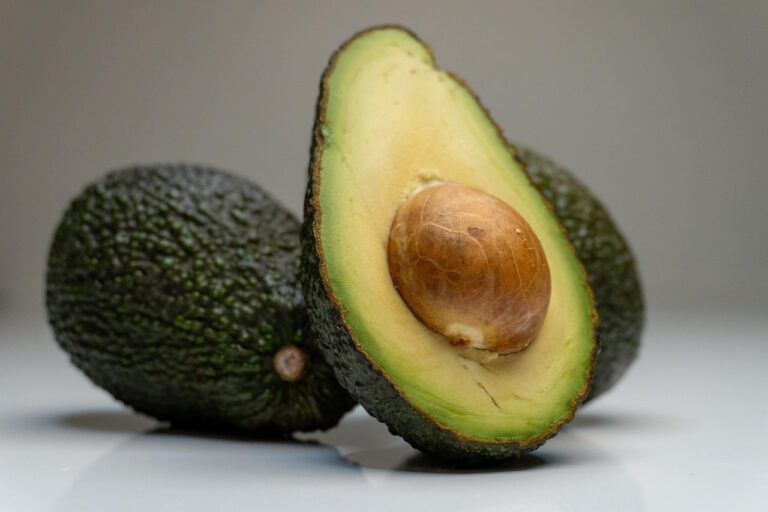
Fat-Soluble Antioxidants (Vitamins A, E, carotenoids): Consume with a healthy fat (e.g., olive oil on kale, avocado in a salad) to enhance absorption.
Heat-Sensitive (Vitamin C, some polyphenols): Enjoy some fruits/vegetables raw (bell peppers, berries).
Heat-Enhanced (Lycopene, Carotenoids): Cooking tomatoes and carrots breaks down cell walls, making these antioxidants more bioavailable.
Activation (Sulforaphane): Chop cruciferous vegetables and let them sit for 30-40 minutes before cooking to maximize sulforaphane formation.
Focus on Food Synergy: Combine foods for greater effect.
Vitamin C + Plant-Based Iron: Lemon juice on spinach increases iron absorption.
Turmeric + Black Pepper: Piperine increases curcumin absorption by 2000%.
Green Tea + Lemon: Vitamin C may improve the stability of catechins.
Part 4: Cautions and Considerations
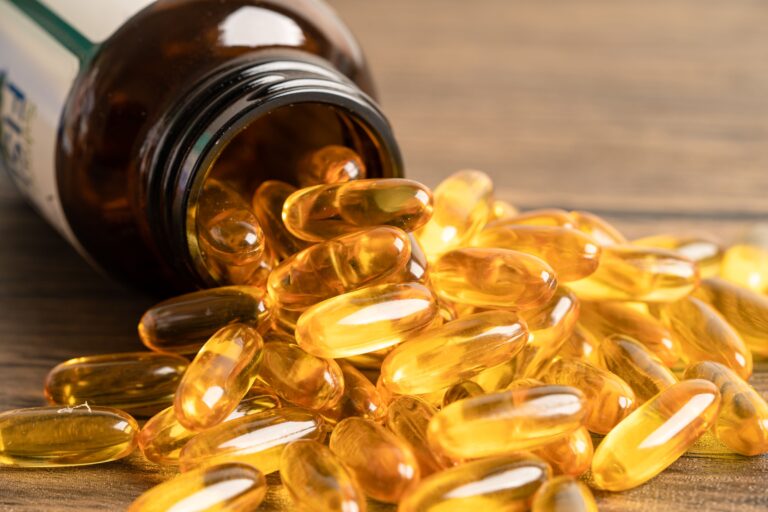
The Supplement Paradox: High-dose antioxidant supplements (like beta-carotene or vitamin E pills) have not shown clear health benefits in large trials and may interfere with certain therapies (e.g., chemotherapy, radiation). Food first is the safest and most effective rule.
Balance is Key: Extremely high intakes from isolated sources can potentially act as pro-oxidants. The body thrives on moderation and variety.
The Gut Connection: Many polyphenols are metabolized by the gut microbiome into more active forms. A healthy gut is essential for reaping their full benefits.
Conclusion: Building Your Daily Defense Plate
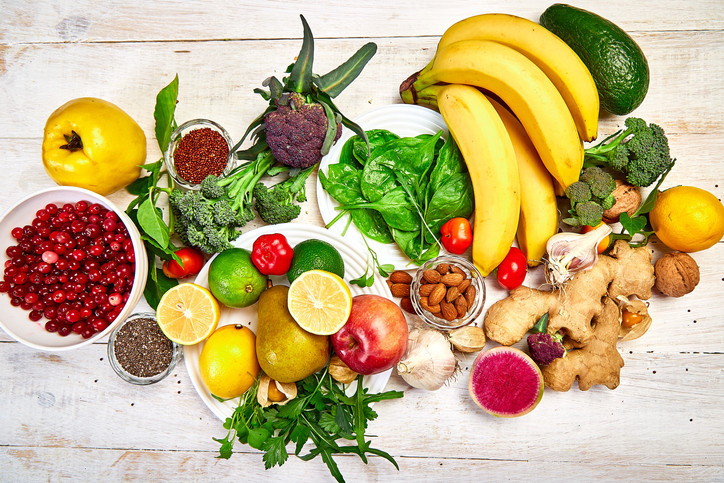
Incorporating antioxidant-rich foods is not about seeking a mythical “superfood” but about building a consistent dietary pattern—a “defense plate.” This pattern is exemplified by diets like the Mediterranean, DASH, and MIND diets, which are inherently rich in fruits, vegetables, nuts, seeds, legumes, and healthy oils.
By making colorful, whole plant foods the centerpiece of your meals, you provide your cells with the complex arsenal of compounds they need to combat oxidative stress, reduce inflammation, and support long-term health. Think of each meal as an opportunity to nourish your body’s innate resilience. The most powerful pharmacy is not on a shelf; it’s in the vibrant produce aisle, the spice rack, and the humble bean bag.
Simple Daily Defense Goals:
Aim for 5-9 servings of varied fruits and vegetables daily.
Include one serving of berries most days.
Use herbs and spices liberally.
Snack on a handful of nuts.
Enjoy a square of dark chocolate or a cup of green tea.
Resources for Further Learning:
The ORAC Database (USDA – though archived, provides a reference)
American Institute for Cancer Research: Recommendations on antioxidant-rich foods for cancer prevention.
Disclaimer: This article is for informational purposes only and is not a substitute for professional medical advice, diagnosis, or treatment. Always seek the advice of your physician or a registered dietitian before making any significant changes to your diet, especially if you have underlying health conditions or are on medication.