The Whole-Food Pharmacy: Your Guide to Nature’s Best Vitamin Sources
Introduction: Why Natural Beats Synthetic
In an era of supplement aisles and vitamin gummies, we risk forgetting that nature perfected vitamin delivery systems millennia before laboratories existed. Whole foods provide vitamins in their optimal forms—surrounded by co-factors, enzymes, and phytochemicals that enhance absorption and function in ways isolated supplements cannot match. This comprehensive guide explores the richest natural sources for each essential vitamin, explaining not just where to find them, but why these whole-food sources are superior.
The Fat-Soluble Vitamins: A, D, E, and K
Vitamin A: The Vision and Immunity Protector
Best Natural Sources:
Sweet Potatoes (King of Beta-Carotene): One medium baked sweet potato provides 1403 mcg RAE (280% DV) of vitamin A as beta-carotene, which your body converts to active vitamin A as needed, preventing toxicity.
Beef Liver (The Powerhouse): A 3-ounce serving contains 6600 mcg RAE (over 700% DV) of preformed vitamin A (retinol). Even consuming this monthly provides substantial reserves.
Carrots: One cup chopped provides 1069 mcg RAE (120% DV), plus fiber for blood sugar regulation.
Spinach and Kale: Dark leafy greens provide both beta-carotene and lutein/zeaxanthin for eye health.
Butternut Squash: One cup cubed provides 1144 mcg RAE (127% DV), especially rich in fall and winter.
Why Natural Beats Supplements: Beta-carotene from foods converts only as needed, unlike high-dose retinol supplements which can accumulate to toxic levels. The fiber in plant sources regulates absorption.
Vitamin D: The Sunshine Vitamin
Best Natural Sources:
Sunlight (The Original Source): 15-30 minutes of midday sun on arms and legs several times weekly can produce 10,000-25,000 IU of vitamin D3 in light-skinned individuals.
Wild-Caught Salmon: A 3.5-ounce serving provides 526 IU (66% DV), along with anti-inflammatory omega-3s.
Mackerel and Sardines: Smaller fatty fish often have fewer contaminants than larger species.
Egg Yolks from Pasture-Raised Hens: Provide 37 IU per yolk, with levels 3-4 times higher in pasture-raised vs. conventional eggs.
UV-Exposed Mushrooms: Maitake, morel, and UV-treated portobello mushrooms can provide 400-700 IU per serving of vitamin D2.
Critical Note: Very few foods contain substantial vitamin D naturally. Sun exposure remains crucial. Those in northern latitudes or with dark skin often need supplemental D3, especially in winter.
Vitamin E: The Antioxidant Shield
Best Natural Sources:
Sunflower Seeds: One ounce provides 7.4 mg (49% DV) of alpha-tocopherol, the most bioactive form.
Almonds: One ounce offers 6.8 mg (45% DV), plus magnesium and healthy fats.
Wheat Germ Oil: One tablespoon contains 20 mg (135% DV)—the richest concentrated source.
Spinach and Swiss Chard: Provide vitamin E alongside other antioxidants that work synergistically.
Avocado: One whole fruit provides 4.2 mg (28% DV), with healthy monounsaturated fats that enhance absorption.
Natural Advantage: Whole foods provide all eight tocopherols and tocotrienols, while most supplements contain only alpha-tocopherol. The gamma form in seeds and nuts may be particularly important for brain health.
Vitamin K: The Clotting and Bone Builder
Best Natural Sources:
Kale (The Champion): One cup raw provides 472 mcg (over 500% DV) of vitamin K1.
Natto (Fermented Soybeans): The richest source of K2 (MK-7), with 850 mcg per ounce—a form that remains active in blood longer.
Collard Greens, Spinach, and Swiss Chard: One cup cooked provides 700-1000% DV.
Hard Cheeses (Gouda, Brie): Provide K2 (MK-4 and MK-9) from bacterial fermentation.
Pasture-Raised Egg Yolks and Liver: Provide K2, especially when animals eat green grass.
The K1 vs. K2 Story: Leafy greens provide K1 (for clotting), while fermented foods and animal products from grass-fed animals provide K2 (directs calcium to bones/teeth, away from arteries). Both are essential.
The Water-Soluble Vitamins: B Complex and C
Vitamin C: The Immune Multi-Tasker
Best Natural Sources:
Kakadu Plum (Australian Native): The world’s richest source—100g provides 2300-3150 mg (over 3000% DV).
Acerola Cherries: One cup provides 1644 mg (1827% DV).
Bell Peppers (Yellow): One cup raw provides 342 mg (380% DV)—more than oranges.
Guavas: One fruit provides 126 mg (140% DV), plus fiber for gut health.
Broccoli and Brussels Sprouts: One cup cooked provides 100-120 mg (110-130% DV), with sulforaphane for detoxification.
Why Natural Excels: Whole foods provide vitamin C with bioflavonoids that enhance its absorption and antioxidant activity. Isolated ascorbic acid supplements lack these co-factors.
The B Vitamin Complex: Energy and Nervous System Support
Vitamin B1 (Thiamine):
Pork (especially loin): 3 ounces provides 0.8 mg (67% DV)
Sunflower seeds and legumes
Nutritional yeast: 1 tablespoon provides 1.8 mg (150% DV)
Vitamin B2 (Riboflavin):
Vitamin B3 (Niacin):
Vitamin B5 (Pantothenic Acid):
Shiitake mushrooms: 1 cup provides 3.6 mg (72% DV)
Sunflower seeds and avocado
Chicken liver: Rich source
Vitamin B6 (Pyridoxine):
Vitamin B7 (Biotin):
Vitamin B9 (Folate):
Lentils: 1 cup cooked provides 358 mcg (90% DV)
Chickpeas and black-eyed peas
Leafy greens (asparagus, spinach)
Vitamin B12 (Cobalamin):
Natural B Vitamin Advantage: Whole foods provide B vitamins in balanced ratios with their necessary co-factors. Isolated high-dose B supplements can create imbalances.
The Whole-Food Advantage: Beyond Isolated Vitamins
Synergistic Nutrient Packages in Nature:
Citrus Fruits: Vitamin C + bioflavonoids + fiber
Spinach: Vitamin K + vitamin A + iron + magnesium
Salmon: Vitamin D + omega-3s + astaxanthin + protein
Almonds: Vitamin E + magnesium + fiber + healthy fats
Lentils: B vitamins + iron + fiber + protein
Enhanced Absorption in Whole Foods:
Fat-soluble vitamins (A, D, E, K) come with natural fats that enhance absorption
Vitamin C in foods is protected from oxidation by accompanying antioxidants
Iron from animal sources (heme iron) is better absorbed than from plants, but plant iron absorption increases when consumed with vitamin C
Specialized Diets and Natural Vitamin Sources
For Vegans and Vegetarians:
Vitamin B12: Fortified nutritional yeast, fortified plant milks, nori seaweed (check labels)
Iron: Lentils, spinach, pumpkin seeds, paired with vitamin C foods
Omega-3s (ALA): Flaxseeds, chia seeds, walnuts (conversion to EPA/DHA is limited)
Calcium: Collard greens, kale, fortified tofu, tahini
For Paleo/Animal-Based Diets:
Organ meats (especially liver): Nature’s multivitamin
Bone broth: Minerals and collagen
Egg yolks and shellfish: Concentrated nutrients
Fermented foods: Natural probiotics
For Budget-Conscious Eaters:
Potatoes with skin: Vitamin C, B6, potassium
Eggs: Complete protein with 13 essential nutrients
Canned sardines: Calcium, vitamin D, omega-3s
Seasonal produce: More nutrient-dense and affordable
Frozen fruits/vegetables: Often more nutritious than out-of-season fresh
The Soil Connection: Why Source Matters
Nutrient density varies dramatically based on:
Soil Health: Regeneratively farmed produce can have significantly higher mineral content
Animal Diet: Grass-fed beef has more omega-3s and vitamin E than grain-fed
Ripeness: Fully vine-ripened produce has higher vitamin content
Freshness and Storage: Nutrients degrade over time and with improper storage
Tips for Maximizing Nutrient Intake:
Buy local and seasonal when possible
Store produce properly (some vitamins degrade with light/heat)
Cook appropriately (some vitamins are enhanced with cooking, others diminished)
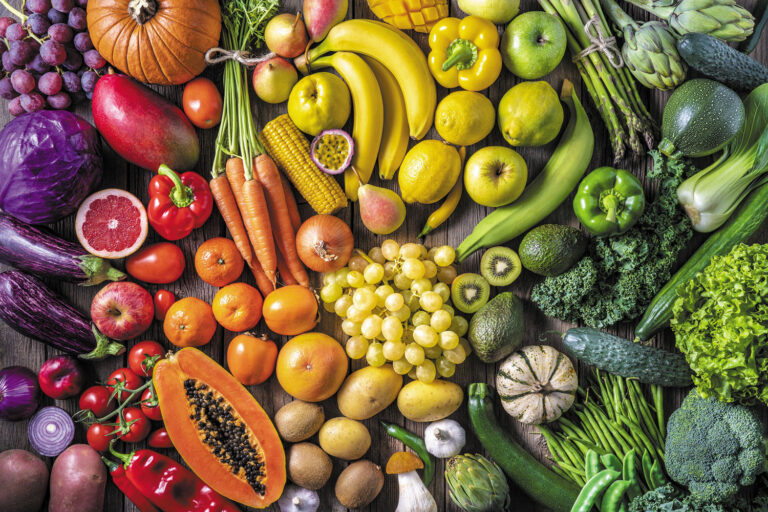
Eat a variety of colors and types
When Supplements May Be Necessary
Despite the superiority of whole foods, certain situations warrant supplementation:
Vitamin D: For those with limited sun exposure
Vitamin B12: For vegans and older adults with reduced absorption
Folate: During pregnancy (as methylfolate)
Iron: For those with diagnosed deficiency (under supervision)
Specific therapeutic needs: Under medical guidance
Practical Daily Guide: The Nutrient-Dense Day
Sample Meal Plan:
Breakfast:
2 pasture-raised eggs (vitamins A, D, E, B12, choline)
Sautéed spinach and mushrooms (vitamins K, B vitamins, selenium)
½ avocado (vitamin E, potassium)
Lunch:
Large kale salad with chickpeas (vitamins K, C, folate, iron)
Bell peppers and carrots (vitamins C, A)
Olive oil dressing (vitamin E, healthy fats)
Snack:
Dinner:
Wild salmon (vitamins D, B12, omega-3s)
Sweet potato (vitamin A, C)
Broccoli (vitamins C, K, folate)
Conclusion: Embracing Nature’s Wisdom
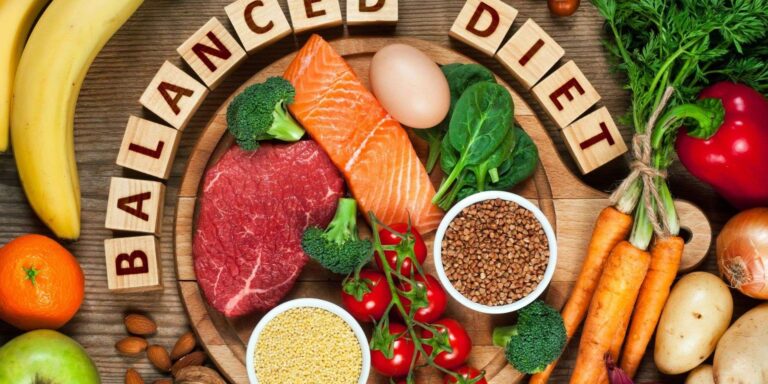
The quest for optimal vitamin intake leads us back to nature’s original designs: colorful plants, nutrient-dense animal foods, and traditional preparation methods. While supplements have their place in addressing specific deficiencies, they cannot replicate the complex symphony of nutrients, co-factors, and phytochemicals found in whole foods.
By prioritizing a diverse diet of minimally processed foods—emphasizing organ meats, leafy greens, colorful vegetables, nuts, seeds, and sustainably sourced animal products—we receive vitamins in their ideal forms, perfectly packaged for optimal human health. This approach honors both our biological needs and the ecological systems that sustain us.
Remember: No single food provides everything, but nature’s variety offers a complete pharmacy when we embrace the abundance. Start by adding one new nutrient-dense food to your routine each week, and let your plate become a rainbow of natural vitality.