Blood transfusion, a life-saving medical procedure, involves transferring blood or blood components from a donor to a recipient. While it offers immense benefits, ensuring blood transfusion safety is paramount to minimize risks and protect patient well-being. This article delves into the critical aspects of blood transfusion safety, encompassing donor selection, blood screening, compatibility testing, and transfusion practices.
The Importance of Blood Transfusion Safety:
Blood transfusions are essential for treating various medical conditions, including:
- Severe blood loss due to trauma or surgery.
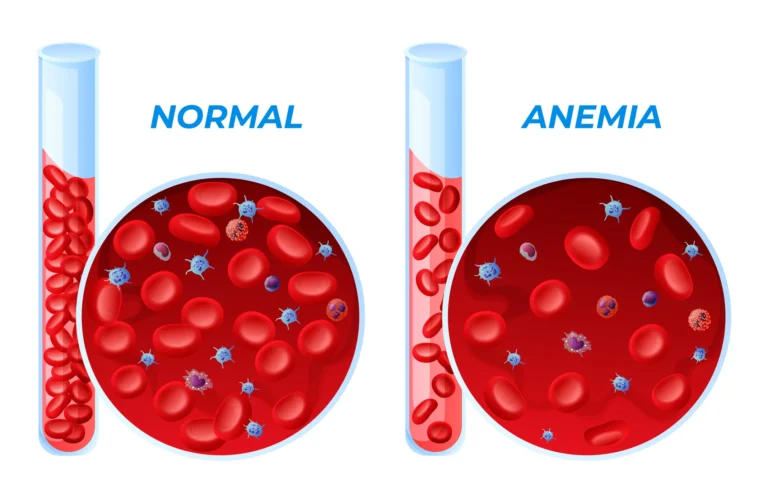
- Anemia caused by chronic diseases or blood disorders.
- Cancer treatment.
- Hemophilia and other bleeding disorders.
- Organ transplantation.
However, transfusing contaminated or incompatible blood can lead to serious complications, including infections, transfusion reactions, and even death. Therefore, stringent safety measures are crucial.
Donor Selection and Screening:
- Donor Eligibility:
- Potential donors undergo a thorough medical history assessment to identify risk factors for transmissible infections.
- Individuals with a history of certain infections (e.g., HIV, hepatitis B and C) or high-risk behaviors are excluded.
- Travel history to areas with endemic infectious diseases is also considered.
- Donor Screening Tests:
- Donated blood is rigorously tested for infectious agents, including:
- HIV (human immunodeficiency virus)
- Hepatitis B virus (HBV)
- Hepatitis C virus (HCV)
- Syphilis
- West Nile virus (in some regions)
- Trypanosoma cruzi(Chagas disease)
- Zika virus (in some regions)
- Nucleic acid testing (NAT) is often used to detect viral genetic material, providing a higher level of sensitivity.
Compatibility Testing (Crossmatching):
- ABO and Rh Typing:
- The recipient’s and donor’s blood types (ABO and Rh) are determined to ensure compatibility.
- Transfusing incompatible blood can lead to a severe and potentially fatal transfusion reaction.
- Crossmatching:
- A crossmatch test involves mixing the recipient’s serum with the donor’s red blood cells to check for any agglutination (clumping), indicating incompatibility.
- This test helps identify antibodies that may not be detected by ABO and Rh typing alone.
- Antibody Screening:
- Tests that detect unexpected antibodies in the recipient’s serum.
Transfusion Practices:
- Patient Identification:
- Accurate patient identification is crucial to prevent transfusion errors.
- Multiple identifiers (e.g., patient name, date of birth, medical record number) are used to verify the recipient’s identity.
- Blood Component Preparation:
- Blood components (e.g., red blood cells, platelets, plasma) are prepared and stored according to strict guidelines.
- Appropriate storage conditions are essential to maintain the quality and safety of blood products.
- Transfusion Administration:
- Transfusions are administered by trained healthcare professionals.
- Vital signs are monitored closely during and after the transfusion to detect any adverse reactions.
- The blood product is inspected before administration.
- Adverse Reaction Monitoring:
- Healthcare professionals are trained to recognize and manage transfusion reactions.
- Common reactions include fever, chills, hives, and respiratory distress.
- Severe reactions, such as acute hemolytic transfusion reactions, require immediate intervention.
- Record Keeping:
- Detailed records of the transfusion process, including patient identification, blood product information, and any adverse reactions, are maintained.
- This documentation is essential for quality control and patient safety.
Reducing Transfusion Risks:
- Autologous Transfusion:
- Collecting and storing the patient’s own blood before a planned surgery reduces the risk of transfusion reactions and infections.
- Blood Conservation Strategies:
- Minimizing blood loss during surgery and using alternative therapies (e.g., cell salvage) can reduce the need for transfusions.
- Pathogen Reduction Technologies:
- Treating blood products with pathogen reduction technologies can inactivate certain viruses and bacteria, further enhancing safety.
- Hemovigilance:
- Systems for monitoring and reporting adverse transfusion reactions. This data helps improve blood transfusion safety.
Challenges and Future Directions:
- Emerging Infectious Diseases:
- The emergence of new infectious diseases poses a challenge to blood transfusion safety.
- Developing rapid and sensitive screening tests is essential.
- Blood Shortages:
- Maintaining an adequate blood supply is crucial, especially during emergencies.
- Encouraging voluntary blood donations and optimizing blood utilization are essential.
- Improving Transfusion Practices:
- Continuing to improve transfusion practices and technologies is essential to minimize risks and enhance patient safety.
- Point of care testing.
Blood transfusion safety is a complex and multifaceted issue that requires a collaborative effort from healthcare professionals, blood banks, and regulatory agencies. By adhering to strict guidelines and implementing advanced technologies, we can ensure that blood transfusions remain a safe and life-saving procedure.