Childhood Obesity: A Comprehensive Guide to Understanding, Preventing, and Addressing a Modern Epidemic
Introduction: More Than a Number on a Scale
Childhood obesity is one of the most pressing public health challenges of the 21st century. It is a complex, multifactorial disease characterized by an excess of body fat that poses a significant risk to a child’s immediate and long-term physical and mental health. Far beyond a simple issue of appearance or willpower, obesity in children results from a powerful interplay of genetics, environment, behavior, and socioeconomic factors. With over 340 million children and adolescents aged 5-19 classified as overweight or obese globally, understanding this condition is critical for parents, caregivers, educators, and policymakers.
This detailed guide examines the causes, profound health consequences, and evidence-based strategies for prevention and holistic management of childhood obesity, moving beyond stigma to science-based solutions.
Part 1: Defining the Problem – Measurements and Classifications
Childhood obesity is clinically defined using growth charts and Body Mass Index (BMI), adjusted for age and sex.
Critical Nuance: BMI is a screening tool, not a diagnostic one. A pediatrician will consider muscle mass, growth patterns, and overall health. However, sustained high BMI percentiles are a strong indicator of excess adiposity (body fat) and associated health risks.
Part 2: The Root Causes: A “Perfect Storm” of Factors
Childhood obesity is rarely due to a single cause. It emerges from a combination of the following:
1. Genetic and Biological Factors:
Heritability: Genetics can account for 40-70% of the variation in BMI. Certain genes influence appetite regulation, fat storage, and metabolism.
Prenatal & Early Life: Maternal obesity, gestational diabetes, high birth weight, and rapid weight gain in infancy are established risk factors.
Hormonal & Medical Conditions: While rare (<5% of cases), conditions like hypothyroidism, Cushing’s syndrome, or genetic syndromes (e.g., Prader-Willi) can contribute. Certain medications (e.g., some antipsychotics) are also linked to weight gain.
2. Behavioral & Environmental Factors (The Core of Modifiable Risk):
Dietary Patterns:
High Energy Density: Regular consumption of ultra-processed foods, fast food, sugary snacks, and sugar-sweetened beverages (sodas, juices, sports drinks). These are high in calories but low in nutrients and satiety.
Portion Distortion: Increased portion sizes at home and in restaurants.
Low Nutrient Intake: Inadequate consumption of fruits, vegetables, whole grains, and lean proteins.
Physical Inactivity:
Screen Time Dominance: Excessive time spent on television, video games, computers, and smartphones displaces active play.
Decline in Active Commuting & Play: Less walking/biking to school and less unstructured outdoor play due to safety concerns or lack of access.
Sedentary Lifestyle: The modern child’s day is often structured around sitting—in school, homework, and entertainment.
Sleep Deficiency: Inadequate sleep disrupts hormones that regulate hunger (ghrelin) and satiety (leptin), leading to increased appetite and cravings for high-calorie foods.
The “Obesogenic” Environment: Our surroundings are engineered to promote weight gain: ubiquitous fast-food advertising targeted at children, constant availability of cheap processed food, and neighborhoods lacking safe parks or sidewalks.
3. Psychological & Socioeconomic Factors:
Stress & Trauma: Chronic stress can lead to emotional eating as a coping mechanism. Adverse Childhood Experiences (ACEs) are linked to obesity risk.
Food Insecurity: Paradoxically, families struggling with access to consistent, nutritious food are at higher risk. Cycles of scarcity can lead to overconsumption of cheaper, calorie-dense foods when available.
Family Dynamics: Parental modeling of diet and activity, family meal patterns, and parenting styles (e.g., using food as reward/punishment) are powerful influences.
Social Determinants of Health: Poverty, lower parental education, and limited access to healthcare and healthy food (food deserts) create significant barriers.
Part 3: The Profound Health Consequences – A Lifelong Shadow
Childhood obesity is not a benign condition. It has serious implications for nearly every organ system, often tracking into adulthood.
Immediate Health Risks:
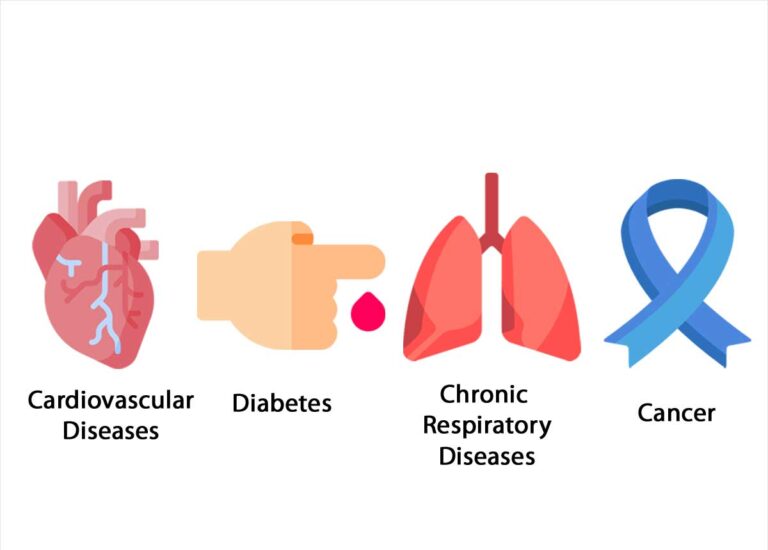
Cardiovascular: High blood pressure, high LDL cholesterol, atherosclerosis (hardening of arteries) beginning in childhood.
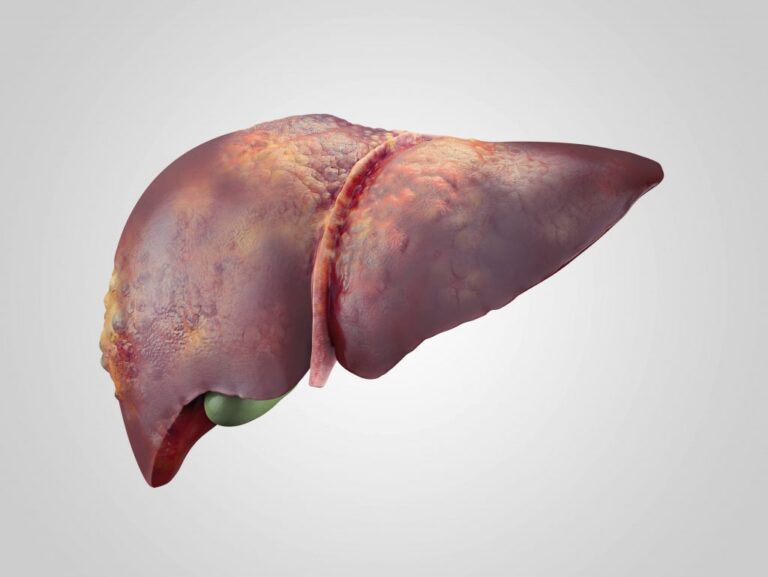
Metabolic: Type 2 Diabetes, once called “adult-onset,” now prevalent in youth. Insulin resistance and fatty liver disease (NAFLD).
Orthopedic: Increased stress on joints, leading to pain, slipped capital femoral epiphysis (SCFE), and flat feet.
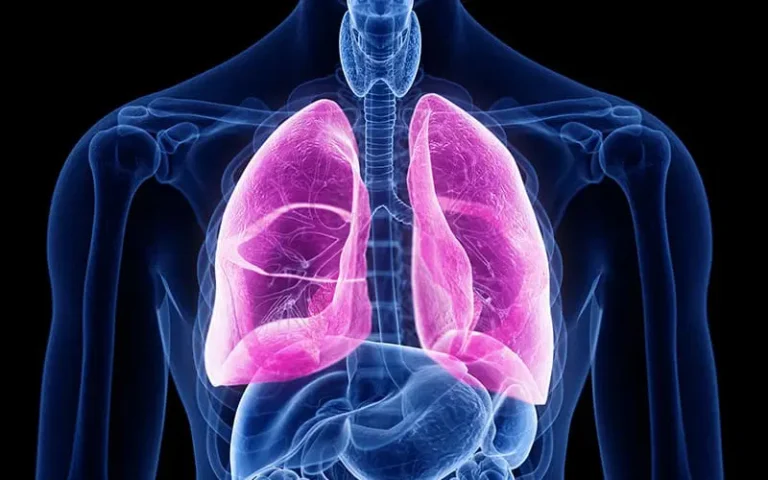
Respiratory: Asthma exacerbations, sleep apnea (pauses in breathing during sleep, leading to fatigue and poor concentration).
Psychological & Social: Stigma, bullying, and low self-esteem are devastatingly common. Higher rates of depression, anxiety, social isolation, and poor academic performance.
Long-Term Adult Risks:
Increased likelihood of severe obesity.
Higher risk of heart disease, stroke, certain cancers (breast, colon), and osteoarthritis.
Reduced life expectancy.
Part 4: Prevention and Management: A Family-Centered, Staged Approach
Addressing childhood obesity requires compassion, patience, and systemic change. The goal is healthier habits, not just weight loss. Blame and shame are counterproductive.
Primary Prevention (For All Families):
Promote Responsive Feeding: For infants, recognize hunger and fullness cues. Avoid pressuring children to “clean the plate.”
Build a Healthy Food Environment:
Make healthy choices easy: Keep fruits/veggies washed and accessible. Limit purchase of sugary drinks and snacks.
Have regular family meals without screens.
Involve children in meal planning and preparation.
Prioritize Active Play: Aim for at least 60 minutes of moderate-to-vigorous activity daily. Make it fun—dancing, biking, playground trips.
Enforce Consistent Sleep Routines: Age-appropriate bedtimes are non-negotiable for metabolic health.
Limit Recreational Screen Time: Follow AAP guidelines (<1 hour/day for ages 2-5, consistent limits for older children).
Management & Treatment (When a Child is in the Overweight/Obesity Categories):
The 5-2-1-0 Rule is a simple framework for families:
5: Eat at least 5 servings of fruits/vegetables daily.
2: Limit recreational screen time to 2 hours or less.
1: Get 1 hour or more of physical activity.
0: Consume 0 sugar-sweetened beverages.
A Structured, Family-Based Approach:
Medical Evaluation: A pediatrician should rule out underlying medical causes and assess for comorbidities (e.g., check blood pressure, lipids, liver enzymes, HbA1c).
Focus on Health Goals, Not Weight: Set small, achievable goals like “add one vegetable at dinner,” “walk the dog as a family after dinner,” or “replace soda with seltzer.”
The Whole Family Participates: The child should never feel singled out. Changes in food purchasing and activity must involve everyone.
Address the Home Food Environment: Structure meals and snacks to prevent all-day grazing. Use the “division of responsibility”: Parents decide what, when, and where food is offered; the child decides whether and how much to eat.
Behavioral Support: A registered dietitian nutritionist (RDN) and/or a behavioral therapist can provide crucial skills for mindful eating, coping without food, and navigating challenges.
Advanced Interventions: For severe obesity or significant comorbidities, options include:
Intensive Lifestyle Programs: Structured, multi-disciplinary programs.
Pharmacotherapy: FDA-approved medications (e.g., liraglutide) for adolescents 12+ with obesity as an adjunct to lifestyle therapy.
Metabolic & Bariatric Surgery: For adolescents with severe obesity and major comorbidities, it is a safe and effective option when performed in accredited pediatric centers.
Part 5: Shifting the Societal Narrative: From Stigma to Support
Combating childhood obesity requires moving beyond individual blame to systemic, public health action:
Policy: Advocate for better school nutrition standards, sugary drink taxes, and restrictions on junk food marketing to children.
Community Design: Invest in safe parks, recreational facilities, and walkable neighborhoods.
Healthcare: Ensure insurance coverage for obesity prevention and treatment services, including visits with dietitians.
Language Matters: Use person-first language (e.g., “a child with obesity,” not “an obese child”) to separate the condition from the child’s identity and reduce stigma.
Conclusion: Cultivating Health for Every Child
Childhood obesity is a chronic disease shaped by forces far beyond an individual’s control. Success lies not in short-term diets or blame, but in sustained, supportive changes to the family and community environment. By fostering a foundation of nutritious eating, joyful movement, adequate sleep, and emotional well-being—and by advocating for policies that make healthy choices the easy choices—we can support all children in reaching their full health potential. The path forward is one of empathy, education, and collective responsibility.
Resources for Families:
American Academy of Pediatrics (AAP): “The Pediatrician’s Guide to Childhood Obesity”
Academy of Nutrition and Dietetics: Find a Registered Dietitian Nutritionist (RDN) at eatright.org
CDC: Healthy Weight: Information and tools for parents.
YMCA’s Diabetes Prevention Program (for eligible teens/families).
Disclaimer: This article is for informational purposes only and is not a substitute for professional medical advice, diagnosis, or treatment. Always seek the advice of your pediatrician or other qualified health provider with any questions regarding your child’s health.