Cold Sores: A Comprehensive Guide to the HSV-1 Infection and Its Prevention
Introduction: The Persistent Viral Tenant
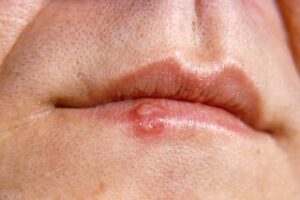
Cold sores, also known as fever blisters, are a common, frustrating, and often embarrassing viral infection caused primarily by the Herpes Simplex Virus Type 1 (HSV-1). It is estimated that over two-thirds of the global population under age 50 carries the virus, though not all experience symptoms. The hallmark of this infection is not the initial outbreak, but its lifelong latency and periodic reactivation. Once acquired, HSV-1 takes up permanent residence in the nerve ganglia near the cheekbone, lying dormant until triggered to travel back to the skin’s surface, causing the characteristic blistering lesions. While medically benign for most, cold sores can cause significant physical discomfort and psychological distress. Effective management, therefore, focuses on a dual strategy: preventing transmission to others and minimizing the frequency and severity of recurrences for the individual. This guide provides a detailed look at the virus’s lifecycle, triggers, and a multi-layered approach to prevention and control.
Part 1: The Biology of HSV-1 – From Infection to Reactivation
Understanding cold sores requires understanding the unique lifecycle of the herpes virus.
1. Primary Infection (Initial Acquisition):
Transmission: Occurs through direct contact with infected saliva or lesions (e.g., kissing, sharing utensils, lip balm, or towels). The virus enters through small breaks in the skin or mucous membranes.
Symptoms: Many primary infections are asymptomatic, especially in childhood. When symptomatic, it can cause significant illness: fever, sore throat, swollen lymph nodes, and painful, widespread mouth ulcers (gingivostomatitis). This primary episode is the most contagious.
2. Latency (The Dormant Phase):
After the primary infection, the virus retreats along the nerve pathways to the trigeminal nerve ganglion, a collection of nerve cell bodies near the ear, where it enters a dormant, inactive state. The immune system controls it but cannot eliminate it.
3. Reactivation (Recurrence – The Cold Sore):
Periodically, the virus reactivates, traveling back down the nerve to the skin surface, typically at or near the original site of infection. This causes the classic cold sore outbreak.
The Stages of a Cold Sore Outbreak (5-14 Day Cycle):
Prodrome (24-48 hours): Tingling, itching, burning, or numbness at the site. This is the critical window for early treatment.
Vesicle Formation (Day 1-2): Small, painful, fluid-filled blisters appear, often clustered.
Ulceration/Weeping (Day 3-4): Blisters rupture, leaving shallow, red, painful open sores that may weep clear fluid. This is the most contagious stage.
Crusting (Day 5-8): A yellowish or brownish crust/scab forms over the sore.
Healing (Day 9-14): The scab dries and falls off, often leaving pink skin that may persist for days. Scarring is rare.
Part 2: Common Triggers for Reactivation
Identifying and managing personal triggers is a cornerstone of prevention. Triggers vary by individual but often include:
Immunosuppression/Illness: Common cold, flu, or other infections that stress the immune system (“fever blister”).
Stress: Both emotional and physical stress can weaken immune surveillance.
Fatigue and Lack of Sleep.
Sun Exposure (Ultraviolet Radiation): A major trigger for many. UV light can directly stimulate viral reactivation in nerve cells.
Hormonal Changes: Such as those during menstruation or pregnancy.
Local Skin Trauma: Dental work, cosmetic procedures (like lip injections), chapped lips, or injury to the area.
Extreme Weather: Wind and cold.
Certain Foods: For some, arginine-rich foods (chocolate, nuts, seeds) may theoretically promote replication, though evidence is anecdotal.
Part 3: Prevention Strategy 1: Preventing Transmission to Others
HSV-1 is most contagious when active lesions are present, but viral shedding can occur even when no sores are visible (asymptomatic shedding).
During an Active Outbreak (Non-Negotiable Rules):
NO KISSING. Avoid any oral contact, including on the cheeks or near the mouth.
NO SHARING. This includes utensils, cups, straws, lip balm, lipstick, towels, razors, or toothbrushes.
Practice Meticulous Hand Hygiene. Wash hands immediately after touching the sore (e.g., applying cream).
Be Extra Cautious with Infants and Immunocompromised Individuals. HSV-1 can cause severe, disseminated infections in newborns.
Avoid Oral Sex. HSV-1 can be transmitted to a partner’s genitals, causing genital herpes.
General Habits to Reduce Risk of Spreading (Including During Asymptomatic Periods):
Do not share personal items that touch the mouth.
If you have frequent outbreaks, discuss daily suppressive antiviral therapy with your doctor, which can reduce asymptomatic shedding by up to 90%.
Part 4: Prevention Strategy 2: Minimizing Your Own Recurrences
This involves a combination of lifestyle management, barrier protection, and medical intervention.
A. Lifestyle & Trigger Management:
Stress Reduction: Incorporate proven techniques like mindfulness, meditation, adequate sleep, and regular exercise.
Sun Protection: The single most important behavioral prevention for many.
Use a broad-spectrum lip balm with SPF 30 or higher daily, year-round.
Reapply lip balm every 2 hours when outdoors.
Wear a wide-brimmed hat in strong sun.
Support Your Immune System: Prioritize sleep, maintain a balanced diet, exercise regularly, and consider supplements like L-lysine (an amino acid that may counteract arginine), though robust clinical evidence is limited. Zinc and vitamin C may offer general immune support.
Avoid Known Personal Triggers: Keep a diary to identify patterns.
B. Medical Interventions:
Prescription Antiviral Medications: These are the most effective medical tool and come in two forms:
Episodic Therapy: For those with infrequent outbreaks. At the first sign of prodrome (tingling), you take a short course of pills (e.g., valacyclovir 2g twice daily for 1 day) to abort the outbreak or significantly shorten its duration and severity.
Suppressive (Daily) Therapy: For individuals with frequent outbreaks (≥6 per year), severe symptoms, or significant psychological distress. A daily low-dose pill (e.g., valacyclovir 500mg-1g daily) can reduce outbreak frequency by 70-80% and dramatically lower asymptomatic shedding.
Topical Antivirals: Prescription creams like penciclovir (Denavir) are more effective than over-the-counter options if applied very early in the prodrome. Docosanol (Abreva) is an OTC option that may shorten healing time by about half a day if applied at the earliest sign.
C. Practical Outbreak Management (To Promote Healing & Prevent Worsening):
Keep the area clean and dry.
Avoid picking or squeezing the blisters/scabs to prevent bacterial infection and scarring.
Use a cold, damp cloth or ice pack to reduce pain and inflammation.
Over-the-counter pain relievers (ibuprofen, acetaminophen) can help with discomfort.
Consider using a topical zinc oxide cream during the healing phase.
Part 5: When to See a Doctor
Consult a healthcare provider if:
Outbreaks are frequent, severe, or last longer than two weeks.
Sores spread to other parts of the body, especially near the eyes (ocular herpes is an emergency).
You have a weakened immune system (from illness, chemotherapy, or medications like steroids).
The sores become infected (increased redness, swelling, pus, fever).
You want to explore prescription antiviral options for prevention.
This is your first outbreak to confirm the diagnosis.
Conclusion: Empowerment Through Proactive Management
Living with HSV-1 is a lesson in proactive self-care and responsible hygiene. While the virus itself cannot be evicted, its impact can be masterfully controlled. Success lies in a personalized strategy: identifying your unique triggers, religiously using sun protection, mastering the art of early intervention at the prodrome stage, and leveraging effective prescription antivirals when needed. By adopting these practices, individuals can dramatically reduce the frequency of outbreaks, minimize the risk of transmitting the virus to others, and reclaim a sense of agency over their health. The social stigma of cold sores is far more burdensome than the medical reality; with knowledge and modern tools, that stigma can be effectively disarmed.
Key Takeaways for Prevention:
Sun Protection is Paramount: Daily SPF 30+ lip balm.
Act at the Tingling Stage: Early treatment with antivirals is most effective.
During an Outbreak, Don’t Share and Don’t Kiss.
Manage Stress and Prioritize Sleep to support your immune system.
Talk to Your Doctor about whether daily suppressive therapy is right for you.
Resources:
Disclaimer: This article is for informational purposes only and is not a substitute for professional medical advice, diagnosis, or treatment. Always seek the advice of your physician, dermatologist, or dentist with any questions you may have regarding a medical condition.