Complementary Feeding
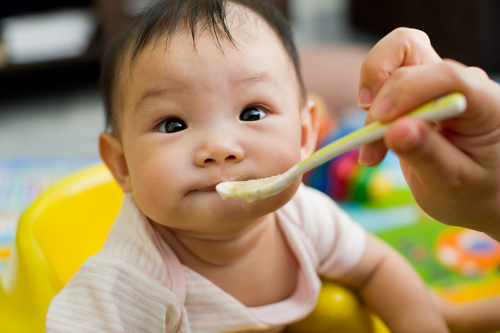
 Complementary feeding, the process of gradually introducing solid and semi-solid foods to an infant alongside breast milk or formula, is a critical phase in a child’s development. It bridges the nutritional gap that arises as breast milk or formula alone becomes insufficient to meet the growing child’s needs. This article explores the principles, timing, types of foods, and best practices for safe and effective complementary feeding.
The Importance of Complementary Feeding:
- Nutritional Adequacy:
- Breast milk or formula provides essential nutrients for the first six months of life.
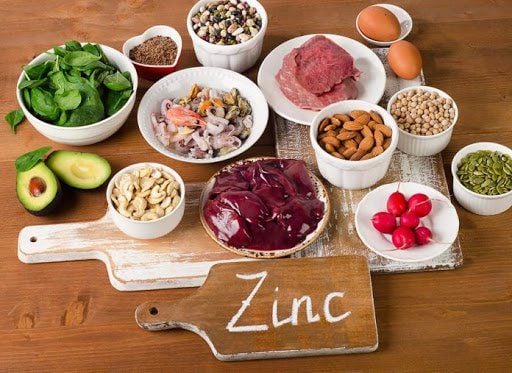
- After six months, infants require additional sources of iron, zinc, vitamins, and energy to support their rapid growth and development.
- Development of Oral Motor Skills:
- Complementary feeding helps infants develop crucial oral motor skills, such as chewing and swallowing.
- This process prepares them for a wider variety of foods and textures.
- Establishment of Healthy Eating Habits:
- Early introduction to diverse and nutritious foods can influence a child’s food preferences and eating habits later in life.
- It’s an opportunity to instill healthy dietary patterns.
- Prevention of Micronutrient Deficiencies:
- Complementary feeding can help prevent micronutrient deficiencies, such as iron-deficiency anemia, which can have long-term consequences for health and development.
Timing and Introduction:
- Six Months of Age:
- The World Health Organization (WHO) recommends exclusive breastfeeding for the first six months of life.
- Complementary feeding should begin around six months of age, when infants demonstrate developmental readiness.
- Signs of Readiness:
- Good head control.
- Ability to sit with support.
- Interest in food.
- Loss of the tongue-thrust reflex.
- The ability to move food from the front to the back of the mouth.
- Gradual Introduction:
- Introduce one new food at a time, allowing a few days between introductions to monitor for allergies or intolerances.
- Start with small amounts and gradually increase the quantity and variety of foods.
Types of Foods:
- Iron-Rich Foods:
- Infants require iron-rich foods to prevent anemia.
- Examples include iron-fortified cereals, pureed meats, and dark green leafy vegetables.
- Energy-Dense Foods:
- Provide adequate calories to support growth and activity.
- Examples include mashed potatoes, sweet potatoes, and avocados.
- Fruits and Vegetables:
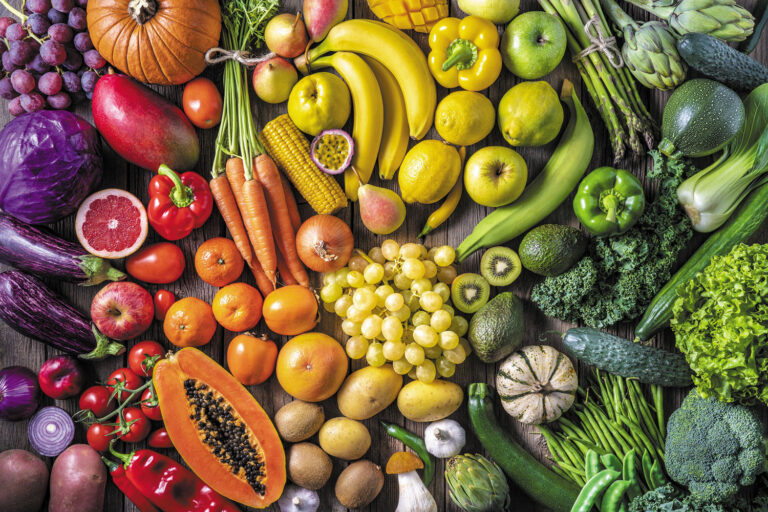
- Offer a variety of fruits and vegetables to provide vitamins, minerals, and fiber.
- Examples include pureed apples, bananas, carrots, and peas.
- Protein-Rich Foods:
- Essential for growth and development.
- Examples include pureed poultry, fish, and legumes.
- Age-Appropriate Textures:
- Start with smooth purees and gradually progress to mashed, lumpy, and chopped foods as the infant develops oral motor skills.
Best Practices for Safe and Effective Complementary Feeding:
- Hygiene:
- Wash hands thoroughly before preparing and feeding food.
- Use clean utensils and dishes.
- Store food safely to prevent contamination.
- Responsive Feeding:
- Feed infants responsively, recognizing and responding to their hunger and satiety cues.
- Avoid forcing infants to eat.
- Encourage self feeding when the child is ready.
- Frequency and Quantity:
- Start with small amounts and gradually increase the quantity and frequency of meals.
- The number of meals should increase with the child’s age.
- Nutrient Density:
- Focus on nutrient-dense foods to ensure infants receive adequate vitamins and minerals.
- Avoid sugary drinks and processed foods.
- Variety and Balance:
- Offer a variety of foods from different food groups to provide a balanced diet.
- Encourage exposure to different flavors and textures.
- Avoid Choking Hazards:
- Cut food into small, manageable pieces to prevent choking.
- Avoid hard, round foods like grapes, nuts, and whole carrots.
- Continue Breastfeeding:
- Continue breastfeeding alongside complementary feeding until at least two years of age or beyond.
- Cultural Considerations:
- Complementary feeding practices should be culturally appropriate and sensitive.
- Food Allergies:
- Introduce common allergen foods one at a time, in small amounts, and watch for reactions.
Challenges and Considerations:
- Food Insecurity:
- In many parts of the world, food insecurity can limit access to nutritious foods.
- Community-based interventions and support programs are essential.
- Cultural Beliefs:
- Cultural beliefs and practices can influence complementary feeding practices.
- It’s important to provide culturally sensitive education and support.
- Maternal Health:
- Maternal health and nutrition can impact the quality and quantity of breast milk.
- Supporting maternal health is crucial for successful complementary feeding.
- Access to Healthcare:
- Access to healthcare professionals and nutrition counseling is essential for addressing feeding challenges and providing support.
Complementary feeding is a crucial period in a child’s life, that if done correctly, can set up a child for a lifetime of healthy eating.
By following these guidelines and providing appropriate support, caregivers can ensure that infants receive the nutrients they need to thrive.