Congenital Disorders
 Congenital disorders, also known as birth defects, are structural or functional abnormalities that occur during fetal development and are present at birth. These conditions can range from mild to severe, affecting various organ systems and impacting a child’s quality of life. Understanding the causes, types, diagnosis, and management of congenital disorders is crucial for providing appropriate care and support to affected individuals and their families.
Causes of Congenital Disorders:
Congenital disorders can arise from a combination of genetic, environmental, and unknown factors.
- Genetic Factors:
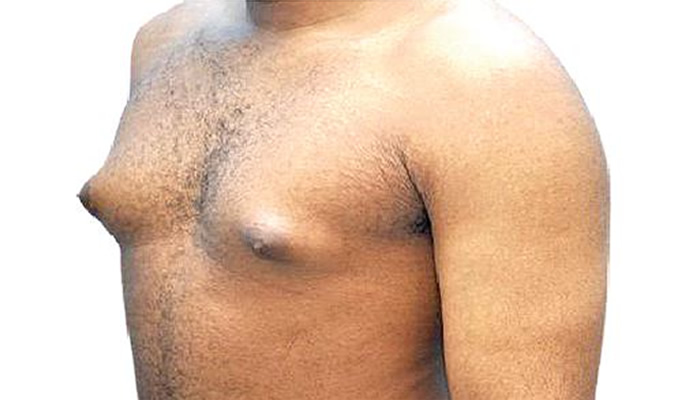
- Chromosomal Abnormalities: Changes in the number or structure of chromosomes, such as Down syndrome (trisomy 21), Turner syndrome (monosomy X), and Klinefelter syndrome (XXY).
- Single-Gene Mutations: Alterations in a single gene, leading to conditions like cystic fibrosis, sickle cell anemia, and hemophilia.
- Multifactorial Inheritance: A combination of genetic and environmental factors, such as neural tube defects (spina bifida), cleft lip and palate, and congenital heart defects.
- Chromosomal Abnormalities: Changes in the number or structure of chromosomes, such as Down syndrome (trisomy 21), Turner syndrome (monosomy X), and Klinefelter syndrome (XXY).
- Environmental Factors (Teratogens):
- Infections: Maternal infections during pregnancy, such as rubella, cytomegalovirus (CMV), and Zika virus.
- Medications: Certain medications taken during pregnancy, such as thalidomide and some anticonvulsants.
- Chemicals: Exposure to environmental toxins, such as heavy metals and pesticides.
- Radiation: Exposure to high levels of radiation.
- Maternal Health Conditions: Conditions like diabetes and uncontrolled hypertension can increase the risk.
- Alcohol and Drug Use: Fetal alcohol syndrome and drug withdrawal at birth.
- Unknown Factors:
- In many cases, the exact cause of a congenital disorder remains unknown.
Types of Congenital Disorders:
Congenital disorders can affect various organ systems, including:
- Congenital Heart Defects (CHDs):
- Abnormalities in the heart’s structure, such as ventricular septal defects (VSDs), atrial septal defects (ASDs), and tetralogy of Fallot.
- Neural Tube Defects (NTDs):
- Defects in the development of the brain and spinal cord, such as spina bifida and anencephaly.
- Orofacial Clefts:
- Cleft lip and cleft palate, which are openings in the lip and roof of the mouth.
- Limb Defects:
- Abnormalities in the development of limbs, such as polydactyly (extra fingers or toes) and syndactyly (fused fingers or toes).
- Chromosomal Disorders:
- Down syndrome, Turner syndrome, and Klinefelter syndrome.
- Genetic Disorders:
- Cystic fibrosis, sickle cell anemia, and hemophilia.
- Metabolic Disorders:
- Phenylketonuria (PKU) and congenital hypothyroidism.
Diagnosis:
Diagnosis of congenital disorders can occur before or after birth:
- Prenatal Diagnosis:
- Ultrasound: Imaging technique to visualize the fetus.
- Amniocentesis: Sampling of amniotic fluid for genetic testing.
- Chorionic Villus Sampling (CVS): Sampling of placental tissue for genetic testing.
- Maternal Blood Tests: Screening for chromosomal abnormalities and neural tube defects.
- Fetal MRI: can give more detailed images than an ultrasound.
- Postnatal Diagnosis:
- Physical examination.
- Genetic testing.
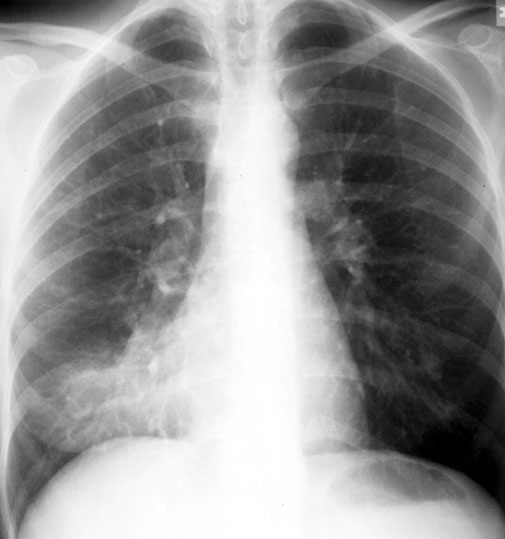
- Imaging studies (X-rays, CT scans, MRI scans).
- Blood tests.
- Newborn screening tests.
Management and Treatment:
The management of congenital disorders varies depending on the specific condition and its severity. Treatment options may include:
- Surgery: To correct structural defects, such as CHDs and cleft lip and palate.
- Medications: To manage symptoms or treat underlying conditions.
- Therapy: Physical therapy, occupational therapy, and speech therapy to improve function and development.
- Assistive Devices: To support mobility and independence.
- Genetic Counseling: To provide information and support to families.
- Early Intervention Programs: To support children with developmental delays.
- Ongoing medical care.
Prevention:
While not all congenital disorders are preventable, certain measures can reduce the risk:
- Prenatal Care: Regular prenatal checkups and screenings.
- Folic Acid Supplementation: Taking folic acid before and during pregnancy can reduce the risk of NTDs.
- Vaccinations: Vaccinating against rubella and other infections can prevent congenital infections.
- Avoiding Teratogens: Avoiding exposure to harmful substances during pregnancy.
- Genetic Counseling: For individuals with a family history of genetic disorders.
- Management of preexisting medical conditions.
- Healthy lifestyle choices during pregnancy.
Congenital disorders can have a significant impact on individuals and families. Early diagnosis, appropriate management, and ongoing support are essential for improving outcomes and quality of life.