Crimean-Congo Haemorrhagic fever
 Crimean-Congo hemorrhagic fever (CCHF) is a severe viral hemorrhagic fever caused by a Nairovirus belonging to the Bunyaviridae family. It’s a widespread disease, posing a significant public health threat in various regions of the world. Here’s a detailed overview:
Key Characteristics:
- Causative Agent:
- The CCHF virus.
- Transmission:
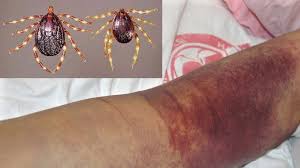
- Primarily through tick bites, particularly from Hyalomma ticks.
- Contact with infected animal blood or tissues, especially during and after slaughter.
- Human-to-human transmission through close contact with infected blood, secretions, organs, or other bodily fluids.
- Nosocomial infections (hospital-acquired) due to improper sterilization of medical equipment.
- Geographical Distribution:
- Endemic in Africa, the Balkans, the Middle East, and Asia, particularly in areas where Hyalomma ticks are prevalent.
- Severity:
- High case fatality rate, ranging from 10% to 40%.
- Severe hemorrhagic manifestations.
Transmission Details:
- Tick-borne Transmission:
- Hyalomma ticks are the principal vectors.
- Animals, including livestock, become infected through tick bites.
- The virus circulates in animal blood, allowing ticks to become infected when they feed.
- Animal-to-Human Transmission:
- People working with livestock, such as farmers, slaughterhouse workers, and veterinarians, are at higher risk.
- Contact with infected animal blood or tissues during slaughter or handling.
- Human-to-Human Transmission:
- Occurs through direct contact with infected bodily fluids.
- Healthcare workers are at risk if they do not adhere to strict infection control measures.
Symptoms:
- Incubation Period:
- Varies depending on the mode of transmission:
- 1-3 days (up to 9 days) after a tick bite.
- 5-6 days (up to 13 days) after contact with infected blood or tissues.
- Varies depending on the mode of transmission:
- Initial Symptoms:
- Sudden onset of fever.
- Headache.
- Muscle aches (myalgia).
- Dizziness.
- Neck pain and stiffness.
- Backache.
- Sore eyes and photophobia (sensitivity to light).
- Nausea, vomiting, diarrhea, abdominal pain, and sore throat.
- Mood swings and confusion.
- Later Symptoms:
- Sleepiness, depression, and lassitude.
- Liver enlargement (hepatomegaly).
- Rapid heart rate (tachycardia).
- Enlarged lymph nodes (lymphadenopathy).
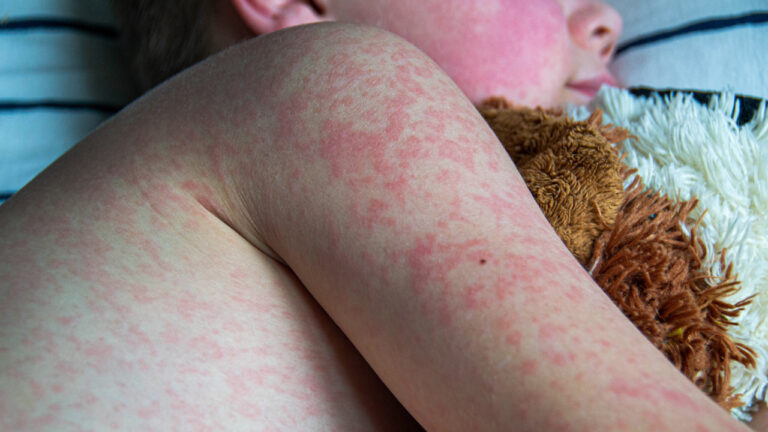
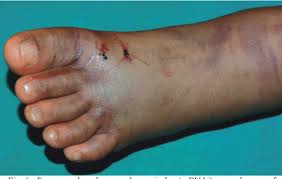
- Petechial rash (small, pinpoint hemorrhages) on skin and mucous membranes.
- Ecchymoses (larger areas of bruising).
- Severe bleeding (hemorrhage).
- Kidney and liver failure.
Diagnosis:
- Laboratory testing is essential for confirming CCHF:
- RT-PCR (real-time polymerase chain reaction) to detect the virus’s RNA.
- Antibody detection in blood samples.
Treatment:
- There is no specific antiviral treatment approved for CCHF.
- Supportive care is crucial:
- Fluid and electrolyte management.
- Blood transfusions.
- Treatment of complications.
- The antiviral drug ribavirin has been used in some cases, with varying degrees of success.
Prevention:
- Tick Control:
- Use of tick repellents (e.g., DEET).
- Wearing protective clothing.
- Controlling tick populations in livestock areas.
- Animal Handling Precautions:
- Wearing gloves and protective clothing when handling livestock.
- Avoiding contact with infected animal blood or tissues.
- Infection Control:
- Strict adherence to infection control measures in healthcare settings.
- Proper sterilization of medical equipment.
- Public Education:
- Raising awareness about the risks of CCHF and preventive measures.
- Currently there are no widely available human vaccines.
Public Health Importance:
- CCHF has a high mortality rate.
- The potential for human-to-human transmission poses a risk of outbreaks.
- The disease is a public health concern in endemic regions.
It’s vital for healthcare professionals and the public to be aware of CCHF and take appropriate precautions.