Understanding Depression:
- Definition:
- Depression is a mental health condition characterized by persistent sadness, loss of interest or pleasure, and other emotional and physical symptoms.
- It’s a medical condition, not a sign of weakness, and requires professional treatment.
- Key Symptoms:
- Persistent feelings of sadness, emptiness, or hopelessness.
- Loss of interest or pleasure in activities.
- Significant weight loss or gain, or a change in appetite.
- Insomnia or excessive sleep.
- Fatigue or loss of energy.
- Feelings of worthlessness or excessive guilt.
- Difficulty concentrating, remembering, or making decisions.
- Thoughts of death or suicide.
Types of Depression:
- Major Depressive Disorder:
- Characterized by severe symptoms that interfere with daily life.
- Episodes can occur once, twice, or many times in a lifetime.
- Persistent Depressive Disorder (Dysthymia):
- A chronic form of depression, with milder symptoms that last for at least two years.
- Bipolar Disorder:
- Involves episodes of depression and mania (periods of elevated mood and energy).
- Seasonal Affective Disorder (SAD):
- Depression that occurs during specific seasons, often in the winter due to reduced sunlight.
- Postpartum Depression:
- Depression that occurs after childbirth.
- Premenstrual Dysphoric Disorder (PMDD):
- Severe form of PMS, with depressive symptoms.
Causes and Risk Factors:
- Genetic Predisposition:
- A family history of depression can increase the risk.
- Brain Chemistry:
- Imbalances in neurotransmitters, such as serotonin, dopamine, and norepinephrine.
- Hormonal Changes:
- Hormonal fluctuations during pregnancy, postpartum, or menopause.
- Life Events:
- Stressful life events, such as loss of a loved one, job loss, or trauma.
- Medical Conditions:
- Chronic illnesses, such as heart disease, diabetes, or cancer.
- Substance Abuse:
- Personality Traits:
- Individuals with low self-esteem or a pessimistic outlook may be more susceptible.
Diagnosis:
- Medical History and Physical Exam:
- To rule out other medical conditions.
- Mental Health Evaluation:
- A thorough assessment of symptoms, mood, and behavior.
- Diagnostic Criteria:
- Mental health professionals use the Diagnostic and Statistical Manual of Mental Disorders (DSM-5) to diagnose depression.
Treatment:
- Psychotherapy (Talk Therapy):
- Cognitive Behavioral Therapy (CBT): Helps individuals identify and change negative thought patterns and behaviors.
- Interpersonal Therapy (IPT): Focuses on improving interpersonal relationships.
- Medications:
- Antidepressants: Selective serotonin reuptake inhibitors (SSRIs), serotonin-norepinephrine reuptake inhibitors (SNRIs), and others.
- Medication management by a psychiatrist is important.
- Lifestyle Changes:
- Regular exercise.
- Healthy diet.
- Adequate sleep.
- Stress management techniques.
- Brain Stimulation Therapies:
- Electroconvulsive Therapy (ECT): Used for severe depression that doesn’t respond to other treatments.
- Transcranial Magnetic Stimulation (TMS): Uses magnetic fields to stimulate nerve cells in the brain.
Support and Coping:
- Support Groups:
- Connecting with others who understand the experience of depression.
- Self-Care:
- Prioritizing activities that promote well-being.
- Building a Support Network:
- Connecting with friends, family, or mental health professionals.
- Setting Realistic Goals:
- Breaking down tasks into smaller, manageable steps.
Prevention:
- Early Intervention:
- Seeking help at the first signs of depression.
- Stress Management:
- Developing healthy coping mechanisms.
- Healthy Lifestyle:
- Maintaining a balanced lifestyle.
- Building Resilience:
- Developing coping skills and a positive outlook.
Depression is a treatable condition, and seeking help is a sign of strength. With appropriate treatment and support, individuals can manage their symptoms and live fulfilling lives.
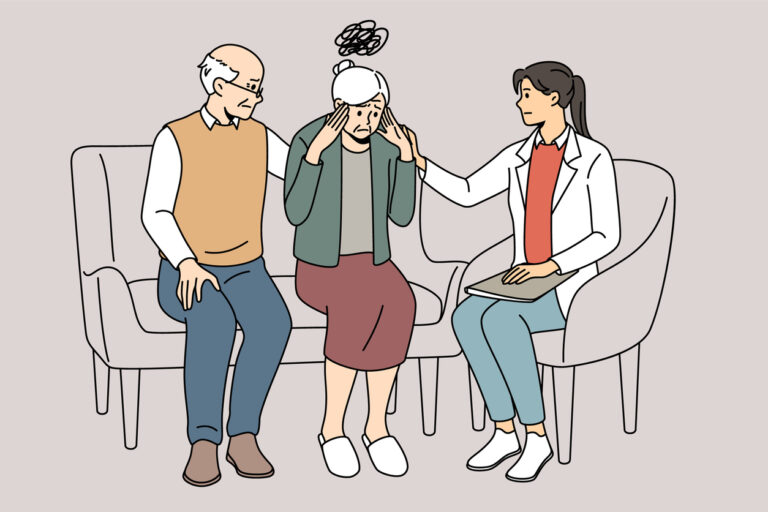
 Depression, also known as major depressive disorder, is a common and serious mood disorder that negatively affects how you feel, the way you think, and how you act. It causes persistent feelings of sadness and a loss of interest in activities you once enjoyed. More than just a feeling of being “down in the dumps,” depression can cause severe symptoms that interfere with your daily life. Understanding the complexities of depression is crucial for seeking effective treatment and support.