Diarrhea
 Diarrhea is a common condition characterized by loose, watery stools that occur frequently. While often short-lived, it can lead to dehydration and other complications, especially in vulnerable populations like children, the elderly, and those with weakened immune systems. Understanding the causes, symptoms, and treatment of diarrhea is essential for effective management.
Understanding Diarrhea:
- Definition:
- Diarrhea is defined as having three or more loose or watery stools in a 24-hour period
- It’s a symptom, not a disease itself, and can be caused by various factors.
- Types:
- Acute diarrhea: Lasts for a few days to a week. Often caused by infections.
- Persistent diarrhea: Lasts for two to four weeks.
- Chronic diarrhea: Lasts for more than four weeks. Often related to underlying medical conditions.
Causes of Diarrhea:
Diarrhea can be caused by a variety of factors, including:
- Infections:
- Viruses (e.g., rotavirus, norovirus).
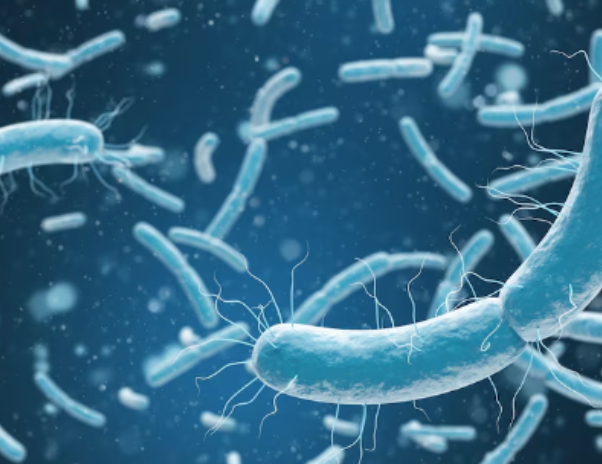
- Bacteria (e.g., Salmonella, Escherichia coli, Campylobacter).
- Parasites (e.g., Giardia, Cryptosporidium).
- Food Intolerances and Allergies:
- Lactose intolerance.
- Food allergies (e.g., celiac disease).
- Medications:
- Antibiotics.
- Laxatives.
- Other medications.
- Intestinal Diseases:
- Inflammatory bowel disease (e.g., Crohn’s disease, ulcerative colitis).
- Irritable bowel syndrome (IBS).
- Other Causes:
- Traveler’s diarrhea.
- Surgical procedures.
- Certain medical conditions.
Symptoms:
- Loose, watery stools.
- Abdominal cramps.
- Abdominal pain.
- Bloating.
- Nausea.
- Vomiting.
- Urgent need to have a bowel movement.
- Fever.
- Dehydration (symptoms include thirst, decreased urination, dry mouth, and dizziness).
- Bloody stools (in severe cases).
Complications:
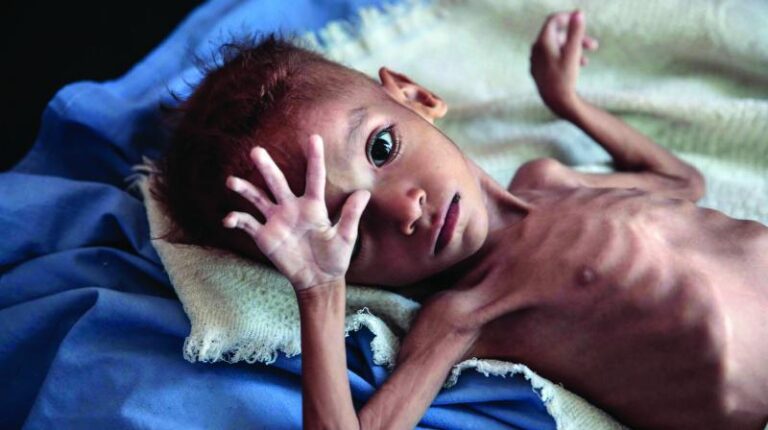
- Dehydration: This is the most serious complication, especially in young children and the elderly.
- Electrolyte imbalances: Loss of essential minerals.
- Kidney failure: In severe cases of dehydration.
Treatment:
- Rehydration:
- Oral rehydration solutions (ORS) are crucial for replacing lost fluids and electrolytes.
- Clear liquids, such as water, broths, and oral rehydration solutions.
- Dietary Changes:
- BRAT diet (bananas, rice, applesauce, toast) can be helpful.
- Avoid dairy products, fatty foods, and sugary drinks.
- Medications:
- Over-the-counter anti-diarrheal medications (use with caution, especially in children).
- Antibiotics (for bacterial infections, prescribed by a doctor).
- When to See a Doctor:
- Signs of dehydration.
- Bloody stools.
- High fever.
- Severe abdominal pain.
- Diarrhea lasting more than a few days.
Prevention:
- Hygiene:
- Frequent handwashing with soap and water.
- Proper food handling and preparation.
- Food Safety:
- Thoroughly cooking food.
- Avoiding raw or undercooked foods.
- Storing food properly.
- Water Safety:
- Drinking clean, treated water.
- Avoiding contaminated water sources.
- Vaccinations:
- Rotavirus vaccines for infants.
Diarrhea is a common ailment, but it’s important to take it seriously, especially when signs of dehydration appear. Proper hygiene, food safety, and prompt rehydration are key to managing and preventing this condition.