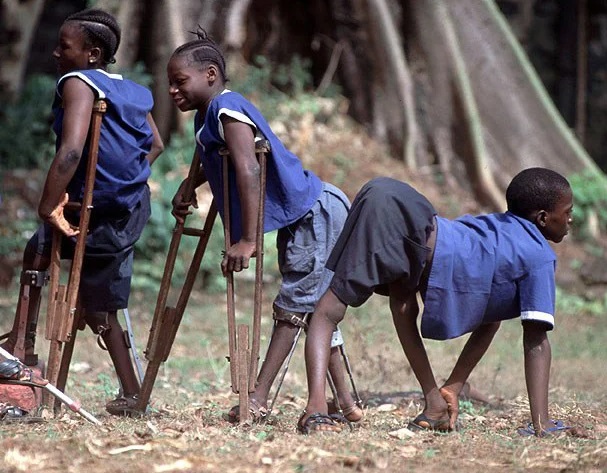
Elephantiasis
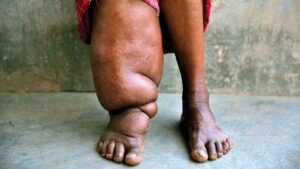
Elephantiasis, more accurately referred to as lymphatic filariasis, is a neglected tropical disease that can cause severe disfigurement and disability. It’s crucial to understand its causes, effects, and the ongoing efforts to eliminate it.
Understanding Lymphatic Filariasis:
- Cause:
- Lymphatic filariasis is caused by parasitic worms, specifically filarial nematodes. The primary culprits are:
- Wuchereria bancrofti
- Brugia malayi
- Brugia timori
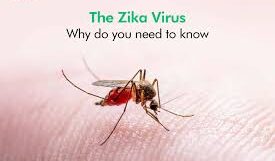
- These parasites are transmitted to humans through the bites of infected mosquitoes.
- Lymphatic filariasis is caused by parasitic worms, specifically filarial nematodes. The primary culprits are:
- Mechanism:
- When an infected mosquito bites a person, larvae are deposited onto the skin and enter the body.
- These larvae then migrate to the lymphatic system, where they mature into adult worms.
- The adult worms disrupt the normal function of the lymphatic system, which is responsible for draining fluid from tissues.
- This disruption leads to a buildup of fluid, causing swelling (lymphedema).
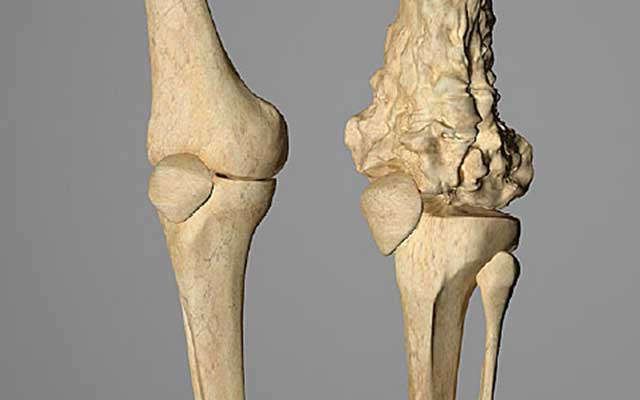
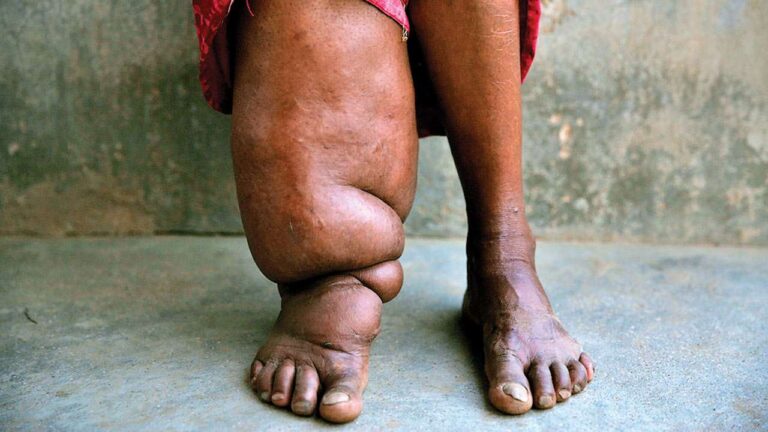
- Over time, this swelling can progress to elephantiasis, characterized by thickened, hardened skin and grossly enlarged limbs.
Symptoms and Effects:
- Early Stages:
- Often, infections are asymptomatic, meaning people don’t experience noticeable symptoms.
- However, the parasites are still damaging the lymphatic system.
- Later Stages:
- Lymphedema: Swelling of the limbs, particularly the legs, but also the arms and genitals.
- Elephantiasis: Extreme swelling and thickening of the skin and underlying tissues.
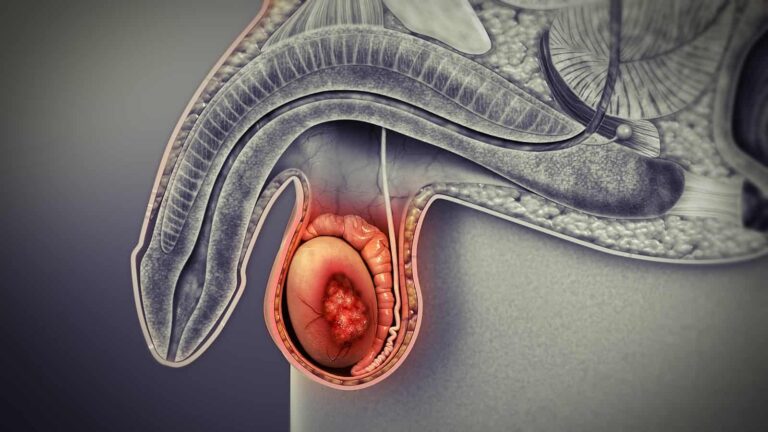
- Hydrocele: Swelling of the scrotum in men.
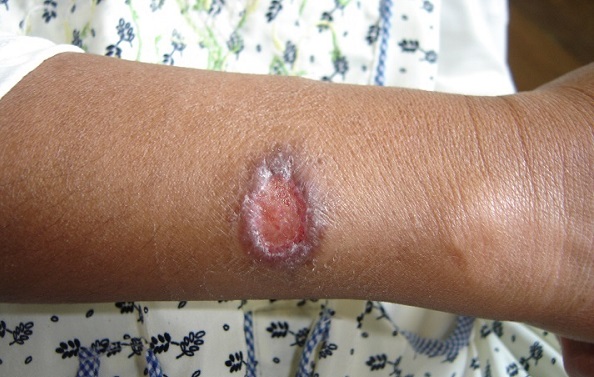
- Frequent bacterial infections of the skin and lymphatic system.
- Pain and disability.
- Significant social stigma and psychological distress.
Transmission:
- Mosquito-Borne:
- Lymphatic filariasis is spread through the bites of various types of mosquitoes, including:
- Culex
- Anopheles
- Aedes
- This makes it prevalent in tropical and subtropical regions where these mosquitoes thrive.
- Lymphatic filariasis is spread through the bites of various types of mosquitoes, including:
Treatment and Prevention:
- Treatment:
- Antifilarial drugs: Medications like diethylcarbamazine (DEC) and ivermectin are used to kill the microfilariae (larvae) in the bloodstream.
- Morbidity management: Focuses on managing the symptoms and preventing further complications through:
- Hygiene and skin care.
- Exercise and elevation of affected limbs.
- Treatment of secondary bacterial infections.
- In some cases, surgery may be necessary.
- Prevention:
- Mass drug administration (MDA): Distributing antifilarial drugs to entire at-risk populations to interrupt transmission.
- Mosquito control: Measures like insecticide-treated bed nets and reducing mosquito breeding sites.
- Improving sanitation and hygiene.
Global Efforts:
- The World Health Organization (WHO) has launched a Global Programme to Eliminate Lymphatic Filariasis (GPELF).
- This program aims to eliminate the disease by interrupting transmission and providing care for those affected.
Key Points:
- Lymphatic filariasis is a preventable disease.
- Early intervention is crucial to prevent severe complications.
- Ongoing global efforts are making significant progress in eliminating this debilitating disease.
I hope this information is helpful.