Beyond Abs: The Complete Guide to Building a Truly Strong, Functional Core
Introduction: The Core Misconception and Why It Matters
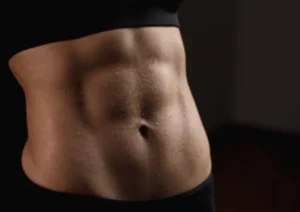
When most people think “core exercises,” they envision endless crunches and six-pack aspirations. But a truly strong core represents something far more profound: it’s the body’s central command center, the integrated system of muscles that connects upper and lower body, stabilizes the spine, transfers force, and protects vital organs. This comprehensive guide moves beyond superficial aesthetics to explore the science, function, and practical implementation of core training that builds resilience, prevents injury, and enhances overall physical capability.
Section 1: The Core Redefined – More Than Just Abs
The Core Cylinder: A 3D Understanding
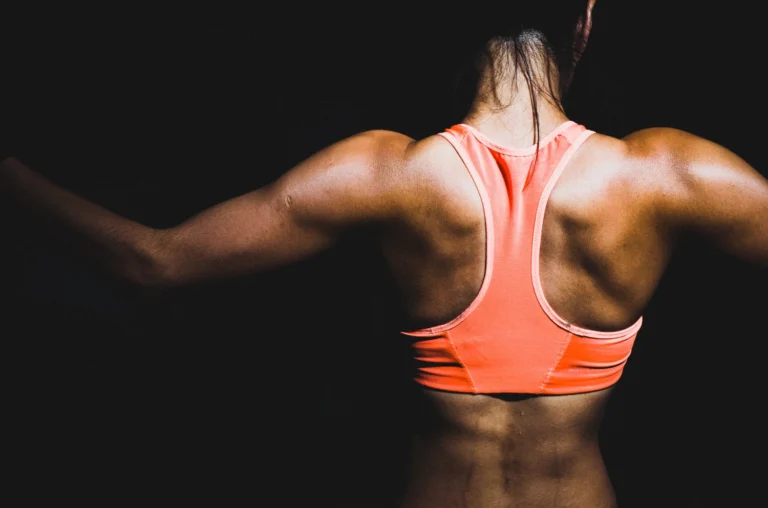
The core is not a single muscle but a multi-layered cylinder extending from your diaphragm to your pelvic floor, with walls of muscle wrapping 360 degrees around your torso.
Front Layer (Anterior Chain):
Rectus abdominis (“six-pack”): Spinal flexion
External/internal obliques: Rotation, lateral flexion
Transverse abdominis: Deep stabilization, natural weight belt
Back Layer (Posterior Chain):
Erector spinae: Spinal extension
Multifidus: Segmental spinal stabilization
Quadratus lumborum: Lateral stability
Top and Bottom (The “Lid and Floor”):
Diaphragm (top): Primary breathing muscle, pressure regulation
Pelvic floor (bottom): Supports organs, coordinates with deep abdominals
Side Walls:
The Real Functions of Your Core
Anti-Extension: Preventing your lower back from overarching
Anti-Flexion: Preventing your spine from rounding forward
Anti-Lateral Flexion: Preventing side-bending
Anti-Rotation: Preventing unwanted twisting
Force Transfer: Connecting upper and lower body power
Intra-Abdominal Pressure (IAP): Creating internal stability
Mechanism: Coordinated contraction creates hydraulic stiffness
Proper bracing: 360-degree expansion, not just sucking in
Section 2: The Core Training Hierarchy: From Foundation to Function
Level 1: Foundational Stability (Beginner)
Goal: Establish mind-muscle connection, learn proper bracing
1. Diaphragmatic Breathing:
- Lie on back, knees bent
- Place hands on lower ribs
- Inhale deeply through nose, feel ribs expand laterally
- Exhale fully through pursed lips, feel ribs draw together
- Perform: 2 minutes daily
2. Dead Bug Progression:
Level A (Arms Only):
- Lie on back, knees bent
- Raise arms straight up
- Slowly lower one arm overhead while maintaining ribcage down
- Alternate sides: 2x10 per side

Level B (Legs Only):
- Raise legs to tabletop position (hips/knees 90°)
- Slowly lower one leg while maintaining lumbar contact with floor
- Alternate: 2x10 per side

Level C (Full Dead Bug):
- Arms up, legs in tabletop
- Simultaneously extend opposite arm/leg
- Maintain constant lower back pressure on floor
- Perform: 3x8 per side
3. Bird-Dog:
- On all fours, neutral spine
- Simultaneously extend opposite arm/leg
- Hold 2 seconds, return with control
- Key: Prevent hip/shoulder rotation
- Perform: 3x8 per side
4. Side Plank Progression:
Level A (Bent Knee):
- On side, knees bent 90°
- Lift hips until body forms straight line knee to shoulder
- Hold 15-30 seconds

Level B (Straight Leg):
- Legs straight, feet stacked
- Lift hips to straight line
- Hold 20-40 seconds

Level C (With Rotation):
- In side plank, thread top arm under body
- Rotate chest toward floor, then back up
- Perform: 3x8 per side
Level 2: Dynamic Stability (Intermediate)
Goal: Develop stability during movement
1. Pallof Press Progression:
Setup: Cable/band at chest height
A. Standing Anti-Rotation:
- Stand sideways to anchor
- Hold handle at chest
- Press straight out, hold 2 seconds
- Maintain square hips/shoulders
- Perform: 3x10 per side

B. Half-Kneeling:
- Adds hip stability challenge
- Focus: Prevent hip hike/shift

C. Tall-Kneeling:
- Removes leg stability
- Increases core demand
2. Bear Crawl:
- On hands and knees, knees elevated 1-2 inches
- Crawl forward/backward maintaining:
  - Flat back
  - Knees close to ground
  - Slow, controlled movement
- Perform: 3x20-30 second crawls
3. Stir the Pot:
Equipment: Stability ball
- Assume plank position with forearms on ball
- Make small circles with forearms
- Key: Prevent hips from sagging or hiking
- Perform: 3x10 circles each direction
4. Cable Chop/Lift Series:
High to Low Chop:
- Cable/band high
- Rotate and pull diagonally downward
- Focus: Generate power through rotation while maintaining stable pelvis

Low to High Lift:
- Cable/band low
- Rotate and pull diagonally upward
- Perform: 3x8 per side each pattern
Level 3: Integrated Strength (Advanced)
Goal: Transfer core strength to compound movements
1. Ab Wheel Rollout Progression:
Level A (From Knees, Partial Range):
- Kneel, hands on wheel
- Roll forward only as far as you can maintain neutral spine
- Use wall as marker if needed

Level B (From Knees, Full Range):
- Roll until body is nearly parallel to floor
- Focus: Prevent lumbar hyperextension at bottom

Level C (Standing, Incline):
- Wheel on bench, standing rollout
- Advanced: Full standing rollout
- Perform: 3x5-10
2. Hanging Leg Raise Variations:
Level A (Knee Tucks):
- Hang from bar
- Bring knees to chest
- Focus: Minimize swing

Level B (Straight Leg Raises):
- Raise straight legs to parallel
- Key: Prevent momentum, control descent

Level C (Windshield Wipers):
- With legs raised, rotate side to side
- Advanced core stability/rotation challenge
- Perform: 3x8-12
3. Turkish Get-Up (TGU) Progression:
The 7-Step TGU (with kettlebell):
1. Roll to elbow
2. Press to hand
3. Bridge to opposite knee
4. Sweep leg through
5. Lunge position
6. Stand
7. Reverse
- Perform: 3x3 per side with light weight
4. Landmine Rotations:
- Barbell in landmine or corner
- Hold end of barbell at chest height
- Rotate from side to side
- Keep hips relatively stable (rotation comes from thoracic spine)
- Perform: 3x8 per side
Section 3: Specialized Core Training for Specific Goals
For Athletic Performance
Rotational Power Development:
Medicine Ball Rotational Throws:
Cable Rotational Punches:
Anti-Flexion for Contact Sports:
Body Saw:
RKC Plank:
Standard plank but with:
Hold: 3×20-30 seconds
For Posture Correction (Desk Workers)
Anterior Core Activation:
Dead Bug with Resistance Band:
Posterior Chain Integration:
Suitcase Carry:
Heavy dumbbell in one hand
Walk maintaining upright posture
Extreme anti-lateral flexion challenge
Perform: 3×30-60 second walks per side
Farmer’s Walk:
For Low Back Pain Prevention/Rehabilitation
McGill Big 3 (Developed by Dr. Stuart McGill):
1. Modified Curl-Up:
- Lie on back, one knee bent
- Hands under lumbar curve (maintain natural arch)
- Lift head/shoulders only until shoulders clear floor
- Key: Prevent chin tucking, maintain neck alignment
- Hold: 3x10 second holds
2. Side Plank:
- As described in Level 1
- Progress from knees to straight legs
- McGill Recommendation: Start with cumulative 2-minute holds daily
3. Bird-Dog:
- Emphasize slow, controlled movement
- Focus on maintaining neutral spine
- No excessive range
- Perform: 3x8 per side with 2-second hold
Additional Low Back Friendly:
Glute Bridge Variations:
Pallof Press:
For Breathing and Stress Management
Diaphragmatic Focus:
90/90 Breathing:
Lie with legs on wall (hips/knees 90°)
Focus on deep diaphragmatic breathing
Place book on belly, watch it rise/fall
Box Breathing with Core Engagement:
Inhale 4 seconds (expand belly/ribs)
Hold 4 seconds (maintain expansion)
Exhale 4 seconds (draw ribs down)
Hold 4 seconds (maintain contraction)
Repeat 5-10 cycles
Section 4: The Science of Core Training Programming
Training Variables for Core Development
Weekly Core Training Templates
General Fitness (Full Body Focus):
Monday: Anti-extension focus
- Dead Bug: 3x10
- Ab Wheel: 3x8
- Plank: 3x30s

Wednesday: Anti-rotation focus
- Pallof Press: 3x10/side
- Bird-Dog: 3x8/side
- Stir the Pot: 3x10 circles

Friday: Integrated
- Farmer's Walk: 3x30s
- Hanging Knee Raise: 3x10
- Side Plank: 3x30s/side
Athletic Performance:
Day 1 (Power):
- Medicine Ball Rotational Throws: 4x6/side
- Cable Wood Chops: 3x8/side
- Hanging Leg Raises: 3x8

Day 3 (Stability):
- RKC Plank: 3x20s
- Body Saw: 3x10
- Single-Leg Glute Bridge: 3x10/side

Day 5 (Integration):
- Turkish Get-Up: 3x3/side
- Landmine Rotation: 3x8/side
- Bear Crawl: 3x20s
Rehabilitation/Prehab:
Daily (McGill Big 3):
- Modified Curl-Up: Accumulate 2 minutes in holds
- Side Plank: Accumulate 2 minutes total/side
- Bird-Dog: 10 reps/side

3x Weekly (Additional):
- Cat-Cow: 10 reps (mobility)
- Dead Bug: 2x10
- Glute Bridge: 3x12
Progression Strategies
1. Time Under Tension (TUT):
2. Load Progression:
Add weight gradually (vests, bands, cables)
5-10% increase when technique perfect
3. Complexity:
4. Range of Motion:
Section 5: Common Core Training Mistakes and Corrections
Mistake 1: Overemphasizing Flexion (Crunches)
Problem: Excessive spinal flexion under load
Risk: Disc herniation, reinforced poor posture
Correction: Focus on anti-movements first
Mistake 2: Poor Breathing/Bracing
Problem: Holding breath or sucking in (drawing-in maneuver)
Risk: Reduced stability, increased blood pressure
Correction: Practice diaphragmatic breathing, 360-degree expansion
Mistake 3: Compensatory Patterns
Problem: Hip flexors dominating in leg raises
Identification: Lower back arches, pelvis tilts anteriorly
Correction: Reduce range, focus on posterior pelvic tilt
Mistake 4: Neglecting Posterior Chain
Problem: All anterior, no posterior work
Result: Muscle imbalances, posture issues
Correction: Include back extensions, reverse hypers, glute work
Mistake 5: Training to Failure Daily
Problem: Insufficient recovery for deep stabilizers
Result: Diminished returns, potential injury
Correction: 2-4 core sessions weekly, vary intensity
Section 6: Core Assessment and Self-Testing
Functional Tests
1. Plank Test (Anti-Extension):
Standard: Forearm plank, neutral spine
Good: 2+ minutes (men), 90+ seconds (women)
Compensation: Watch for hip sag/hike, shoulder collapse
2. Side Plank Test (Anti-Lateral Flexion):
Standard: Straight body, feet stacked
Good: 90+ seconds per side
Imbalance: >15% difference between sides
3. Dead Bug Test (Coordinated Stability):
Standard: Full dead bug with slow tempo
Good: 10 controlled reps without lumbar lift-off
Failure Point: When back arches off floor
4. Pallof Press Test (Anti-Rotation):
Standard: Standing, press and hold for 10 seconds
Good: Minimal hip/shoulder rotation
Compensation: Leaning away from anchor point
Movement Screening
Overhead Squat Assessment:
Watch for: Excessive forward lean, arching, lateral shift
Core implication: Inability to maintain trunk stability under load
Single-Leg Balance:
Test: Stand on one leg, eyes closed
Good: 30+ seconds without major wobble
Core role: Pelvic stability in unilateral stance
Section 7: Core Training Through Life Stages
Children and Adolescents (5-18)
Focus: Movement patterns, body awareness
Avoid: Heavy loaded flexion exercises
Emphasize: Games, crawling patterns, bodyweight stability
Adults (19-65)
Focus: Function, injury prevention, posture
Balance: Anti-movements with controlled rotation
Integration: Compound lifts with core focus
Older Adults (65+)
Priority: Fall prevention, functional independence
Emphasize: Balance integration, safe progression
Specific: Pelvic floor awareness, breathing coordination
Prenatal/Postpartum
Prenatal: Modifications for diastasis recti, avoid supine after 1st trimester
Postpartum: Re-establish connection before intensity
Focus: Deep core activation, pelvic floor coordination
Section 8: Equipment Guide – From Basic to Advanced
Minimal Equipment
Yoga Mat: Comfort, traction
Resistance Bands: Variable resistance, portability
Sliders: Instability challenge on smooth surfaces
Towel: Can substitute for sliders
Home Gym Additions
Stability Ball: Dynamic instability
Ab Wheel: Progressive overload for anti-extension
Medicine Ball: Rotational power development
Suspension Trainer: Bodyweight progressive challenge
Gym Equipment
Cable Machine: Unlimited angles, consistent tension
GHR/Hyperextension Bench: Posterior chain focus
Pull-up Bar: Hanging exercises
Landmine Attachment: Rotational loading
Section 9: Sample 12-Week Core Transformation Program
Phase 1: Foundation (Weeks 1-4)
Focus: Mind-muscle connection, proper bracing
Frequency: 4x weekly, 10-15 minutes

Session:
1. Diaphragmatic Breathing: 2 minutes
2. Dead Bug: 3x10
3. Bird-Dog: 3x8/side
4. Side Plank (knees): 3x20s/side
5. Glute Bridge: 3x12
Phase 2: Stability (Weeks 5-8)
Focus: Anti-movement mastery
Frequency: 3-4x weekly, 15-20 minutes

Session A (Extension/Rotation):
1. Pallof Press: 3x10/side
2. Stir the Pot: 3x10 circles
3. Plank with Leg Lift: 3x8/side

Session B (Integrated):
1. Bear Crawl: 3x20s
2. Farmer's Walk: 3x30s
3. Hanging Knee Raise: 3x8
Phase 3: Strength (Weeks 9-12)
Focus: Progressive overload, integration
Frequency: 3x weekly, 20-25 minutes

Session:
1. Ab Wheel Rollout: 3x6-8
2. Cable Wood Chop: 3x8/side
3. Turkish Get-Up: 3x3/side
4. Side Plank with Rotation: 3x8/side
5. Suitcase Carry: 3x30s/side
Conclusion: The Core of Everything
A truly strong core isn’t about achieving a certain look—it’s about building a resilient center that supports everything you do. From picking up your child without back pain to rotating explosively in sports to simply maintaining good posture through a long workday, your core is your foundation.
The most effective core training is:
Comprehensive: Addressing all movement vectors
Progressive: Gradually increasing challenge
Integrated: Connected to full-body movement
Consistent: Regular practice over time
Mindful: Focused on quality over quantity
Remember that your core works 24/7—it’s how you sit, stand, walk, and breathe. Training it isn’t just about the 15 minutes you spend on exercises; it’s about carrying that awareness and strength into every moment of your day.
Start where you are, master the fundamentals, progress intelligently, and you’ll discover that a strong core transforms not just how you move, but how you live. The stability you build in your center becomes the stability you experience in life—resilient, capable, and ready for whatever comes your way.