Fast Walking: The Underestimated Powerhouse for Strength and Longevity
Introduction: The Simple Act That Defies Aging
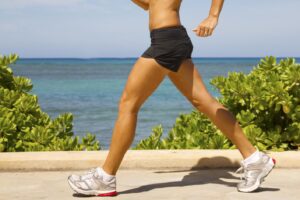
In an era of high-intensity fitness trends and complex exercise regimens, fast walking stands as a deceptively simple yet profoundly powerful practice. Beyond its reputation as “just walking,” purposeful, brisk ambulation represents one of the most accessible, sustainable, and scientifically validated interventions for enhancing both muscular strength and life expectancy. This comprehensive examination explores how this fundamental human movement, when performed with intention and consistency, can reshape physiology, fortify the body against decline, and add quality years to life.
Section 1: Redefining Fast Walking – Beyond a Leisurely Stroll
The Performance Spectrum of Walking
Walking Intensity Categories:
Slow/Leisurely: <2.5 mph, conversational without effort
Brisk/Moderate: 3.0-4.0 mph, purposeful stride, slightly elevated breathing
Fast/Vigorous: 4.0-5.0 mph, “walking with intent,” noticeable breathing increase
Power Walking: 5.0+ mph, arm swing emphasis, aerobic challenge
The “Fast Walking” Sweet Spot:
Speed: 3.5-4.5 mph (14-17 minutes per mile)
Perceived Exertion: 5-6/10 (moderate to somewhat hard)
Conversation Test: Can speak in sentences but not sing comfortably
Heart Rate: 60-70% of maximum (aerobic zone)
Biomechanical Distinctions from Running:
Gait Pattern: Always one foot in contact with ground
Impact Forces: 1.1-1.5x body weight (vs. 2.5-3x for running)
Muscle Activation: Different recruitment patterns, more sustained contractions
Joint Stress: Significantly lower, particularly in knees and hips
Section 2: The Strength-Building Paradox – How Walking Builds Muscle
The Misconception of Walking as “Just Cardio”
Lower Body Strength Development:
Gluteal Activation:
Mechanism: Hip extension during push-off phase
Intensification: Incline walking increases glute max activation by 200-300%
Evidence: EMG studies show comparable glute activation to squats at 10%+ inclines
Quadriceps and Hamstrings:
Concentric Phase: Quads during knee extension (forward leg)
Eccentric Phase: Hamstrings during leg deceleration (rear leg)
Strength Transfer: Particularly to stair climbing, rising from chairs
Calf Complex Development:
Gastrocnemius/Soleus: Primary plantar flexors during toe-off
Endurance Adaptation: Thousands of repetitions build fatigue resistance
Functional Strength: Direct transfer to balance and propulsion
The Core and Postural Strength Connection
Unseen Stability Work:
Anti-Rotation Demands:
Asymmetrical arm swing creates rotational forces
Core muscles work to maintain forward orientation
Equivalent to: Light Pallof press with thousands of repetitions
Pelvic Stabilization:
Gluteus medius/minimus activation with each step
Prevents Trendelenburg gait (hip drop)
Direct benefit: Reduced risk of hip/knee injuries
Erector Spinae Engagement:
Upright posture maintenance against gravity
Particularly emphasized with brisk arm swing
Postural benefit: Counters forward head/rounded shoulders from sitting
Upper Body Engagement Through Arm Swing
The Often-Overlooked Upper Body Work:
Deltoids: Anterior fibers during forward swing
Latissimus Dorsi: During arm deceleration phase
Rhomboids/Trapezius: Scapular retraction with proper posture
Rotator Cuff: Stabilization throughout swing cycle
The Power Walking Advantage:
Bent-elbow technique: Increases upper body metabolic demand 5-10%
Cross-body patterns: Enhance core rotation resistance
Evidence: Regular power walkers show 15-20% greater upper body endurance
Bone Strength and Density
The Osteogenic Effect:
Mechanism: Ground reaction forces stimulate bone remodeling
Optimal Intensity: 3.5-4.5 mph provides ideal loading stimulus
Site-Specific Benefits:
Hips: Weight-bearing through femoral neck
Spine: Axial loading through vertebrae
Heels: Calcaneal (heel bone) density improvement
Research: Postmenopausal women gain 1-2% hip bone density annually with regular brisk walking
Section 3: The Longevity Equation – How Fast Walking Adds Years to Life
Epidemiological Evidence: Population Studies Speak
Landmark Research Findings:
Harvard Alumni Study (Dr. Ralph Paffenbarger):
Participants: 17,000 Harvard alumni followed for decades
Finding: Walking 9+ miles weekly reduced all-cause mortality by 22%
Dose-response: Every additional mile walked reduced mortality risk 2%
Nurses’ Health Study:
Participants: 72,000 female nurses
Finding: 3+ hours weekly brisk walking = 34% lower coronary event risk
Equivalent benefit: To running half the time/distance
Cooper Institute Longitudinal Study:
UK Biobank (2023 Analysis):
Participants: 400,000+ individuals
Finding: 10,000 steps daily reduced mortality 39%, cancer 25%, CVD 49%
Intensity matters: Steps at faster pace provided additional 10-15% protection
Biological Mechanisms of Longevity Enhancement
1. Cardiovascular Rejuvenation:
VO2 Max Preservation: Maintains maximal oxygen uptake (declines 1% annually after 30)
Stroke Volume Increase: More efficient blood pumping per beat
Capillary Density: Increased microcirculation to muscles and organs
Blood Pressure Regulation: 5-10 mmHg reduction in hypertensive individuals
2. Metabolic Optimization:
Insulin Sensitivity: Up to 50% improvement in glucose disposal
Mitochondrial Biogenesis: Increases cellular energy factories
Lipid Profile: Increases HDL, decreases triglycerides
Visceral Fat Reduction: Particularly effective at reducing dangerous abdominal fat
3. Inflammation Reduction:
Cytokine Modulation: Decreases TNF-alpha, IL-6 (inflammatory markers)
Adiponectin Increase: Anti-inflammatory hormone from fat tissue
CRP Reduction: Lowers C-reactive protein (systemic inflammation marker)
4. Cellular Aging Deceleration:
Telomere Length: Associated with higher walking volumes (longer protective chromosome caps)
Autophagy Enhancement: Cellular cleanup process stimulated
Oxidative Stress Reduction: Decreases free radical damage
5. Neuroprotective Effects:
Brain Volume: Maintains hippocampal size (memory center)
BDNF Increase: Brain-derived neurotrophic factor promotes neuron health
Cerebral Blood Flow: 15-20% increase during and after walking
Neurogenesis: May stimulate new neuron formation in key areas
Section 4: The Combined Strength-Longevity Synergy
How Muscular Strength Extends Life
Independent Protective Effects of Strength:
Metabolic Rate Preservation:
Glucose Disposal Sites:
Functional Independence:
Fall Prevention:
The Walking-Strength Loop:
Brisk Walking → Lower Body Strength → Better Walking Economy →
More Walking Volume → Increased Strength → Further Longevity Benefits
Quantifying the Combined Benefit
Meta-Analysis Data:
Cardio + Strength Training: 40% greater mortality reduction than either alone
Walking + Resistance Elements: Optimal balance for adherence and benefit
Dose: 150 minutes walking + 2 strength sessions weekly = “sweet spot”
Longevity Mathematics:
Walking Alone: Adds 3-5 years of life expectancy at population level
Strength Alone: Adds 2-3 years
Combined: Synergistic effect adding 5-7+ years
Quality Adjusted: More years spent mobile and independent
Section 5: Optimizing Fast Walking for Maximum Benefit
The Progressive Walking Framework
Phase 1: Foundation (Weeks 1-4)
Frequency: 3-4 days weekly
Duration: 20-30 minutes
Intensity: “Brisk but conversational” (3.5-4.0 mph)
Focus: Consistency, posture, natural arm swing
Phase 2: Development (Weeks 5-12)
Frequency: 4-5 days weekly
Duration: 30-45 minutes
Intensity: Intervals: 3 min brisk (4.0 mph)/1 min fast (4.5+ mph)
Add: 1-2% incline for strength emphasis
Phase 3: Optimization (Months 4+)
Frequency: 5-6 days weekly
Duration: 45-60 minutes
Intensity: Continuous at 4.0-4.5 mph or structured intervals
Incline: 3-5% sustained or hill repeats
Add: Weighted vest (5-10% body weight) for bone/strength stimulus
Strength-Enhancing Walking Techniques
1. Incline Emphasis:
5% incline: Increases calorie burn 50%, glute activation 200%
Hill Repeats: 2-3 minute climbs at 5-10% grade
Progression: Increase grade before speed for strength focus
2. Weighted Walking Strategies:
Weighted Vest: Distributes load evenly, maintains natural gait
Start: 5% of body weight, progress to 10%
Avoid: Hand/ankle weights (alter mechanics, increase injury risk)
3. Technique Refinements for Strength:
Posture: Tall spine, slight forward lean from ankles
Stride: Natural length, avoid overstriding
Push-off: Emphasize through big toe (calf/glute activation)
Arm Swing: 90° elbow bend, swing shoulder to pocket
4. Terrain Variation:
Sand: 2.5x greater energy cost, extreme lower body challenge
Trails: Uneven surfaces increase stabilizing muscle activation
Stairs: Maximum strength stimulus for quads/glutes
Monitoring and Progression
Intensity Metrics:
Talk Test: Conversational but not singing
Perceived Exertion: 5-6/10 on Borg Scale
Heart Rate: 60-70% of maximum (approx. 180 – age)
Pace: 15-17 minutes per mile (3.5-4.0 mph)
Progression Rules:
10% Rule: Increase weekly volume ≤10%
Intensity Before Duration: Reach target pace before extending time
Listen to Joints: Pain that alters gait = reduce intensity/volume
Section 6: Complementary Practices for Enhanced Benefits
Strength Training Synergy
Minimal Effective Strength Additions:
2x Weekly, 20-30 minutes:

Lower Body Focus:
- Goblet Squats: 3x10-12
- Romanian Deadlifts: 3x10-12
- Calf Raises: 3x15-20

Full Body Option:
- Squat to Press: 3x8-10
- Bent-over Rows: 3x10-12
- Plank: 3x30-60s
The 80/20 Approach:
80%: Walking volume (aerobic base, daily movement)
20%: Strength work (muscle preservation, bone density)
Result: Comprehensive protection with sustainable time commitment
Mobility and Recovery
Essential for Walkers:
Hip Flexor Stretching: Counteract sitting, maintain stride length
Calf Flexibility: Prevent Achilles/plantar fascia issues
Thoracic Mobility: Support upright posture
Foam Rolling: Quads, hamstrings, glutes, calves
Daily Movement Snacks:
5 minutes mobility upon waking
2-3 minute walks every hour if sedentary job
Evening gentle stretching
Section 7: Population-Specific Considerations
For Older Adults (65+)
Special Benefits:
Fall Prevention: 30-40% reduction with regular brisk walking
Cognitive Protection: 50% lower dementia risk with 30+ minutes daily
Arthritis Management: Low-impact movement reduces pain, maintains function
Safety Modifications:
Poles: Nordic walking for stability, upper body engagement
Surfaces: Even, well-lit paths
Intensity: Moderate (3.0-3.5 mph) with focus on duration
Frequency: Daily shorter walks better than fewer long ones
For Weight Management
Metabolic Advantages:
Afterburn: 5-10% additional calories burned post-walk
Appetite Regulation: Often better than high-intensity for hunger control
Sustainability: Higher adherence than more intense protocols
Optimal Protocol:
Daily: 45-60 minutes brisk walking
Timing: Morning before breakfast may enhance fat oxidation
Combination: With calorie-controlled diet for 1-2 lb weekly loss
For Chronic Conditions
Type 2 Diabetes:
Mechanism: Muscular glucose uptake without insulin
Timing: 15-minute post-meal walks particularly effective
Benefit: 20-30% reduction in medication needs possible
Hypertension:
Acute Effect: 5-10 mmHg reduction for 22 hours post-walk
Chronic: May reduce or eliminate medication in stage 1 hypertension
Caution: Monitor if on blood pressure medications
Osteoarthritis:
Cartilage Nutrition: Movement pumps synovial fluid
Strength: Supports joints without excessive impact
Pain Management: Natural endorphin release
Section 8: The Psychology of Sustainable Walking
Adherence Factors
Why Walking Succeeds Where Other Exercise Fails:
Low Perceived Effort: “Just a walk” vs. “a workout”
Minimal Barriers: No equipment, facility, or special clothing needed
Social Flexibility: Can be solo, conversational, or group activity
Multi-tasking Potential: Combine with phone calls, podcasts, nature appreciation
Habit Formation Strategies:
Implementation Intentions: “I will walk at [time] at [location]”
Environment Design: Keep walking shoes by door
Tracking: Simple step counting (device or app)
Rewards: Non-food celebrations of consistency
Mindfulness Integration
Walking Meditation Benefits:
Stress Reduction: Combines physical activity with mindfulness
Attention Restoration: Nature walking particularly effective
Dual-task Practice: Improves cognitive reserve
Techniques:
Sensory Awareness: Notice 5 things you see, 4 hear, 3 feel, etc.
Breath-Step Synchronization: Inhale 3 steps, exhale 3 steps
Gratitude Walks: Dedicate walk to appreciating something specific
Section 9: Technology and Tracking for Optimization
Useful Metrics
Essential to Track:
Daily Steps: Aim for 7,000-10,000 (elderly) to 10,000-15,000 (active adults)
Brisk Minutes: 150+ weekly minutes ≥3.5 mph
Consistency: Days with ≥30 minute walks
Advanced Metrics (if available):
Heart Rate Zones: Time in 60-70% max HR
Vertical Gain: Elevation climbed (strength proxy)
Gait Analysis: Stride length, symmetry (injury prevention)
Practical Tracking Approach
Minimalist: Daily step count with phone or basic tracker
Balanced: Steps + 2-3 weekly tracked brisk walks
Comprehensive: Full activity profile with heart rate, routes, progress
Avoid: Obsessive tracking that reduces enjoyment
Conclusion: Walking as Foundational Human Medicine
Fast walking represents what might be the most elegant intervention in preventive medicine: profoundly effective yet supremely accessible, strengthening both body and mind while adding meaningful years to life. Its power lies not in dramatic transformation but in consistent, sustainable practice—the compound interest of health investments.
The research is unequivocal: regular brisk walkers live longer, healthier, more independent lives. They maintain strength that defies calendar age, preserve cognitive function, and navigate life’s physical demands with greater ease. Perhaps most importantly, they demonstrate that extraordinary health benefits don’t require extraordinary measures—just ordinary movement performed with consistency and intention.
In a world increasingly optimized for sedentary comfort, choosing to walk briskly is a revolutionary act of self-preservation. It reclaims our evolutionary heritage as persistence hunters, aligns with our biological design, and offers a pathway to vitality that remains open to nearly everyone regardless of age, resources, or fitness starting point.
The prescription is simple but profound: walk briskly most days, challenge yourself occasionally with hills or pace, and continue for a lifetime. Your muscles will strengthen, your cells will age more slowly, and your future self will thank you for each purposeful step taken today. In the journey toward lasting health and longevity, sometimes the most powerful direction is simply forward, one brisk step at a time.