Food Allergies in Children: A Comprehensive Guide to Diagnosis, Management, and Modern Paradigms
Introduction: A Growing Public Health Imperative
Food allergies represent a significant and escalating public health concern, affecting an estimated 8% of children in the United States—approximately two students in every classroom. Far beyond a simple dislike or intolerance, a food allergy is an immune-mediated, potentially life-threatening reaction to a specific food protein. For affected children and their families, it imposes a daily regimen of vigilance that impacts nutrition, social activities, education, and emotional well-being. The landscape of food allergy has transformed dramatically in the last decade, moving from strict avoidance to active prevention and novel treatments.
This detailed guide explores the immunology of food allergies, common triggers, accurate diagnosis, emergency management, and the groundbreaking strategies that are reshaping the future for allergic children.
Part 1: The Immunology of a Food Allergy – A Case of Mistaken Identity
A food allergy occurs when the body’s immune system mistakenly identifies a harmless food protein as a dangerous invader.
The Two Main Immune Pathways:
IgE-Mediated Food Allergy (Immediate, Classic):
Mechanism: The immune system produces Immunoglobulin E (IgE) antibodies specific to a food protein (e.g., peanut protein). Upon subsequent exposure, these IgE antibodies, mounted on mast cells and basophils, recognize the allergen and trigger the rapid release of inflammatory chemicals like histamine.
Reaction Timing: Symptoms typically occur within minutes to two hours.
Symptoms: Can range from mild to severe (anaphylaxis) and affect multiple organ systems:
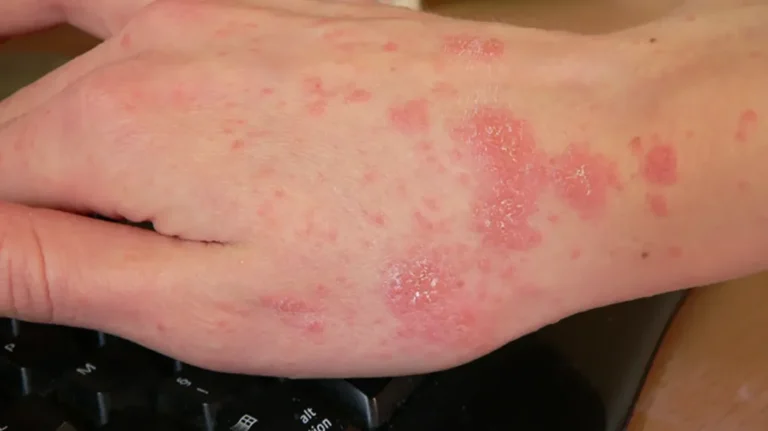
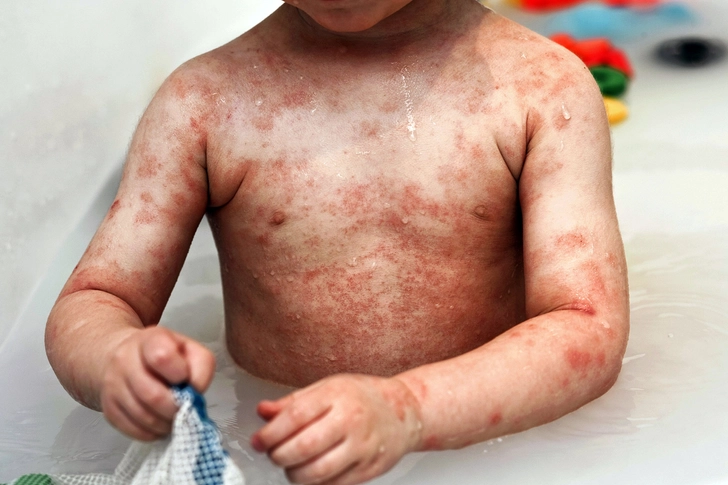
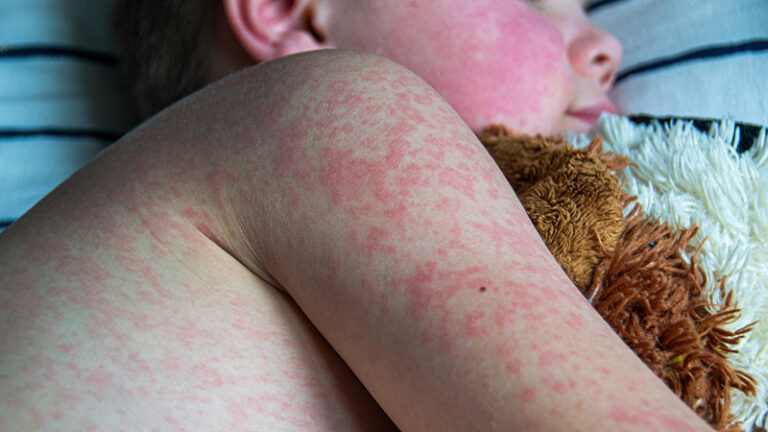
Skin: Hives (urticaria), redness, swelling (angioedema), itching.
Gastrointestinal: Vomiting, diarrhea, abdominal pain.
Respiratory: Coughing, wheezing, throat tightness, hoarse voice, nasal congestion.
Cardiovascular: Dizziness, lightheadedness, drop in blood pressure, rapid/weak pulse.
Common Triggers: Peanut, tree nuts, milk, egg, shellfish, fish, wheat, soy, sesame.
Non-IgE-Mediated Food Allergy (Delayed, Cell-Mediated):
Mechanism: Other immune cells (T-cells) drive the reaction, without IgE involvement.
Reaction Timing: Symptoms are delayed, occurring hours to days after ingestion.
Symptoms: Primarily gastrointestinal and skin-related.
Food Protein-Induced Enterocolitis Syndrome (FPIES): Severe vomiting, diarrhea, lethargy, dehydration. Common triggers: milk, soy, grains (rice, oat).
Eosinophilic Esophagitis (EoE): Difficulty feeding/swallowing, vomiting, abdominal pain, failure to thrive. Triggered by foods and environmental allergens.
Allergic Proctocolitis: Blood-streaked/mucousy stools in otherwise healthy infants. Common trigger: cow’s milk protein via breastmilk or formula.
Mixed IgE and Non-IgE Disorders: (e.g., Atopic Dermatitis/Eczema).
Key Distinction: Food Allergy vs. Food Intolerance
Food Allergy: Involves the immune system. Even tiny amounts can trigger a reaction.
Food Intolerance (e.g., Lactose Intolerance): Involves the digestive system (enzyme deficiency). Causes discomfort (gas, bloating, diarrhea) but is not life-threatening.
Part 2: The “Top 9” Allergens and Emerging Threats
While over 170 foods can cause allergies, nine account for the vast majority of serious reactions:
Milk: The most common allergy in infants and young children. Often outgrown.
Egg: The second most common. Many outgrow it; baked egg tolerance often precedes plain egg tolerance.
Peanut: A leading cause of severe, life-long allergy. Not the same as tree nuts (they are legumes).
Tree Nuts: Includes almond, cashew, walnut, pistachio, pecan, hazelnut, etc. Often life-long.
Soy: Common in infants; many outgrow by age 10.
Wheat: Distinct from celiac disease (an autoimmune disorder triggered by gluten).
Fish (e.g., salmon, tuna): Often life-long, can develop in adulthood.
Shellfish (e.g., shrimp, crab): The most common adult-onset food allergy.
Sesame: A rising concern, now a top allergen requiring labeling in the U.S. (FASTER Act).
Other Notable Allergens: Mustard, certain seeds (poppy, sunflower), corn, meats (alpha-gal syndrome from tick bites).
Part 3: Diagnosis: Moving Beyond Guesswork
Accurate diagnosis by a board-certified allergist is critical to avoid unnecessary restriction and ensure safety.
Detailed Clinical History: The cornerstone. The doctor will ask about the specific food, amount ingested, timing and nature of symptoms, and treatment given.
Skin Prick Test (SPT):
A tiny amount of allergen extract is placed on the skin, which is then gently pricked.
A positive test (a raised, itchy bump called a wheal) indicates sensitization (IgE presence) but does not confirm a clinical allergy. Up to 60% of positive SPTs are false positives.
Specific IgE Blood Test:
Measures levels of food-specific IgE antibodies in the blood.
Like the SPT, it indicates sensitization, not definitive allergy. Newer component testing can distinguish between proteins likely to cause severe reactions vs. mild ones (e.g., Ara h 2 in peanut).
Oral Food Challenge (OFC): The Gold Standard for Diagnosis.
Conducted under strict medical supervision.
The child consumes gradually increasing amounts of the suspected food.
A passed OFC definitively rules out an allergy. A failed OFC confirms the diagnosis and establishes the threshold dose.
Diagnosis of Non-IgE Allergies often requires a combination of history, elimination diets, and supervised food challenges.
Part 4: Emergency Management: Anaphylaxis and the Action Plan
Anaphylaxis is a severe, rapid-onset, multi-system allergic reaction that is potentially fatal. It requires immediate treatment with epinephrine.
Recognizing Anaphylaxis:
It is likely anaphylaxis if there is sudden onset of symptoms involving TWO OR MORE body systems (e.g., hives AND vomiting, OR coughing AND dizziness), OR severe single-system involvement like:
Difficulty breathing/swallowing
Significant throat tightness
Sudden weakness/dizziness/collapse
The Emergency Response:
Inject Epinephrine IMMEDIATELY. This is the first and only first-line treatment. Use an auto-injector (EpiPen, Auvi-Q, etc.).
Call 911. State “anaphylaxis.” The child must go to the hospital by ambulance, as a biphasic (second-wave) reaction can occur.
Have the child lie down with legs elevated (if breathing is comfortable) to maintain blood flow. Do not have them sit up or walk.
A second dose of epinephrine may be needed if symptoms persist or worsen after 5-15 minutes.
Every child with a food allergy must have an updated, written Anaphylaxis Emergency Action Plan, signed by their doctor, and accessible at all times (school, home, activities).
Part 5: Daily Management and Prevention: A New Era
Daily Life & Avoidance:
Label Reading: Mandatory but complex. Know terms for your allergen (e.g., “casein” for milk).
Cross-Contact: Prevent during food prep with separate utensils, surfaces, and fryer oil.
School & Camp: Develop a 504 Plan or Individual Health Care Plan. Educate staff on recognition and epinephrine use.
Social & Psychological Impact: Address anxiety, bullying, and social isolation. Seek support from groups like FARE (Food Allergy Research & Education).
Groundbreaking Advances in Prevention and Treatment:
The paradigm has shifted from passive avoidance to active intervention.
Primary Prevention: Early Introduction
Landmark LEAP Study: Introducing peanut-containing foods to high-risk infants (with severe eczema/egg allergy) between 4-6 months of age reduced peanut allergy by 81%.
Current Guidelines: For all infants, introduce common allergens (peanut, egg) around 6 months, once they tolerate a few other solids. For high-risk infants, evaluation/testing before introduction at 4-6 months is recommended.
Treatment: Oral Immunotherapy (OIT)
What it is: A supervised, gradual daily feeding of the allergen (e.g., peanut flour) to raise the reaction threshold. It is not a cure but a treatment for desensitization.
Goal: To protect against accidental ingestion, reduce anxiety, and prevent severe reactions. It requires strict, daily dosing and carries risk of reactions, especially during up-dosing.
FDA-Approved OIT Products: Palforzia® for peanut allergy (ages 4-17).
Conclusion: Navigating a Path to Safety and Confidence
A food allergy diagnosis is life-changing, but it is not life-limiting. Armed with accurate diagnosis, a solid emergency plan, and a supportive care team, children with food allergies can lead full, active lives. The future is brighter than ever, with research focused on more effective treatments, better diagnostics, and ultimately, cures. The key for families is to partner closely with a specialist allergist, stay informed on evolving guidelines, and foster resilience—ensuring their child’s safety without sacrificing their joy.
Essential Resources:
American Academy of Allergy, Asthma & Immunology (AAAAI): www.aaaai.org
Food Allergy Research & Education (FARE): www.foodallergy.org
Kids with Food Allergies (KFA): A division of the Asthma and Allergy Foundation of America.
Disclaimer: This article is for informational purposes only and is not a substitute for professional medical advice, diagnosis, or treatment. Always seek the advice of your physician, allergist, or other qualified health provider with any questions you may have regarding a medical condition.