Building Defenses from Within: A Comprehensive Guide to Foods That Boost Your Child’s Immune System
Introduction: Beyond Vitamins – The Holistic Approach to Childhood Immunity
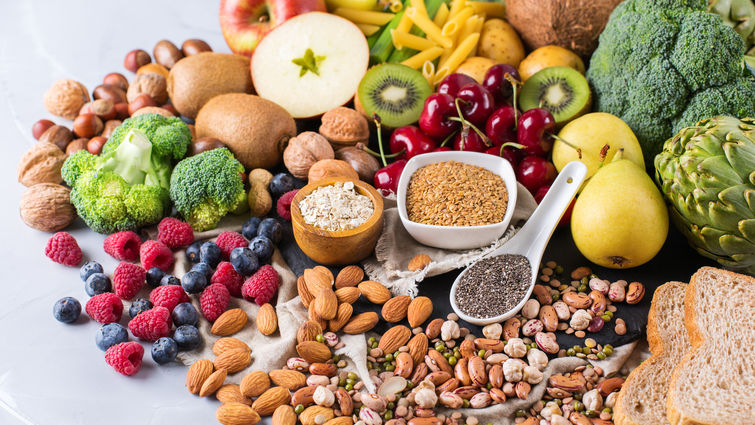
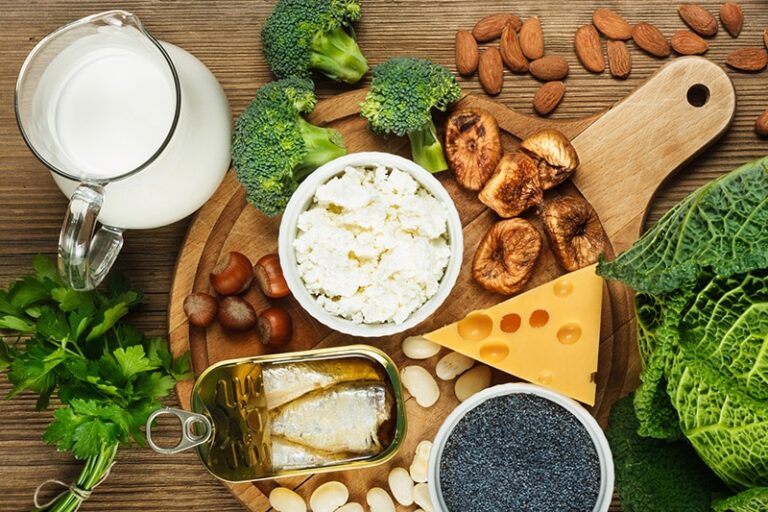
In an era of constant germ exposure and seasonal illnesses, parents naturally seek ways to strengthen their children’s immune defenses. While supplements have their place, the most powerful immune support comes from a foundation of nutrient-dense foods working in synergy. This comprehensive guide moves beyond simple “eat your oranges” advice to explore the science of nutritional immunology, offering practical strategies to build your child’s immune resilience through everyday eating.
Section 1: Understanding Pediatric Immune Development
The Unique Nature of Childhood Immunity
Immature System: A child’s immune system isn’t fully developed until adolescence
Training Ground: Each exposure to pathogens helps “educate” immune cells
Critical Windows: First 2-3 years establish gut microbiome foundations
Nutritional Dependence: Rapid growth increases demand for immune-supporting nutrients
The Gut-Immune Connection
70% Rule: Approximately 70% of immune cells reside in the gut
Microbiome Influence: A diverse gut flora reduces inflammation and pathogens
Barrier Function: Nutrients strengthen the intestinal lining, preventing “leaky gut”
Section 2: The Immune-Boosting Food Framework
Category 1: Protein Powerhouses – The Building Blocks
Why Protein Matters:
Antibodies and immune cells are made of protein
Amino acids like glutamine fuel immune cell function
Zinc (often protein-bound) is crucial for immune cell development
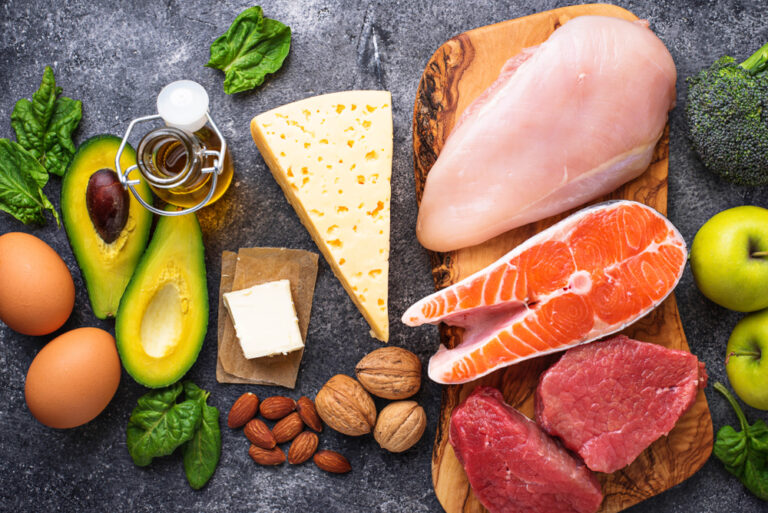
Top Sources for Kids:
Greek Yogurt (plain, full-fat):
Serving: ½ cup for toddlers, ¾ cup for older children
Immune Benefits: Probiotics + protein + zinc
Kid-Friendly Tip: Mix with mashed berries and a drizzle of honey (over 1 year)
Eggs (especially yolks):
Nutrients: Selenium, zinc, vitamins A, D, B12
Bioavailability: Egg protein is 97% absorbable
Preparation: Soft-boiled, scrambled, or in French toast
Lentils and Chickpeas:
Bonus: Fiber feeds beneficial gut bacteria
For Picky Eaters: Blend into sauces, make lentil “meatballs,” hummus
Chicken (bone broth advantage):
Homemade Bone Broth: Contains gelatin, glycine, minerals
Science: Chicken soup actually has mild anti-inflammatory properties
Recipe: Simmer carcass with vegetables for 12-24 hours
Category 2: Colorful Fruits & Vegetables – The Phytochemical Arsenal
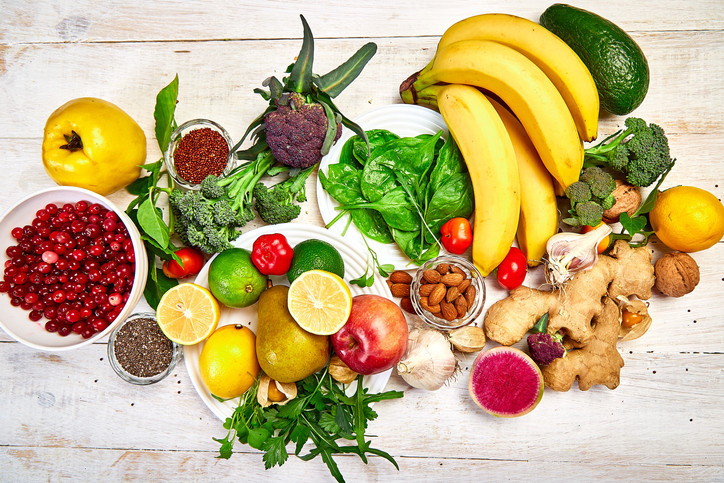
The Rainbow Strategy:
Each color represents different immune-supporting compounds:
Orange/Yellow (Beta-carotene → Vitamin A):
Sweet Potatoes: ½ cup cooked = 184% DV vitamin A for toddlers
Butternut Squash: Roast with cinnamon
Carrots: Serve raw with hummus or roasted
Function: Maintains mucosal barriers (gut, respiratory tract)
Red (Lycopene & Anthocyanins):
Tomatoes (cooked): Lycopene increases with cooking
Watermelon: Hydrating + antioxidant
Red Bell Peppers: 3x more vitamin C than oranges by weight
Berries: Frozen are equally nutritious; add to smoothies, oatmeal
Green (Sulforaphane & Folate):
Broccoli: Contains sulforaphane (activates antioxidant genes)
Spinach: Best lightly cooked to increase iron absorption
Peas: Sweet, familiar, packed with zinc
Kiwi: Surprisingly high in vitamin C and fiber
Purple/Blue (Anthocyanins):
Blueberries: Support anti-viral signaling pathways
Purple Cabbage: Ferment into kid-friendly sauerkraut
Beets: Roast to caramelize natural sugars
Category 3: Healthy Fats – The Anti-Inflammatory Foundation
Omega-3 Fatty Acids:
Function: Reduce excessive inflammation, support immune cell membranes
Sources:
Wild Salmon: 2 oz serving for toddlers, 3-4 oz for older kids
Sardines: Mash into pasta sauce (bones provide calcium)
Chia Seeds: Soak in milk for pudding
Walnuts: Grind into oatmeal or yogurt
Balance: Maintain healthy omega-3 to omega-6 ratio
Monounsaturated Fats:
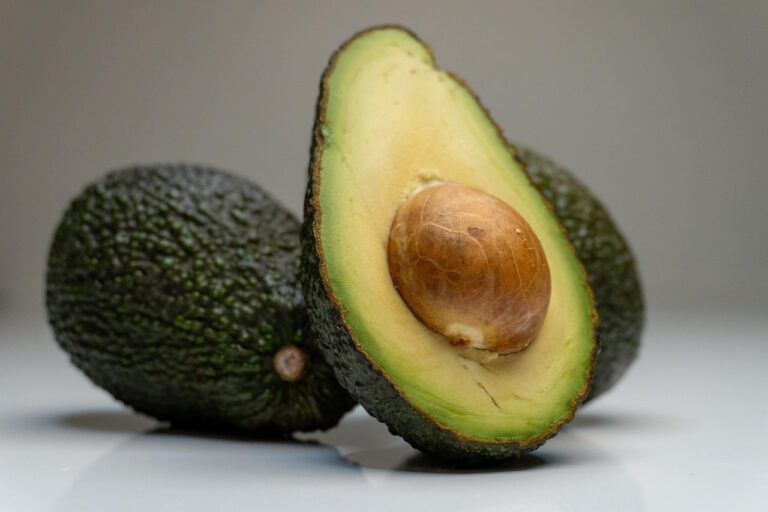
Avocado: Spread on toast, blend into smoothies
Olive Oil: Use in dressings, drizzle on vegetables
Saturated Fats (in moderation):
Category 4: Fermented Foods – The Probiotic Advantage
Building Gut Diversity:
Diversity Matters: Aim for different strains from different foods
Start Small: 1 teaspoon daily, gradually increasing
Kid-Friendly Options:
Yogurt & Kefir: Choose plain, add fruit puree
Sauerkraut (raw): Start with ½ teaspoon mixed into food
Miso: Add small amounts to soups
Fermented Pickles: Look for “live culture” on label
Tempeh: Marinate and bake into “fingers”
Category 5: Key Micronutrients – The Immune Specifics
Vitamin D:
Role: Regulates both innate and adaptive immunity
Food Sources: Fatty fish, fortified dairy, egg yolks
Reality Check: Difficult to get enough from food alone
Recommendation: Discuss supplementation with pediatrician
Zinc:
Role: Crucial for immune cell development and function
Food Sources: Pumpkin seeds, chickpeas, cashews, beef
Tip: Soak nuts/seeds to improve mineral absorption
Vitamin C:
Beyond Oranges: Bell peppers, strawberries, broccoli, kiwi
Timing: Serve vitamin C-rich foods with iron sources to enhance absorption
Iron:
Heme Sources: Red meat, poultry (more absorbable)
Non-heme: Lentils, spinach, fortified cereals (pair with vitamin C)
Caution: Excessive iron can feed pathogens
Section 3: Age-Specific Immune Nutrition
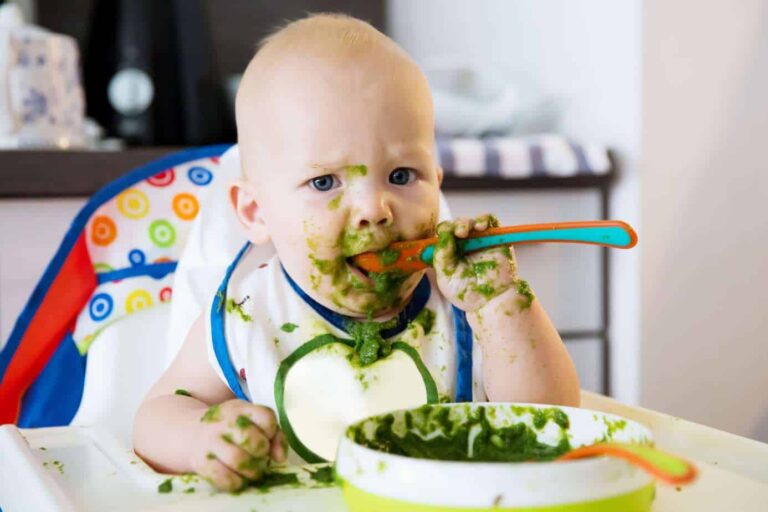
Infants (6-12 months):
Breastmilk: Antibodies, prebiotics (HMOs), perfect nutrition
First Foods: Mashed avocado, sweet potato, banana, iron-fortified cereal
Introduction Strategy: One new food every 3-4 days
Avoid: Honey (under 1), choking hazards, excessive salt/sugar
Toddlers (1-3 years):
Challenges: Neophobia (fear of new foods), erratic appetite
Strategies:
“Food bridges” (similar colors/textures to accepted foods)
Involvement in preparation (washing vegetables)
Repeated exposure (10-15 times may be needed)
Portion Size: 1 tablespoon per year of age per food group
School-Age Children (4-12 years):
Increased Needs: More calories, zinc, protein for growth
Lunchbox Strategy: Include protein + vegetable + fruit + healthy fat
Immune Challenges: School exposure, sleep changes, stress
Involvement: Grocery shopping, recipe selection
Section 4: Practical Meal Planning for Immune Support
Sample Day for a 4-8 Year Old:
Breakfast (7-8 AM):
Scrambled eggs with spinach
Whole grain toast with avocado
½ cup berries
Water or small glass of milk
Morning Snack (10 AM):
Lunch (12-1 PM):
Afternoon Snack (3-4 PM):
Smoothie: spinach, banana, mango, Greek yogurt, chia seeds
Dinner (6-7 PM):
Bedtime (1 hour before bed):
Immune-Boosting Recipes Kids Actually Eat:
“Powerball” Snacks:
Mix: 1 cup oats, ½ cup nut butter, ⅓ cup honey, ¼ cup ground flax, ¼ cup mini chocolate chips
Roll into balls, refrigerate
Contains: Zinc, omega-3s, fiber
“Sneaky” Veggie Pasta Sauce:
Sauté onions, garlic, carrots, zucchini
Blend with tomatoes, basil
Add to pasta with ground turkey or lentils
Immunity Smoothie Popsicles:
“Build-Your-Own” Taco/Nachos:
Ground beef or black beans
Whole grain chips or tortillas
Toppings: avocado, tomatoes, purple cabbage, plain yogurt
Section 5: What to Limit or Avoid
Immune-Suppressing Foods:
Excessive Added Sugars:
Mechanism: Competes with vitamin C for transport, reduces white blood cell function
Limit: <25g daily (6 teaspoons)
Hidden Sources: Yogurt, cereal, sauces, juice
Artificial Food Dyes:
Concern: May increase inflammatory responses in sensitive children
Alternatives: Use natural colorings (turmeric, beet powder, spinach)
Trans Fats & Processed Oils:
Excessive Juice:
Issue: Sugar without fiber, fills up small stomachs
Recommendation: 4 oz maximum daily, preferably diluted
Balanced Approach:
No perfect diets: Occasional treats are fine
80/20 Rule: 80% nutrient-dense foods, 20% flexibility
Avoid food battles: Stress negatively impacts immunity
Section 6: Beyond Food – Holistic Immune Support
Synergistic Lifestyle Factors:
Adequate Sleep:
Melatonin: Produced during sleep, regulates immunity
Requirements: 10-13 hours (preschool), 9-11 hours (school-age)
Physical Activity:
Moderate exercise: Increases circulation of immune cells
Outdoor time: Vitamin D synthesis, microbiome diversity
Stress Management:
Cortisol: Chronic stress suppresses immune function
Tools: Play, creativity, routines, connection
Hygiene Balance:
Clean but not sterile: Some exposure builds immunity
Handwashing: Before meals, after bathroom
Avoid: Antibacterial overuse
When Illness Strikes:
Hydration Focus: Bone broth, herbal teas, water-rich fruits
Appetite Changes: Respect reduced appetite, focus on nutrient density
BRAT Diet Update: Bananas, rice, applesauce, toast – add protein when possible
Probiotic Boost: Yogurt, kefir during and after antibiotics
Section 7: Red Flags and When to Seek Help
Signs of Potential Immune Issues:
8+ ear infections per year
2+ pneumonias in a year
Failure to gain weight appropriately
Chronic diarrhea with weight loss
Recurrent deep skin or organ abscesses
Working with Healthcare Providers:
Regular check-ups and growth monitoring
Vaccine adherence (trained immune response)
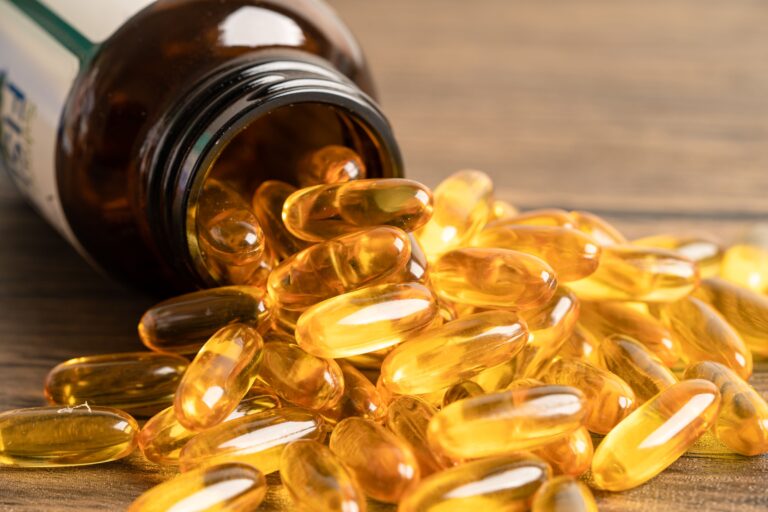
Supplement guidance: Vitamin D, omega-3s if needed
Allergy testing if suspected food sensitivities
Conclusion: Cultivating Lifelong Resilience
Building a child’s immune system through nutrition is less about “boosting” and more about providing foundational support for a complex, developing system. The goal isn’t to prevent every sniffle (some exposure is beneficial) but to ensure that when challenges come, their bodies have the resources to respond effectively and recover efficiently.
The most powerful approach combines:
Consistency over perfection: Regular exposure to diverse, nutrient-dense foods
Modeling behavior: Children mimic eating habits
Positive associations: Joyful mealtimes, exploration without pressure
Patience: Taste preferences evolve over time
Remember that every child is unique—genetics, environment, and individual differences all play roles. What works for one may need adjustment for another. The journey of nourishing a child’s immunity is ongoing, evolving as they grow from toddlers to teens.
By focusing on whole foods, variety, and balance—and pairing nutritional support with adequate sleep, activity, and love—you’re not just building temporary defenses. You’re establishing patterns and preferences that can support their health for decades to come, giving them the resilience to thrive in whatever world they encounter.